

Boninsturmvogel
Pterodroma hypoleuca
Shearwaters and Petrels (Procellariidae) · Procellariiformes · Sturmvögel
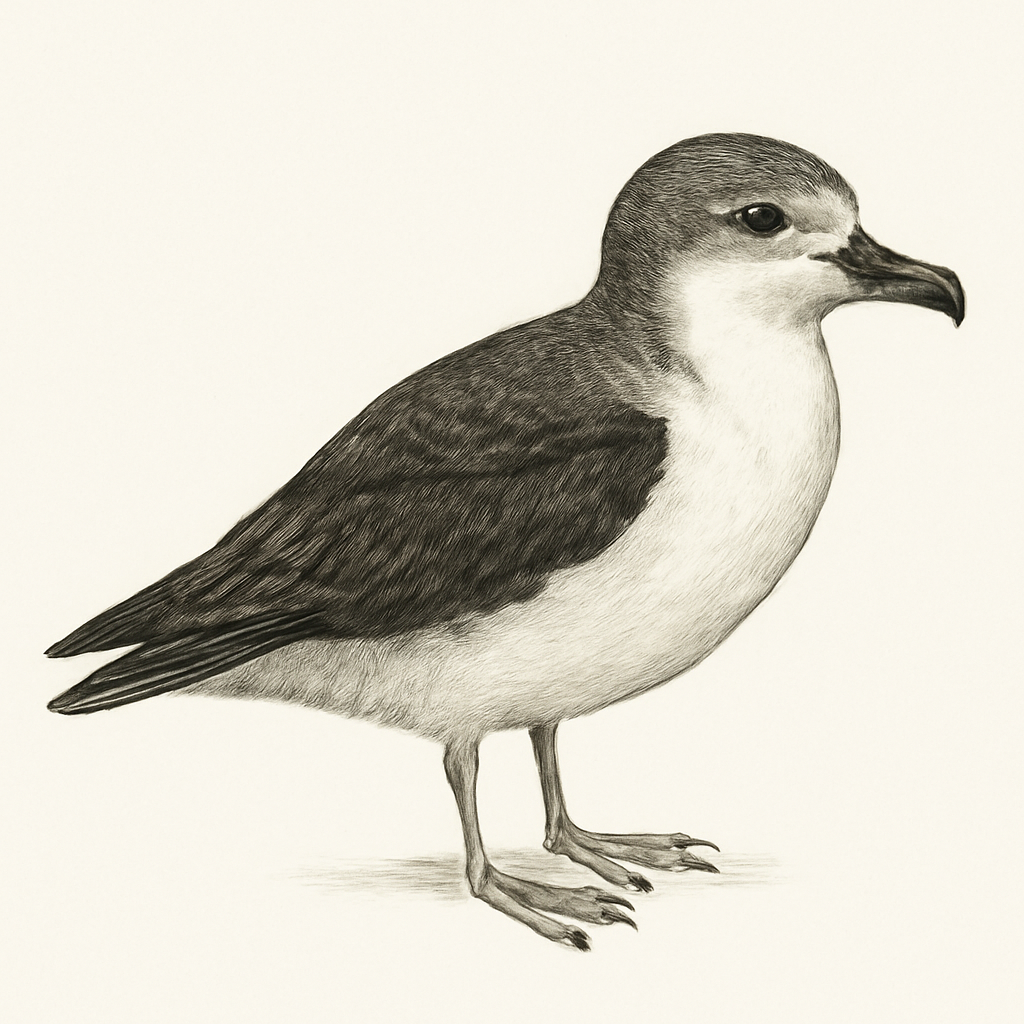
Ein Quiz mit Boninsturmvogel und ähnlichen Arten spielen
Alle Fotos, Videos und Töne ansehen
Prüfung nötig
Motmot ist ein Community-Projekt, und viele Fotos brauchen noch eine menschliche Prüfung. Wenn du diesen Vogel kennst, kannst du die Bilder prüfen.

O-o, unsere KI-Credits sind alle. Ich entwickle Motmot in meiner Freizeit, und es gibt gerade keine Finanzierung. Wenn du helfen möchtest, dass es wächst, schreib mir an info@motmot.club.
So bestimmst du Boninsturmvogel
Bestimmungshinweise werden geschrieben…
Dafür werden Bestimmungshinweise aus offenen Quellen gesucht und vom Modell zu einem Text verarbeitet. Das kann eine Minute dauern.
Melde dich an, um Bestimmungshinweise für diesen Vogel zu erstellen.
Oft verwechselt mit
In Quiz verwechseln Spieler Boninsturmvogel am häufigsten mit diesen Vögeln—entweder wurde diese Art irrtümlich gewählt oder umgekehrt.
| Arten | Verwechslungen |
|---|---|
| Bulwersturmvogel Bulweria bulwerii | 6 |
| Hawaiisturmvogel Pterodroma sandwichensis | 5 |
| Tristramwellenläufer Hydrobates tristrami | 3 |
| Teufelssturmvogel Pterodroma hasitata | 3 |
| Weißgesicht-Sturmtaucher Calonectris leucomelas | 3 |
Familie
The family Procellariidae is a group of seabirds that comprises the fulmarine petrels, the gadfly petrels, the diving petrels, the prions, and the shearwaters. This family is part of the bird order Procellariiformes (or tubenoses), which also includes the albatrosses and the storm petrels. The procellariids are the most numerous family of tubenoses, and the most diverse.
Ordnung
Procellariiformes is an order of seabirds that comprises four families; the albatrosses, the petrels and shearwaters, and two families of storm petrels. Formerly called Tubinares and still called tubenoses in English, Procellariiformes are often referred to collectively as the petrels, a term that has been applied to all members of the order, or more commonly all the families except the albatrosses. They are almost exclusively pelagic (feeding in the open ocean), and have a cosmopolitan distribution across the world's oceans, …