

Paíño de Swinhoe
Hydrobates monorhis
Northern Storm-Petrels (Hydrobatidae) · Procellariiformes · Paíños
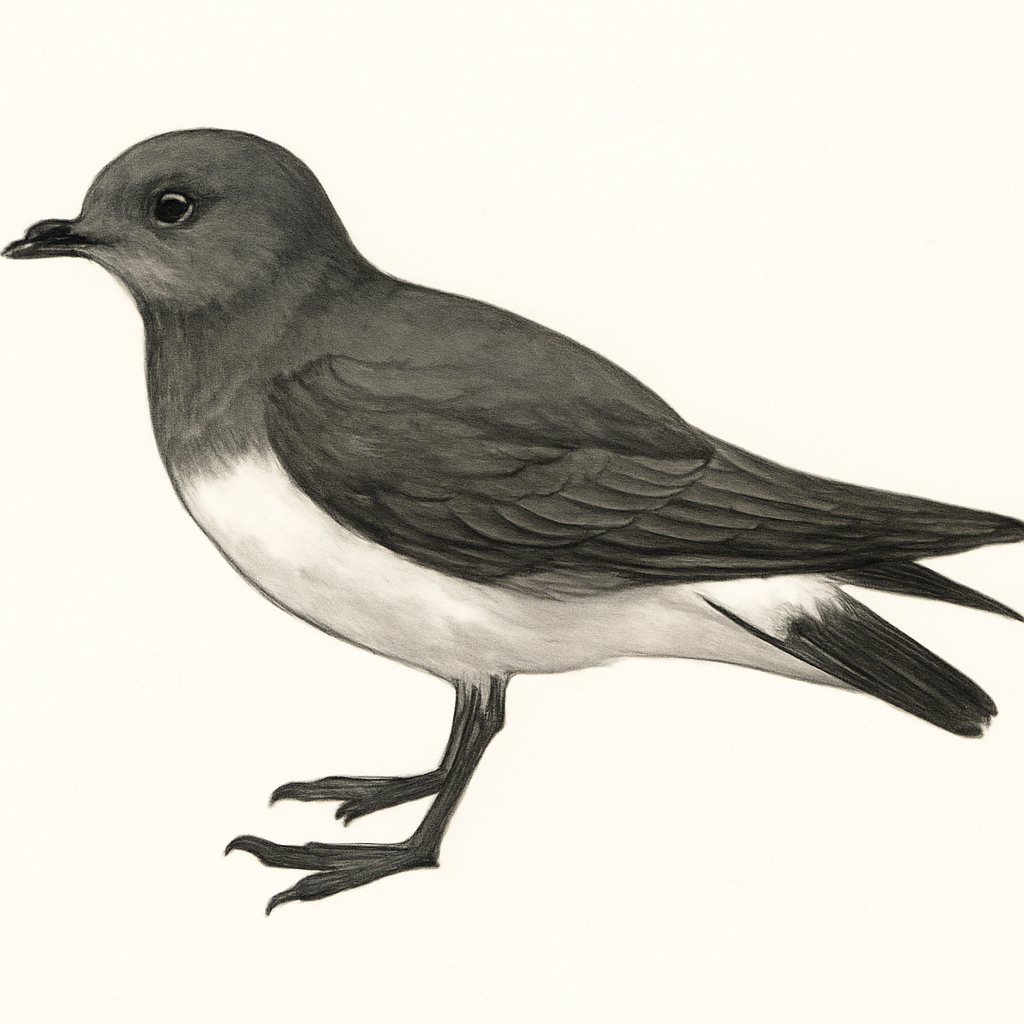
Juega un quiz con Paíño de Swinhoe y especies parecidas
Ver todas las fotos, vídeo y sonido
Revisión necesaria
Motmot es un proyecto de comunidad, y muchas fotos aún necesitan un visto humano. Si conoces esta ave, puedes ayudar revisando sus imágenes.

O-o, se nos acabaron los créditos de IA. Desarrollo Motmot en mi tiempo libre, y ahora mismo no hay financiación. Si te apetece ayudar a que crezca, escríbeme a info@motmot.club.
Cómo identificar Paíño de Swinhoe
Escribiendo las notas de identificación…
Busca notas de identificación en fuentes abiertas y luego pide al modelo que las redacte. Puede tardar un minuto.
Inicia sesión para generar notas de identificación de esta ave.
A menudo se confunde con
En los quizzes, los jugadores suelen confundir Paíño de Swinhoe con estas aves: o se eligió esta especie por error, o al revés.
| Especies | Confusiones |
|---|---|
| Paíño Boreal Hydrobates leucorhous | 23 |
| Paíño de Wilson Oceanites oceanicus | 10 |
| Paíño de Madeira Hydrobates castro | 9 |
| Petrel de Bulwer Bulweria bulwerii | 9 |
| Paíño Europeo Hydrobates pelagicus | 8 |
Familia
Northern storm petrels are seabirds in the genus Hydrobates in the family Hydrobatidae, part of the order Procellariiformes. The family was once lumped with the similar austral storm petrels in the combined storm petrels, but have been split, as they are not closely related. These smallest of seabirds feed on planktonic crustaceans and small fish picked from the surface, typically while hovering.
Orden
Procellariiformes is an order of seabirds that comprises four families; the albatrosses, the petrels and shearwaters, and two families of storm petrels. Formerly called Tubinares and still called tubenoses in English, Procellariiformes are often referred to collectively as the petrels, a term that has been applied to all members of the order, or more commonly all the families except the albatrosses. They are almost exclusively pelagic (feeding in the open ocean), and have a cosmopolitan distribution across the world's oceans, …