

Huet-Huet Gorjicastaño vs Huet-Huet Gorjinegro
Pteroptochos castaneus frente a Pteroptochos tarnii
Juega un quiz con Huet-Huet Gorjicastaño y Huet-Huet Gorjinegro
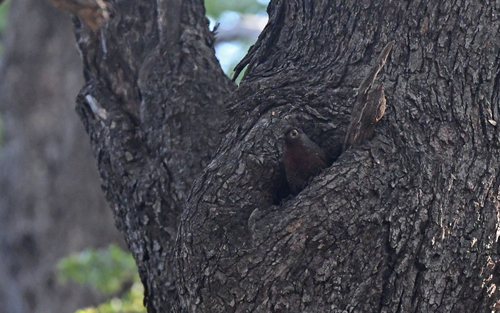 Huet-Huet Gorjicastaño
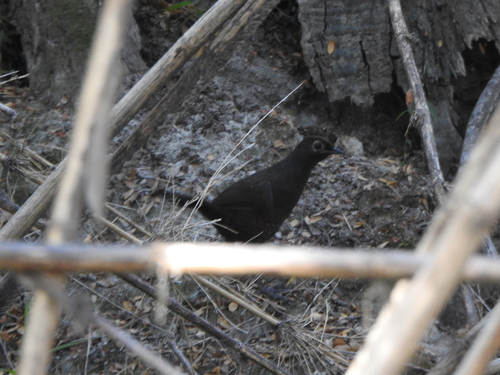 Huet-Huet Gorjinegro
En breve
The most reliable way to separate Chestnut-throated from Black-throated Huet-huet is by throat color and the presence or absence of a pale buff wing bar. Chestnut-throated shows a dark red (chestnut) throat and a distinct pale buff bar on the wing, while Black-throated has a black throat and lacks the wing bar. Both are large, stocky tapaculos with similar dark brown plumage and overall structure, so careful attention to these plumage details is essential. Size and structure are broadly similar, but Chestnut-throated averages slightly heavier. Age-specific wing patterns are not described in available sources, so focus on adult plumage for field separation.
Consejos de identificación
- Throat color is the most reliable mark: Chestnut-throated Huet-huet has a dark red (chestnut) throat, while Black-throated Huet-huet shows a black throat. Always try to get a clear view of the throat, especially in good light.
- Pale buff wing bar: Chestnut-throated shows a distinct pale buff bar on the wing, visible when perched or in flight. Black-throated lacks this wing bar entirely. This is a critical mark if the throat is obscured.
- Overall plumage: Both are dark brown and stocky, so overall color and shape are not useful for separation.
- Size: Chestnut-throated is slightly heavier (165g vs. 144g) but this is not obvious in the field unless birds are side by side.
- No age-specific upperwing pattern described: There are no known juvenile or immature-specific wing or flight marks to use; the throat and wing bar marks apply to all ages.
- No sexual dimorphism noted: Both sexes appear similar in both species, so do not rely on sex for identification.
- Behavior: Both species behave similarly, moving low in dense undergrowth and rarely perching in the open. Behavior is not a useful separator.
- Habitat overlap: Both species occur in temperate forests of southern/central Chile and western Argentina; do not use habitat alone to separate them.
- Voice: No vocal differences are provided in the sources; do not rely on song or call for separation in this context.
- Lighting and angle: Throat color can look darker or lighter depending on light; always try for multiple views to confirm chestnut vs. black.
- Partial views: If only the wing is visible, look for the pale buff bar for Chestnut-throated; if absent, consider Black-throated but confirm with throat if possible.
- Confusion risk: In poor light or dense cover, both species can appear uniformly dark; patience and persistence are needed for a diagnostic view.
- Historical confusion: These species were once considered conspecific due to their similarity; only molecular work confirmed their separation, so field separation relies on subtle but consistent plumage marks.
- Quiz pitfalls: Most quiz mix-ups occur when the throat is not visible or the wing bar is overlooked; always check both features if possible.
- Summary for the field: Prioritize throat color and wing bar, and do not rely on size, behavior, or habitat for separation.
Tamaño
Both species are among the largest rhinocryptids, but Chestnut-throated Huet-huet is marginally heavier (average mass 165g) compared to Black-throated (144g) [wikipedia][wikidata]. Both are stocky and about 23 cm in length. In the field, this size difference is subtle and unlikely to be diagnostic unless birds are seen side by side.
Plumaje
Adult Chestnut-throated Huet-huet is dark brown overall with a distinctive dark red (chestnut) throat and a pale buff bar on the wing. The Black-throated Huet-huet is also dark brown but has a black throat and lacks the pale buff wing bar. These throat and wing features are the key field marks. No age-specific or seasonal variation in upperwing pattern is described for either species, so these contrasts apply to all observed ages unless otherwise noted. Both species otherwise share a similar dark, earthy appearance, which can make them challenging to separate without a clear view of the throat or wing.
Comportamiento
Both species are large, ground-dwelling tapaculos with similar behavior: they skulk in dense undergrowth and are rarely seen in the open. Their movement and posture are stocky and low to the ground. No behavioral differences useful for field separation are described in the available sources.
Hábitat
Both species inhabit temperate forests in southern/central Chile and adjacent western Argentina. There is no strong habitat separation between them based on current sources; both are found in similar forested environments.
Huet-Huet Gorjicastaño · Huet-Huet Gorjinegro · Mis aves difíciles