
Ruiseñor Común vs Colirrojo Real
Luscinia megarhynchos frente a Phoenicurus phoenicurus
Juega un quiz con Ruiseñor Común y Colirrojo Real
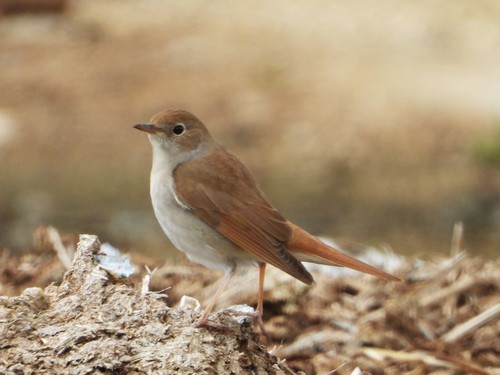 Ruiseñor Común
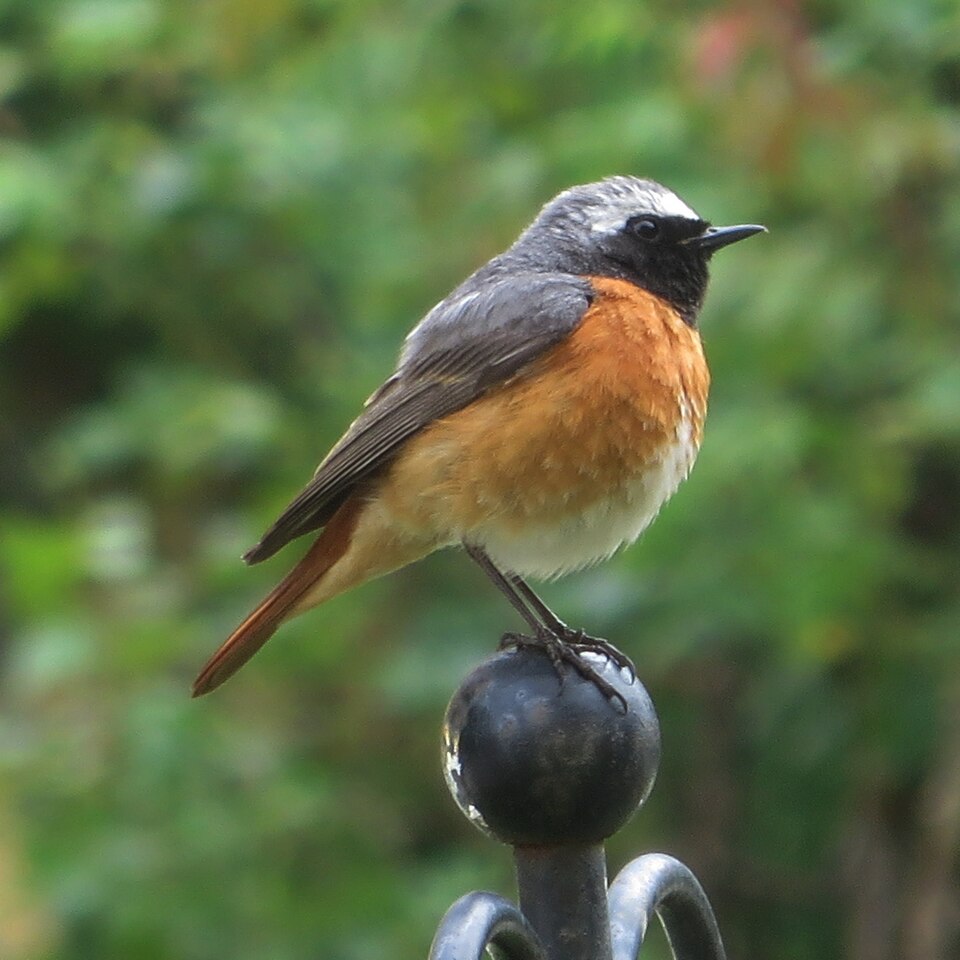 Colirrojo Real
En breve
La marca de campo más confiable para separar el Ruiseñor Común del Colirrojo Real es la presencia de una notable mancha alar pálida en los machos (y algunas hembras) de Colirrojo, especialmente visible en vuelo o cuando están posados con las alas cerradas; los Ruiseñores nunca muestran esto. Si ves un pájaro marrón simple con una cola rufo y sin panel alar, probablemente tengas un Ruiseñor. Los Colirrojos, especialmente los machos adultos, son mucho más coloridos en general, con una cola naranja-roja llamativa, partes superiores gris pizarra contrastantes y cara negra. Las hembras y los inmaduros de ambas especies pueden ser confusos, pero la cola del Colirrojo es más brillante y se agita con más frecuencia, e incluso los Colirrojos apagados a menudo muestran un indicio del panel alar pálido. Los Ruiseñores son marrones simples por encima y color crema por debajo, sin contrastes fuertes ni marcas alares.
Consejos de identificación
- Busca una mancha alar pálida: Los machos adultos de Colirrojo Real (especialmente la subespecie del sureste) muestran una prominente mancha alar pálida a blanquecina, visible en vuelo y a menudo cuando están posados. Algunos machos inmaduros e incluso algunas hembras muestran una versión tenue. Los Ruiseñores nunca muestran una mancha alar a ninguna edad.
- Color y comportamiento de la cola: Ambas especies tienen colas rojizas, pero la del Colirrojo es de un naranja-rojo más brillante y se agita frecuentemente hacia arriba y hacia abajo. Las colas de los Ruiseñores son rufas pero no tan vívidas, y el agitar la cola es raro.
- Coloración general: Los machos de Colirrojo son strikingly coloridos con una cabeza gris pizarra, frente blanca, cara/garganta negra y flancos naranjas. Los Ruiseñores son marrones simples por encima y color crema a blanco por debajo, sin contrastes fuertes.
- Patrón facial: Los machos de Colirrojo tienen una frente blanca y cara negra. Los Ruiseñores tienen una cara simple, aunque algunas subespecies del este muestran un tenue supercilio pálido.
- Confusión hembra/inmaduro: Las hembras de Colirrojo son marrón grisáceo por encima, a menudo con un indicio de una mancha alar pálida y a veces un babero de garganta oscuro. Las hembras de Ruiseñor son más simples, sin mancha alar ni babero.
- Color de las partes inferiores: Los Colirrojos muestran naranja en los flancos y un vientre más pálido; los Ruiseñores son color crema a blanco por debajo, con poco contraste.
- Pico y estructura: Ambas especies tienen picos delgados similares, pero los Colirrojos son más esbeltos y más erguidos en postura, mientras que los Ruiseñores son más robustos y más horizontales.
- Contexto del hábitat: Los Ruiseñores están casi siempre en vegetación densa y enredada; los Colirrojos son más propensos a estar en bosques abiertos, parques o jardines.
- Canto: El canto del Ruiseñor es fuerte, rico y complejo, a menudo por la noche y desde un refugio. El canto del Colirrojo es más suave, más corto y más melancólico, generalmente desde un posadero visible.
- Notas de llamada: Las llamadas de los Colirrojos son notas ascendentes 'huid' o monosilábicas 'heed', a veces con alarmas de clic. Las llamadas de los Ruiseñores son menos distintivas y rara vez se escuchan en comparación con su canto.
- Apariencia estacional: En otoño, los machos de Colirrojo pueden parecer más apagados pero retienen la cola naranja y (en algunos) la mancha alar pálida. Los Ruiseñores permanecen simples.
- Jizz: Los Colirrojos a menudo se posan erguidos y saltan para atrapar insectos; los Ruiseñores se esconden bajos en la densa cobertura.
- Vistas de vuelo: En vuelo, los Colirrojos pueden mostrar el panel alar pálido (si está presente) y la cola brillante; los Ruiseñores muestran alas marrones simples y una cola rufa.
- Superposición de rangos: Ambas especies pueden ocurrir juntas en partes de Europa, pero el Ruiseñor es más del sur y está ligado a matorrales densos, mientras que el Colirrojo es común en bosques abiertos.
- Trampas: Los Colirrojos inmaduros que carecen de una mancha alar clara pueden confundirse con los Ruiseñores, pero busca la cola más brillante, la postura erguida y el hábitat. Los Ruiseñores nunca muestran una mancha alar pálida ni un patrón facial fuerte.
Tamaño
Ambas especies son similares en longitud, pero el Ruiseñor Común es ligeramente más grande (15–16.5 cm) que el Colirrojo Real (13–14.5 cm) [wikipedia]. El Ruiseñor también es un poco más pesado y robusto, mientras que el Colirrojo es más esbelto y ligero [wikipedia][avonet]. En el campo, esta diferencia es sutil y rara vez diagnóstica a menos que ambos se vean uno al lado del otro.
Plumaje
- Aves juveniles/inmaduros: La marca más diagnóstica es la mancha alar pálida a blanquecina en el Colirrojo Real, presente en machos adultos, algunos machos inmaduros y ocasionalmente hembras (especialmente en la subespecie del sureste). Los Ruiseñores de todas las edades carecen de cualquier panel alar pálido y son marrones simples por encima con una cola rojiza.
- Machos adultos (cría): Los machos de Colirrojo son inconfundibles con una cabeza y partes superiores gris pizarra, frente blanca, cara y garganta negras, cola y flancos naranja-castaño, y un vientre pálido. La mancha alar pálida es prominente en la subespecie del sureste y visible en algunos machos nominados. Los Ruiseñores son marrones simples por encima, con una cola rufa y partes inferiores de color crema a blanco, careciendo de cualquier contraste facial o alar fuerte.
- Hemeras y aves no reproductoras: Las hembras de Colirrojo son marrón grisáceo por encima, color crema-blanco o naranja claro por debajo, a veces con una mancha alar tenue y ocasionalmente un babero de garganta oscuro. Las hembras de Ruiseñor son más simples, uniformemente marrones por encima y color crema por debajo, sin mancha alar ni babero. Ambos sexos de Ruiseñor son similares. En otoño, los machos de Colirrojo pueden parecer más apagados debido a los bordes de plumas pálidas, pero la cola permanece brillante.
Comportamiento
Los Colirrojos a menudo se alimentan haciendo cortos saltos desde un posadero para atrapar insectos, agitando frecuentemente sus colas naranja-rojas, un comportamiento mucho menos común en los Ruiseñores. Los Ruiseñores son más terrestres, moviéndose a través de la densa maleza, y son menos propensos a ser vistos cazando en el aire. Ambas especies pueden ser secretivas, pero los Colirrojos son más propensos a posarse a la vista, especialmente los machos durante la temporada de cría.
Hábitat
Los Ruiseñores prefieren matorrales densos, matorrales y bosques bajos, a menudo cerca del agua, y rara vez se ven en espacios abiertos. En el Reino Unido, se encuentran más a menudo en hábitats de matorrales y matorrales de baja altitud. Los Colirrojos son más versátiles, criando en bosques abiertos, bordes, parques y jardines, a menudo utilizando cajas nido o agujeros en árboles. Si ves un pájaro en una densa y enredada maleza, es más probable que sea un Ruiseñor; en un bosque abierto o parque, es más probable que sea un Colirrojo.
Voz
El Ruiseñor es famoso por su canto rico, poderoso y variado, a menudo entregado desde una cobertura profunda y por la noche. El canto del Colirrojo es más suave, más corto y más melancólico, con una estructura distintiva de tres partes. Las llamadas de los Colirrojos son notas ascendentes 'huid' o monosilábicas 'heed', a veces combinadas con alarmas de clic, mientras que las llamadas de los Ruiseñores son menos distintivas en el campo. Si escuchas un canto notable, que se lleva lejos, complejo desde una cobertura profunda, sospecha de un Ruiseñor; si el canto es más suave y el pájaro es visible, sospecha de un Colirrojo.