

Titirijí Pechigrís vs Titirijí Perlado
Hemitriccus diops frente a Hemitriccus margaritaceiventer
Juega un quiz con Titirijí Pechigrís y Titirijí Perlado
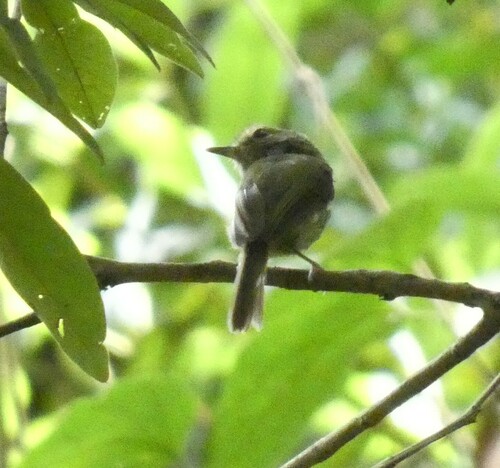 Titirijí Pechigrís
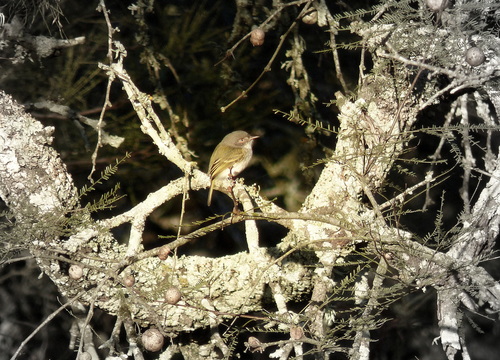 Titirijí Perlado
En breve
La marca de campo más confiable para separar el Titirijí Pechigrís del Titirijí Perlado es la presencia de barras de alas audaces y una parte inferior mucho más pálida y blanca en este último, frente a las alas lisas de tono oliva y el pecho grisáceo-rosado apagado del primero. Ambos son pequeños tiránidos de tonos oliva a marrón, pero el Titirijí Pechigrís es más simple en general, con una corona de oliva más oscura y poco contraste, mientras que el Titirijí Perlado muestra una corona grisácea, dos barras de alas claras y un vientre más blanco. En el campo, busca las diferencias sutiles pero diagnósticas en el patrón de las alas y el color de la parte inferior, especialmente cuando los pájaros están posados o parpadean brevemente sus alas. Ambas especies se superponen en partes del sur de América del Sur, por lo que prestar atención cuidadosa a estos detalles del plumaje es esencial.
Consejos de identificación
- El patrón de las alas es clave: El Titirijí Perlado siempre muestra dos barras de alas pálidas en alas oscuras, visibles incluso a distancia o en breves parpadeos de alas; las alas del Titirijí Pechigrís son lisas de oliva con, como máximo, un leve borde pálido en las secundarias más internas, nunca verdaderas barras de alas. Esta es la marca más confiable en todas las edades y estaciones.
- Color de la corona: El Titirijí Pechigrís tiene una corona de verde oliva oscuro que se mezcla con la espalda; el Titirijí Perlado tiene una corona gris (o gris marrón en algunas subespecies) que contrasta con la espalda, especialmente en las formas nominadas y del norte.
- Partes inferiores: El Titirijí Pechigrís tiene un pecho gris apagado con un matiz rosado o purpúreo y un leve arco blanco que lo separa del vientre blanquecino; el Titirijí Perlado es mucho más blanco por debajo, con solo un leve veteado grisáceo y sin lavado rosado.
- Patrón facial: Ambos tienen un anillo ocular blanco y lore pálido, pero la cara del Titirijí Pechigrís es oliva en general, mientras que la cara del Titirijí Perlado es más gris y contrastante, especialmente alrededor del ojo.
- Espalda y rabadilla: El Titirijí Pechigrís es de un verde oliva oscuro liso por encima; el Titirijí Perlado es de un marrón grisáceo a oliva marrón, a veces con un leve matiz oliva o beige dependiendo de la subespecie, pero siempre menos uniformemente oliva que el Titirijí Pechigrís.
- Color de la cola: Ambos tienen colas oscuras u olivas, pero esto no es un fuerte separador.
- Pico y patas: Ambos tienen un mandíbula inferior pálida y patas grisáceas a rosadas, no es una marca de campo confiable.
- Color del iris: El Titirijí Pechigrís tiene un iris marrón rojizo; el Titirijí Perlado tiene un iris pálido. Esto puede ayudar a corta distancia en buena luz.
- Tamaño: Ambos son diminutos, pero el Titirijí Pechigrís promedia ligeramente más pesado (10 g frente a 7–10 g), no útil en el campo.
- Contexto del hábitat: En bambú o denso sotobosque, sospecha del Titirijí Pechigrís; en matorrales abiertos, pastizales o bordes de bosques, es más probable que se encuentre el Titirijí Perlado, pero los rangos se superponen en el sur de Brasil, Argentina y Paraguay.
- Variación de subespecies: El Titirijí Perlado tiene varias subespecies con diferencias menores en el plumaje (por ejemplo, color de la corona y el vientre), pero todas muestran barras de alas y un vientre más pálido que el Titirijí Pechigrís.
- Sin diferencias estacionales o sexuales fuertes: Ambas especies tienen plumaje similar durante todo el año y entre sexos, por lo que todas las marcas se aplican en todas las estaciones.
- Plumaje juvenil/inmaduro: No se describen patrones de alas o vuelo juveniles distintivos para ninguna de las especies, así que confía en las marcas de los adultos para todas las edades.
- Voz: No se describe en las fuentes, por lo que no es un separador seguro aquí.
- Trampas: El Titirijí Pechigrís puede parecer ligeramente más pálido por debajo en luz brillante, pero nunca muestra verdaderas barras de alas o una corona gris; el Titirijí Perlado puede verse más apagado en plumaje desgastado, pero siempre retiene algo de contraste en las alas y partes inferiores.
Tamaño
Ambas especies son pequeños atrapamoscas, con el Titirijí Pechigrís promediando aproximadamente 11 cm de longitud y 10 g de masa, y el Titirijí Perlado muy similar en longitud (10–11 cm) pero ligeramente más ligero (7–10 g). En mano o a corta distancia, el Titirijí Pechigrís puede parecer marginalmente más robusto, pero esta no es una marca de campo confiable; ambos están entre los atrapamoscas tiranos más pequeños y la superposición de tamaño es extensa.
Plumaje
No se describen patrones de alas específicos por edad para ninguna de las especies, por lo que el enfoque está en el plumaje adulto y general. El Titirijí Pechigrís es muy simple: la corona, la espalda, las alas y la cola son de un verde oliva oscuro con poco contraste, y las alas carecen de barras o paneles obvios, aunque las secundarias más internas pueden tener bordes pálidos leves. La cara tiene una mancha blanca sobre los lóbulos y un anillo ocular blanco, pero por lo demás es oliva. La garganta y el pecho son de un gris apagado con un matiz rosado o purpúreo, separados por un leve arco blanco, y el vientre es blanquecino con un matiz amarillento en el crissum. El Titirijí Perlado, en contraste, tiene una corona gris (no oliva), una espalda de marrón grisáceo a oliva marrón, y crucialmente, alas oscuras con bordes beige a amarillentos en las plumas de vuelo y dos barras de alas claras formadas por puntas pálidas en las cobertoras. Sus partes inferiores son mucho más pálidas—blancas con un leve veteado grisáceo—y la cara es más gris, con un anillo ocular blanquecino y lóbulos. Existe variación de subespecies, pero todas las formas muestran más contraste y patrón de alas que el Titirijí Pechigrís.
Comportamiento
El comportamiento no es fuertemente diagnóstico entre estas dos especies. Ambas son típicos pequeños tiránidos, a menudo vistos posados bajo o a media altura en vegetación densa, haciendo cortas emboscadas para insectos. El Titirijí Pechigrís a veces se asocia con bambú, mientras que el Titirijí Perlado se encuentra más a menudo en hábitats abiertos, arbustivos o de borde. Ambos pueden parpadear alas y colas, pero esto no es un separador confiable.
Hábitat
El Titirijí Pechigrís tiene un rango más restringido, encontrado en Argentina, Brasil y Paraguay, y a menudo se asocia con bambú o sotobosque denso. El Titirijí Perlado es mucho más extendido, ocurriendo en casi todos los países de América del Sur continental excepto Chile, Ecuador, Guayana Francesa y Surinam, y se encuentra en una amplia variedad de hábitats arbustivos, secos y de borde, incluyendo matorrales áridos, pastizales y bordes de bosques. Si se ve en áreas muy secas, abiertas o arbustivas, es más probable que se encuentre el Titirijí Perlado, mientras que el Titirijí Pechigrís prefiere hábitats más húmedos, densos o ricos en bambú.