
Avetorillo Plomizo vs Avetorillo Común
Botaurus sturmii frente a Botaurus minutus
Juega un quiz con Avetorillo Plomizo y Avetorillo Común
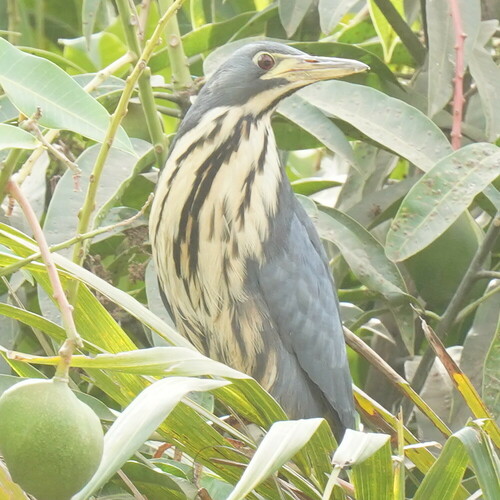 Avetorillo Plomizo
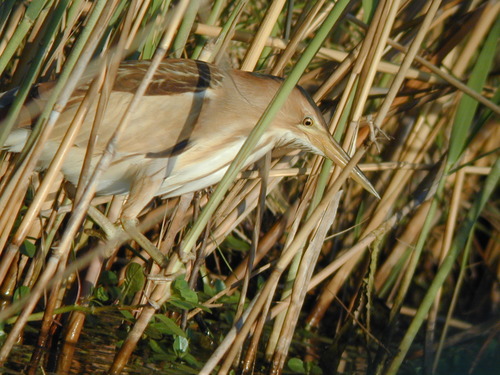 Avetorillo Común
En breve
La marca de campo más confiable para separar el Avetorillo Plomizo del Avetorillo Común es la presencia de un panel de ala anterior de color pálido o marrón rosado en los Avetorillos Comunes de todas las edades, especialmente obvio en los machos, pero también presente (aunque más apagado) en las hembras y los juveniles; el Avetorillo Plomizo carece completamente de este panel de ala contrastante. Los Avetorillos Comunes juveniles también tienen más estrías en la parte superior e inferior que los Avetorillos Plomizos. Estructuralmente, ambos son garzas pequeñas y de cuello delgado, pero el Avetorillo Común es ligeramente más pesado en promedio y tiene la reputación de ser la garza europea más pequeña. En vistas posadas o en vuelo, concéntrate en el panel de ala y el estriado general para evitar confusiones, especialmente con los inmaduros. Ambas especies pueden ocurrir en África subsahariana, pero el Avetorillo Común es migratorio en Europa y solo está presente allí en la temporada de cría.
Consejos de identificación
- Panel de ala anterior en vuelo o posado: El Avetorillo Común de todas las edades muestra un panel ovalado de color pálido o marrón rosado en el ala anterior, formado por las cobertoras del ala interna. Esto es más obvio en los machos adultos, menos en las hembras y los juveniles, pero siempre está presente. El Avetorillo Plomizo nunca muestra un panel de ala pálido contrastante; su ala superior es uniformemente oscura. Esta es la marca de campo más confiable a cualquier edad.
- Estriado juvenil: Los Avetorillos Comunes juveniles están más estriados en la parte superior e inferior, incluyendo las cobertoras del ala, y generalmente son más rufo que los juveniles del Avetorillo Plomizo, que son más simples y menos estriados. Si ves un avetorillo con un fuerte estriado y tono rufo, sospecha del Avetorillo Común.
- Color del ala inferior en vuelo: Los Avetorillos Comunes tienen un ala inferior blanquecina, que se puede ver en vuelo, especialmente desde abajo. El ala inferior del Avetorillo Plomizo no se describe como pálida contrastante.
- Dimorfismo sexual: Los Avetorillos Comunes machos adultos tienen una corona, nuca, espalda, cola y escapulares negros brillantes con un leve brillo verde, y partes inferiores de color pálido y limpio. Las hembras son más marrones con partes inferiores estriadas y menos contraste. El Avetorillo Plomizo no muestra tales diferencias sexuales fuertes ni las partes superiores negras brillantes.
- Pico y cuello: Ambas especies tienen picos largos y afilados y cuellos gruesos. El color y la forma del pico no se describen como diagnósticos entre estos dos.
- Tamaño y estructura: Ambos son garzas pequeñas y compactas. El Avetorillo Común es ligeramente más pesado en promedio y es la garza europea más pequeña, pero en el campo esto no es un separador confiable.
- Temporada y ubicación: En Europa, el Avetorillo Común está presente solo desde mediados de abril hasta octubre; cualquier avetorillo pequeño fuera de este período probablemente no sea un Avetorillo Común. En África subsahariana, ambas pueden ocurrir, pero el Avetorillo Plomizo es residente mientras que el Avetorillo Común es un migrante.
- Hábitat: Ambas especies prefieren humedales con vegetación emergente densa. El hábitat no es un separador confiable a menos que se considere el rango geográfico y la temporada.
- Comportamiento: Ambas especies son secretivas, se congelan cuando se alarman y vuelan con batidos de alas rápidos y superficiales. El comportamiento por sí solo no es diagnóstico.
- Trampas con inmaduros: Los Avetorillos Comunes inmaduros pueden confundirse con el Avetorillo Plomizo, pero la presencia del panel de ala pálido y el estriado más pesado en los juveniles del Avetorillo Común son clave. Siempre intenta ver el ala superior en vuelo o en reposo.
- Ausencia de panel de ala pálido: Si ves un avetorillo pequeño con un ala superior uniformemente oscura y sin indicios de un panel pálido, especialmente en África, es mucho más probable que sea un Avetorillo Plomizo.
- Brillo de las partes superiores: El leve brillo verde en las partes superiores negras del Avetorillo Común macho no se encuentra en el Avetorillo Plomizo.
- Color de las partes inferiores: Partes inferiores limpias de color pálido en el Avetorillo Común macho frente a partes inferiores menos limpias y estriadas en hembras y juveniles; el Avetorillo Plomizo no se describe como teniendo partes inferiores tan limpias o contrastantes.
- Consejo de la comunidad: En bandadas mixtas o en puntos calientes de migración, siempre verifica el panel de ala pálido antes de asumir que un avetorillo pequeño es un Avetorillo Plomizo.
Tamaño
Ambas especies son muy similares en tamaño, con el Avetorillo Plomizo promediando 142 g y el Avetorillo Común 147 g en masa corporal [wikidata]. El Avetorillo Común se describe como la garza reproductora más pequeña en Europa, con una longitud de 33–38 cm y una envergadura de 52–58 cm [wikipedia]. En la mano o a corta distancia, el tamaño no es un separador confiable, pero el Avetorillo Común puede parecer ligeramente más robusto. En el campo, ambos son garzas pequeñas y compactas con cuellos gruesos y picos largos y afilados.
Plumaje
La clave de la diferencia de plumaje es el panel de ala anterior de color pálido o marrón rosado presente en todas las edades y sexos del Avetorillo Común, más llamativo en los machos adultos (en forma ovalada, contrastando con alas negras), menos obvio pero aún presente en hembras y juveniles. El Avetorillo Plomizo carece de cualquier panel de ala pálido, por lo que su ala superior es más uniformemente oscura. Los Avetorillos Comunes juveniles también están más estriados en la parte superior e inferior, incluyendo en las cobertoras del ala, y muestran un tono rufo; los juveniles del Avetorillo Plomizo son menos estriados y más simples en general. Los Avetorillos Comunes machos adultos tienen una corona, nuca, espalda, cola y escapulares negros brillantes con un leve brillo verde y partes inferiores limpias de color pálido, mientras que las hembras son más marrones con partes inferiores estriadas y menos contraste en general. Los Avetorillos Plomizos no muestran el mismo grado de dimorfismo sexual ni el panel de ala contrastante. En vuelo, el ala inferior blanca del Avetorillo Común también es una marca útil, especialmente si se ve desde abajo.
Comportamiento
Ambas especies son garzas secretivas y furtivas que prefieren la cobertura densa y se ven más a menudo cuando son asustadas. Su comportamiento es similar: ambas se congelan con el cuello extendido cuando se alarman y vuelan con batidos de alas rápidos y superficiales. No se ha notado una diferencia de comportamiento fuerte en las fuentes para separarlas en el campo.
Hábitat
El Avetorillo Plomizo está ampliamente distribuido por África subsahariana, evitando solo regiones muy áridas [wikipedia]. El Avetorillo Común cría en Europa y migra a África durante la temporada no reproductiva, llegando tan al sur como el Cabo Oriental y Transvaal [wikipedia]. En Europa, el Avetorillo Común está presente solo desde mediados de abril hasta octubre, por lo que cualquier avetorillo visto fuera de esta ventana es poco probable que sea un Avetorillo Común. En África, ambas especies pueden ocurrir juntas, pero el Avetorillo Plomizo es residente mientras que el Avetorillo Común es un migrante. Ambas prefieren humedales con vegetación emergente densa.