

Cormorán Japonés vs Avetorillo Manchú
Phalacrocorax capillatus frente a Botaurus eurhythmus
Juega un quiz con Cormorán Japonés y Avetorillo Manchú
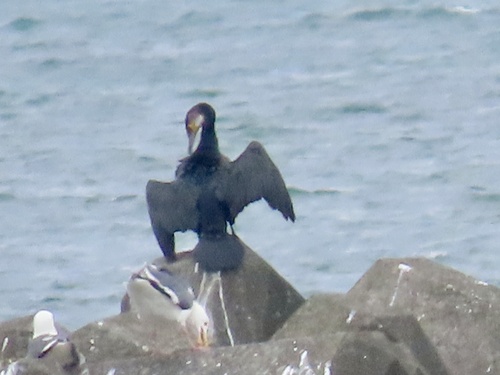 Cormorán Japonés
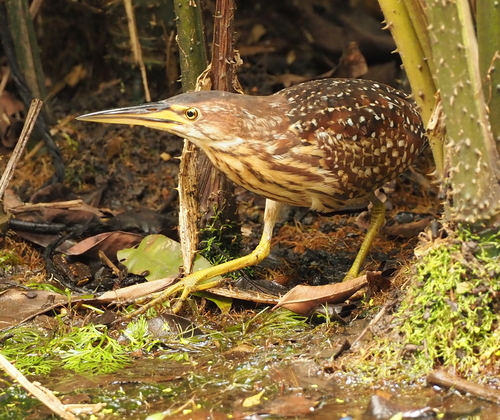 Avetorillo Manchú
En breve
La marca de campo más confiable para separar el Cormorán Japonés del Avetorillo Manchú es la estructura y tamaño general: el Cormorán Japonés es un ave marina grande y de cuerpo pesado con un cuello largo y una garganta blanca, mientras que el Avetorillo Manchú es mucho más pequeño, con un cuello corto, un cuerpo compacto y plumaje castaño/amarillo. En vuelo, los cormoranes muestran alas largas y estrechas y un vuelo constante y directo, mientras que los avetorillos tienen alas anchas y redondeadas y un vuelo más lento y aleteante. Los cormoranes juveniles son marrones pero aún grandes y con garganta pálida, mientras que los avetorillos juveniles tienen rayas y son castaños con plumas de vuelo negras. La forma y el color del pico también son distintivos en todas las edades.
Consejos de identificación
- El tamaño es la verificación más rápida: El Cormorán Japonés es más del doble de la longitud del Avetorillo Manchú y muchas veces más pesado. Si el ave parece del tamaño de un ganso o más grande, es un cormorán; si es del tamaño de un cuervo o más pequeña, es un avetorillo. Esto se aplica a todas las edades y sexos.
- Forma del cuello y del cuerpo: El cormorán tiene un cuello largo y grueso y un cuerpo alargado, especialmente obvio al nadar o volar. Los avetorillos tienen un cuello corto y grueso y un cuerpo compacto y robusto, con una postura encorvada cuando están posados.
- Forma y color del pico: El pico del cormorán es largo, curvado y parcialmente amarillo, adecuado para atrapar peces. El pico del avetorillo es recto, parecido a un puñal y amarillo, sin gancho. Esto es visible en todas las edades.
- Plumaje – garganta y mejillas: El cormorán (todas las edades) muestra una garganta y mejillas blancas, contrastando con una cabeza y cuerpo oscuros. Los avetorillos nunca muestran este patrón; su cara es amarilla o castaña sin parche blanco.
- Plumaje – partes superiores e inferiores: Los cormoranes adultos son de color negro brillante con una garganta blanca, mientras que los avetorillos son castaños por encima y amarillos o rayados por debajo. Los cormoranes juveniles son marrones pero simples, careciendo de las rayas y manchas de los avetorillos juveniles/femeninos.
- Patrón de vuelo y forma de las alas: Los cormoranes vuelan con alas largas y estrechas y un vuelo constante y directo, con el cuello estirado. Los avetorillos tienen alas anchas y redondeadas, un vuelo más lento y aleteante, y vuelan con el cuello retraído. En vuelo, los avetorillos muestran plumas de vuelo negras que contrastan con las coberturas castañas; los cormoranes son más uniformes.
- Cola: Los avetorillos muestran una cola negra en vuelo, contrastando con el resto del cuerpo. La cola del cormorán es corta y oscura pero no contrastante.
- Postura posada: Los cormoranes a menudo se posan erguidos en rocas o postes, a veces con las alas extendidas. Los avetorillos son secretos, generalmente encorvados y ocultos en juncos, rara vez posados abiertamente.
- Contexto de hábitat: Los cormoranes están casi siempre en aguas abiertas, costas rocosas o puertos. Los avetorillos están en juncales, pantanos o vegetación densa de agua dulce. Si el ave está en juncos, casi seguramente es un avetorillo.
- Confusión juvenil: Los cormoranes jóvenes son más marrones pero aún grandes y con garganta pálida, nunca rayados. Los avetorillos juveniles son más pequeños, castaños con manchas/rayas blancas, y muestran negro en las alas y la cola.
- Color de las patas: Los avetorillos tienen patas amarillas, a menudo visibles al vadear o volar. Las patas de los cormoranes son oscuras y menos propensas a ser vistas.
- Comportamiento de natación: Los cormoranes nadan bajo en el agua, a menudo buceando. Los avetorillos rara vez nadan y es más probable que se vean caminando o de pie en aguas poco profundas.
- Secado de alas: Los cormoranes frecuentemente se posan con las alas extendidas para secarse; los avetorillos nunca hacen esto.
- Diferencias estacionales/sexuales: Los avetorillos machos son más uniformemente castaños por encima, las hembras y los juveniles son más rayados. Las diferencias sexuales en los cormoranes son sutiles y no suelen ser visibles en el campo.
- Vocalización: No es diagnóstica con las notas actuales, pero en general, los cormoranes son silenciosos o emiten croaks guturales, mientras que los avetorillos también son silenciosos y secretos.
Tamaño
El Cormorán Japonés es dramáticamente más grande: los adultos miden 81–92 cm de longitud con una envergadura de alrededor de 152 cm, y pesan 2.3–3.55 kg [wikipedia]. El Avetorillo Manchú es mucho más pequeño, solo 33–39 cm de largo, con un cuello proporcionalmente más corto y un cuerpo más pequeño [wikipedia]. Incluso un cormorán juvenil eclipsa a un avetorillo adulto. Esta diferencia de tamaño es obvia en el campo, especialmente cuando ambos se ven cerca del agua para escala.
Plumaje
- Aves juveniles/inmaduras: Los cormoranes juveniles japoneses son más simples y marrones que los adultos pero retienen una garganta y mejillas pálidas (blancas), y carecen de fuertes rayas o manchas. Los avetorillos juveniles manchúes son castaños con manchas blancas arriba y rayas blancas abajo, y muestran plumas de vuelo y cola negras en vuelo. La parte superior del ala del avetorillo en vuelo es fuertemente contrastante (primarias negras, coberturas castañas), mientras que los cormoranes son más uniformemente oscuros arriba sin tal patrón.
- Adultos: Los cormoranes japoneses adultos son de color negro brillante con una garganta y mejillas blancas, y un pico parcialmente amarillo. Los avetorillos machos adultos manchúes son castaños por encima y amarillos por debajo, con coberturas amarillas y plumas de vuelo negras. Las hembras se parecen a los juveniles pero son menos rayadas. En todas las edades, las plumas de vuelo negras del avetorillo y la cola contrastan con el resto del ala, lo que no se observa en el cormorán.
Comportamiento
El Cormorán Japonés se ve típicamente nadando bajo en el agua, buceando por peces, o posado erguido con las alas extendidas para secarse. Su vuelo es fuerte, directo y a menudo bajo sobre el agua, con el cuello estirado. El Avetorillo Manchú es secreto, escondiéndose en juncos o vegetación densa, y rara vez se ve nadando. Cuando se asusta, vuela con aleteos lentos y aleteantes y el cuello retraído, a menudo cayendo rápidamente de nuevo a la cobertura. Los avetorillos son mucho menos propensos a ser vistos posados abiertamente o nadando.
Hábitat
El Cormorán Japonés es una especie costera, generalmente encontrada a lo largo de costas rocosas, puertos y mar abierto, rara vez aventurándose lejos del interior. El Avetorillo Manchú prefiere pantanos de agua dulce, juncales y vegetación densa de humedales, aunque puede ocurrir cerca de lagos y estanques. Es posible la superposición en humedales costeros, pero los cormoranes rara vez están en juncos densos, y los avetorillos evitan el mar abierto o las costas rocosas.