

Mosquero Terrestre Sureño vs Titirijí Pechigrís
Corythopis delalandi frente a Hemitriccus diops
Juega un quiz con Mosquero Terrestre Sureño y Titirijí Pechigrís
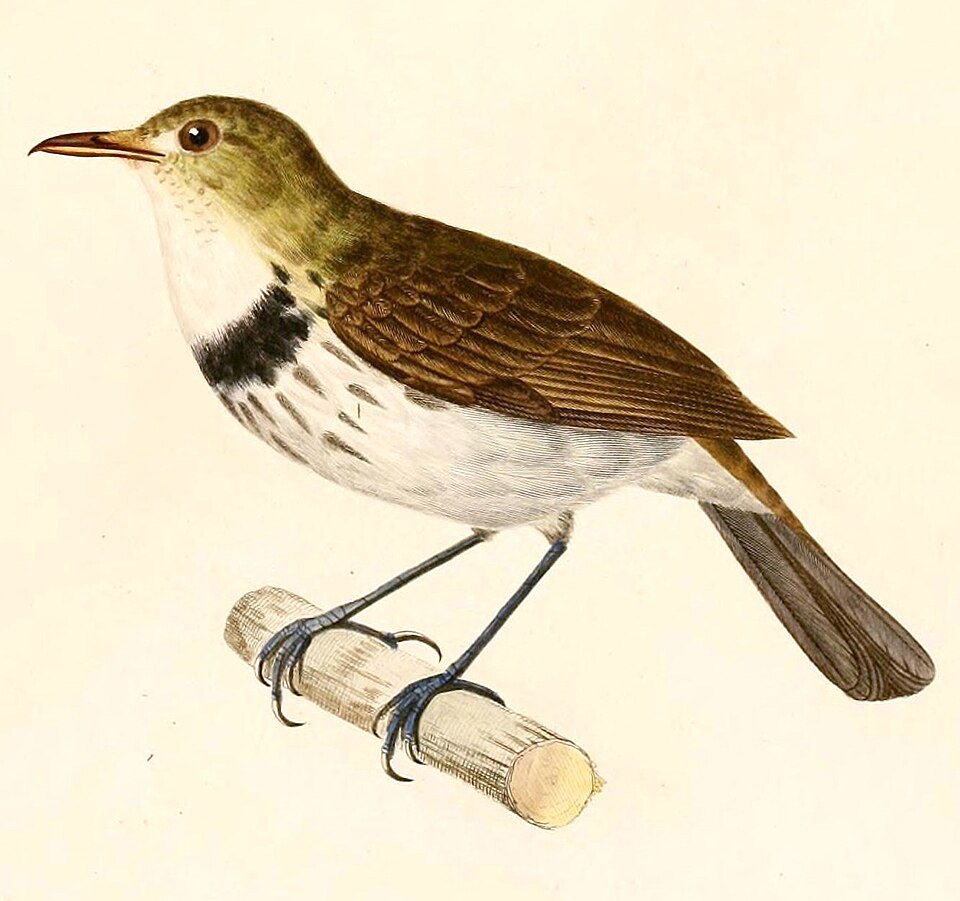 Mosquero Terrestre Sureño
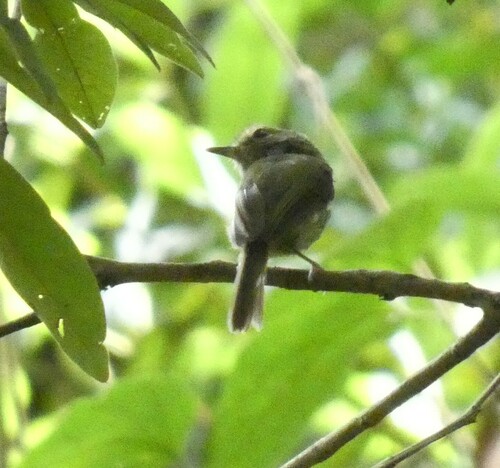 Titirijí Pechigrís
En breve
La marca de campo más confiable para separar el Mosquero Terrestre Sureño del Titirijí Pechigrís es el audaz 'collar' negro en el pecho y los flancos rayados del antpipit, frente al pecho liso y gris opaco del pygmy-tyrant, que solo tiene un tenue arco blanco. El Mosquero Terrestre Sureño también es claramente más grande y de patas más largas, con una cara y partes inferiores más pálidas y contrastantes, mientras que el Titirijí Pechigrís es más pequeño, más compacto y en general de un verde oliva más oscuro. Ambas especies pueden mostrar manchas pálidas en la cara, pero las del antpipit son más tenues y menos definidas. En el campo, preste especial atención al patrón de las partes inferiores, al tamaño general y al comportamiento en el suelo o en vegetación baja.
Consejos de identificación
- Collar negro audaz en el pecho: El Mosquero Terrestre Sureño siempre muestra una banda negra gruesa, casi completa, a través del pecho con rayas negras en los flancos. El Titirijí Pechigrís nunca muestra esto; su pecho es de un gris opaco liso con solo un tenue arco blanco.
- Contraste de las partes inferiores: El antpipit tiene partes inferiores mayormente blancas con una garganta cremosa y marcas negras claras; el pygmy-tyrant es más opaco, con un pecho y garganta grisáceos, y solo un sutil arco blanco.
- Patrón facial: El pygmy-tyrant tiene una mancha blanca distintiva sobre los loretes y un anillo ocular blanco bien marcado, ambos destacándose en una cara de color oliva oscuro. Las manchas faciales del antpipit son mucho más tenues y carecen de un fuerte anillo ocular.
- Color de las partes superiores: El antpipit es de color oliva en la parte superior con una corona grisácea-oliva, mientras que el pygmy-tyrant es más oscuro, de un verde oliva más uniforme, incluyendo la corona.
- Color del pico: El antpipit tiene una mandíbula superior negruzca y una mandíbula inferior pálido-rosada con una base amarilla a rosada-naranja. El pico del pygmy-tyrant es gris en la parte superior y rosado en la parte inferior, pero esto es sutil y rara vez es diagnóstico en el campo.
- Patas: El antpipit tiene patas largas, de un gris pálido-rosado, lo que le da un aspecto erguido y estilizado. Las patas del pygmy-tyrant son de un gris claro y más cortas, coincidiendo con su forma compacta.
- Tamaño y estructura: El antpipit es más grande y más delgado (13–14 cm, 14–18 g), con una cola y patas más largas; el pygmy-tyrant es más pequeño, más redondeado y más compacto (11 cm, 9.5–13.5 g).
- Comportamiento: Si el ave está caminando en el suelo o a lo largo de troncos, moviendo su cabeza y cola, casi con certeza es un antpipit. Si está posada en bambú o en vegetación densa, especialmente por encima del suelo, es más probable que sea un pygmy-tyrant.
- Patrón de alas y cola: Ninguna de las especies muestra bandas o paneles de alas fuertes, pero el pygmy-tyrant puede mostrar bordes más claros en las segundas plumas más internas; esto es sutil y no es una marca de campo primaria.
- Color del iris: El antpipit tiene un iris de color marrón medio a oscuro; el del pygmy-tyrant es marrón rojizo. Esto rara vez es visible en el campo.
- Hábitat: El antpipit prefiere el suelo del bosque y troncos bajos en bosques húmedos; el pygmy-tyrant se encuentra más a menudo en matorrales de bambú o vegetación densa.
- Sexo y edad: Ambas especies son sexualmente monomórficas y los juveniles se parecen a los adultos, por lo que la edad y el sexo no son útiles para la separación.
- Trampas de plumaje: En luz pobre, el pecho gris del pygmy-tyrant puede parecer más pálido, pero nunca muestra el collar negro o las rayas del antpipit. Las tenues manchas faciales del antpipit no deben confundirse con el fuerte anillo ocular del pygmy-tyrant.
- Contexto: Si se ve sola y en el suelo, favorezca al antpipit; si en parejas o grupos sueltos en bambú, favorezca al pygmy-tyrant.
- Vistas de vuelo: Ninguna de las especies tiene patrones distintivos de alas o cola en vuelo, así que confíe en el tamaño, la estructura y el contraste de las partes inferiores.
Tamaño
El Mosquero Terrestre Sureño es notablemente más grande (13–14 cm, 14–18 g) que el Titirijí Pechigrís (alrededor de 11 cm, 9.5–13.5 g). El antpipit también tiene patas más largas y pálidas, lo que le da una postura más erguida. En el campo, el antpipit parece más delgado y de patas más largas, mientras que el pygmy-tyrant es compacto y de patas cortas. Esta diferencia de tamaño es generalmente evidente cuando ambos se ven en contextos similares, como el suelo del bosque o posaderos bajos.
Plumaje
- Plumaje juvenil/inmaduro: Los juveniles de ambas especies se parecen a los adultos, por lo que las marcas específicas de edad en las alas o partes superiores no son un separador primario aquí.
- Mosquero Terrestre Sureño (todas las edades): Muestra un audaz 'collar' negro casi sólido en el pecho con rayas negras que bajan por los flancos. Las partes inferiores son mayormente blancas, con un mentón y garganta de color blanco cremosa. La cara es de un gris oliva pálido con manchas blanquecinas tenues (no un fuerte anillo ocular). Las partes superiores, alas y cola son de color oliva, con la corona grisácea-oliva. No hay bandas o paneles de alas fuertes. Iris de color marrón medio a oscuro, pico negruzco en la parte superior, pálido-rosado en la parte inferior, patas largas y de un gris pálido-rosado.
- Titirijí Pechigrís (todas las edades): Carece de cualquier collar negro o rayado. El pecho y la garganta son de un gris opaco con un tinte rosado o purpúreo, separados por un tenue arco blanco (no una banda). El vientre y el crissum son blanquecinos, a veces con un tinte amarillento. La cara muestra una mancha blanca sobre los loretes y un anillo ocular blanco, destacándose en una cara de color verde oliva oscuro. Las partes superiores, la corona, las alas y la cola son de un verde oliva oscuro liso; las segundas plumas más internas pueden tener bordes más claros. Iris marrón rojizo, pico gris en la parte superior, rosado en la parte inferior, patas de un gris claro. En general, el pygmy-tyrant es más simple y oscuro, con menos contraste y sin marcas audaces en el pecho.
Comportamiento
El Mosquero Terrestre Sureño se ve casi siempre caminando lentamente por el suelo del bosque o a lo largo de troncos caídos, a menudo moviendo su cabeza y cola, y rara vez se posa por encima del suelo. Forrajea solo y nunca se une a bandadas de especies mixtas. El Titirijí Pechigrís es más probable que se vea posado en bambú o en vegetación densa, a veces más alto, y no muestra el mismo comportamiento de caminar por el suelo. Sus movimientos son más típicos de un pequeño tirán: saltos cortos y brincos rápidos. Las largas patas y los hábitos terrestres del antpipit son distintivos.
Hábitat
Ambas especies se superponen en su rango (Argentina, Brasil, Paraguay) y ocurren en hábitats forestales, pero el Mosquero Terrestre Sureño está fuertemente ligado al suelo del bosque y a las capas inferiores, especialmente en bosques húmedos. El Titirijí Pechigrís está más asociado con matorrales de bambú y vegetación densa, a menudo un poco más alto del suelo. Si ve un ave forrajeando en el suelo o en troncos, es mucho más probable que sea un antpipit; si está en bambú denso o arbustos bajos, se favorece al pygmy-tyrant.
Mosquero Terrestre Sureño · Titirijí Pechigrís · Mis aves difíciles