

Correlimos de Temminck vs Correlimos Común
Calidris temminckii frente a Calidris alpina
Juega un quiz con Correlimos de Temminck y Correlimos Común
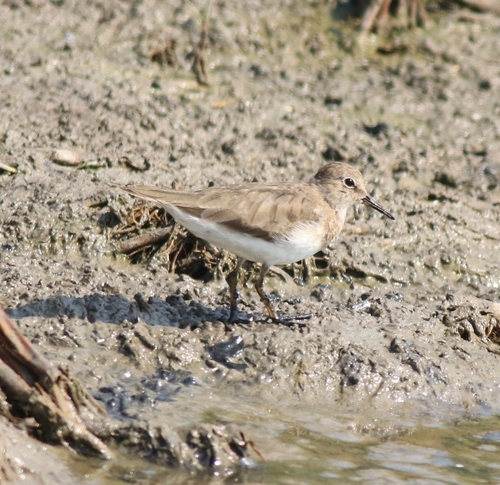 Correlimos de Temminck
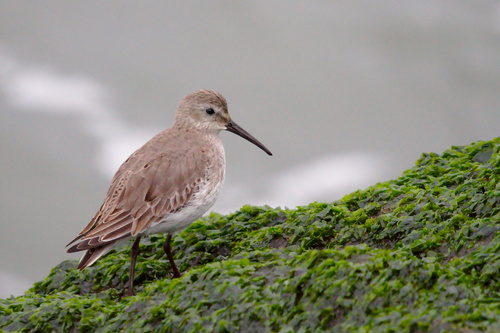 Correlimos Común
En breve
La marca de campo más confiable para separar el Correlimos de Temminck del Correlimos Común es el color de las patas y la cola exterior: el Correlimos de Temminck tiene patas de color amarillo apagado o marrón y plumas de cola exterior blancas, mientras que el Correlimos Común tiene patas negras y plumas de cola exterior grises. En vuelo, el Correlimos Común de todas las edades muestra una estrecha banda blanca en el ala, que el Correlimos de Temminck no tiene. El Correlimos Común es notablemente más grande y robusto, con un pico negro más largo y curvado, mientras que el Correlimos de Temminck es más pequeño, más delgado y tiene un pico más fino y recto. Los Correlimos Comunes en cría tienen una distintiva mancha negra en el vientre, que nunca se muestra en el Correlimos de Temminck. Los plumajes de invierno y juveniles pueden ser confusos, pero prestar atención a la estructura, el color de las patas y los patrones de vuelo resolverá la mayoría de las confusiones.
Consejos de identificación
- Color de las patas: El Correlimos de Temminck siempre tiene patas de color amarillo apagado o marrón, mientras que las patas del Correlimos Común son negras. Este es un punto clave de separación a corta distancia, especialmente cuando los pájaros están de pie o en el agua.
- Plumas de la cola exterior: En vuelo, el Correlimos de Temminck muestra plumas de cola exterior blancas; las del Correlimos Común son grises. Esto se puede ver cuando el pájaro abre su cola o despega.
- Banda blanca en el ala (en vuelo): El Correlimos Común de todas las edades muestra una estrecha banda blanca en el ala en vuelo, que el Correlimos de Temminck no tiene. Si ves una franja blanca a través del ala, es un Correlimos Común.
- Forma y longitud del pico: El Correlimos Común tiene un pico negro más largo y ligeramente curvado (los picos de las hembras son incluso más largos), mientras que el Correlimos de Temminck tiene un pico más corto, más fino y recto. La forma del pico es especialmente útil cuando los pájaros están alimentándose uno al lado del otro.
- Tamaño y estructura: El Correlimos Común es más grande, más robusto y más corpulento, con una apariencia más robusta. El Correlimos de Temminck es más pequeño, más delgado y más delicado, con un cuello y patas más cortos.
- Plumaje de cría: Solo el Correlimos Común muestra una audaz mancha negra en el vientre en plumaje de cría. El Correlimos de Temminck nunca tiene un vientre negro, solo un pecho ligeramente más oscuro.
- Patrón de la espalda juvenil/inmaduro: Los juveniles de Correlimos Común tienen dos marcas débiles de color blanco 'V' en la espalda (menos obvias que en el Correlimos Menudo), mientras que los juveniles de Correlimos de Temminck son más simples por encima y carecen de marcas fuertes en la espalda.
- Longitud de las patas: El Correlimos de Temminck tiene patas más cortas que el Correlimos Común, lo que puede ser notable cuando ambos están en el agua poco profunda.
- Comportamiento alimenticio: El Correlimos Común se alimenta con una rápida acción de 'máquina de coser', sondeando metódicamente el barro. El Correlimos de Temminck es más delicado y menos persistente en sus movimientos de alimentación.
- Agrupamiento: Grandes bandadas densas y sincronizadas son típicas del Correlimos Común, especialmente en invierno. El Correlimos de Temminck suele ser solitario o estar en pequeños grupos.
- Hábitat: El Correlimos Común es más probable que se encuentre en grandes números en llanuras de barro costeras abiertas y playas; el Correlimos de Temminck prefiere márgenes de agua dulce fangosos o vegetados.
- Punta del pico: La punta del pico del Correlimos Común es roma (no afilada), con una cobertura suave y sensible para sondear. Esto es sutil, pero se puede ver a corta distancia.
- Marcas en los flancos/vientre (juvenil): Los juveniles de Correlimos Común a menudo muestran marcas negras en los flancos o el vientre, que el Correlimos de Temminck carece.
- Confusión estacional: En invierno, ambas especies son más apagadas, pero el color de las patas, la forma del pico y el patrón de vuelo (banda en el ala) siguen siendo confiables.
- Voz: El Correlimos Común emite un llamado de 'chreep' y un trino áspero en exhibición, pero la voz del Correlimos de Temminck no se describe aquí, así que usa otras marcas primero.
Tamaño
El Correlimos de Temminck es significativamente más pequeño y ligero que el Correlimos Común. El Correlimos de Temminck mide de 13.5 a 15 cm de longitud y tiene una masa corporal de alrededor de 26 g, mientras que el Correlimos Común es más grande, midiendo de 16 a 20 cm y pesando de 34 a 77 g. El Correlimos Común también parece más corpulento y tiene una envergadura más larga (38–43 cm frente a las alas proporcionalmente más cortas del Correlimos de Temminck). En bandadas mixtas, el Correlimos Común se destacará como el pájaro más grande y robusto, mientras que el Correlimos de Temminck se verá más delicado y frágil.
Plumaje
-
Juvenil/Primer invierno/Inmaduro en vuelo: El Correlimos Común de todas las edades muestra una estrecha banda blanca en el ala en vuelo, que el Correlimos de Temminck no tiene. Los juveniles de Correlimos Común tienen partes superiores marrones con dos marcas débiles de color blanco 'V' en la espalda (menos obvias que en el Correlimos Menudo), y a menudo muestran marcas negras en los flancos o el vientre. Los juveniles de Correlimos de Temminck son de un marrón más simple por encima y blanco por debajo, careciendo de marcas fuertes en la espalda o bandas en el ala.
-
Plumaje de cría adulto: El Correlimos Común es inconfundible con su audaz mancha negra en el vientre, partes superiores rufo y patas negras. El Correlimos de Temminck es mucho más apagado, con partes superiores marrones simples, un pecho ligeramente más oscuro y patas amarillentas o marrones, a veces con algunas plumas de manto rufo o negruzcas, pero nunca un vientre negro.
-
Plumaje no reproductor/invernal: Ambas especies se vuelven más apagadas, pero el Correlimos de Temminck permanece de un marrón grisáceo simple por encima y blanco por debajo, con patas amarillentas/marrones y cola exterior blanca. El Correlimos Común es de un marrón grisáceo por encima y blanco por debajo, con patas negras y un pico negro ligeramente curvado. La banda blanca en el ala en vuelo sigue siendo una diferencia clave para el Correlimos Común.
Comportamiento
El Correlimos Común es altamente gregario en invierno, formando a menudo grandes bandadas sincronizadas en llanuras de barro costeras y playas, y alimentándose con una distintiva acción de 'máquina de coser'. El Correlimos de Temminck es menos gregario, típicamente visto solo o en pequeños grupos, y no muestra el mismo comportamiento de agrupamiento o vuelo sincronizado. La alimentación del Correlimos Común es más metódica y persistente, mientras que el Correlimos de Temminck parece más delicado y menos robusto en sus movimientos.
Hábitat
Ambas especies son limícolas, pero el Correlimos Común es mucho más probable que se encuentre en grandes números en llanuras de barro costeras abiertas o playas de arena, especialmente fuera de la temporada de cría. El Correlimos de Temminck prefiere márgenes más pequeños, a menudo más vegetados o fangosos de charcas de agua dulce o salobre, y es menos probable que se vea en grandes bandadas costeras. Si ves un pequeño limícola en una enorme bandada giratoria en un estuario, es casi seguro que es un Correlimos Común.
Voz
El Correlimos Común emite un llamado típico de 'chreep' y una canción de exhibición trina áspera. No hay una descripción vocal específica para el Correlimos de Temminck en las notas, por lo que la voz no es un separador confiable aquí.
Correlimos de Temminck · Correlimos Común · Mis aves difíciles