

Rondine vs Balestruccio
Hirundo rustica contro Delichon urbicum
Fai un quiz con Rondine e Balestruccio
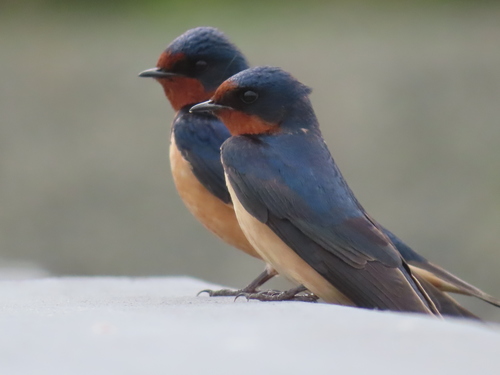 Rondine
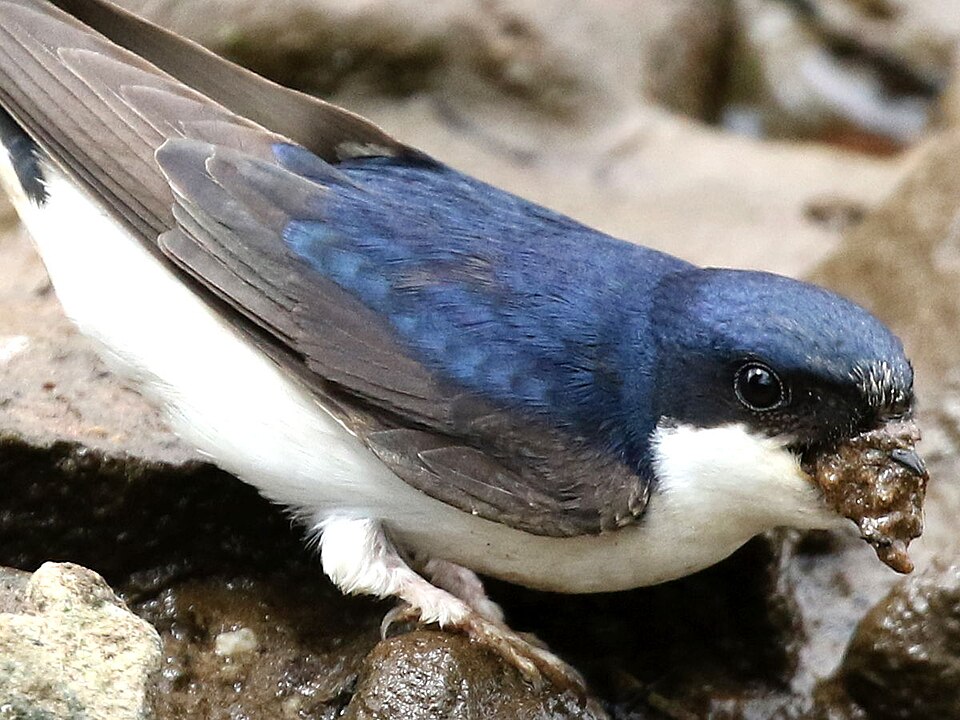 Balestruccio
In breve
Il segno di campo più affidabile per separare la Rondine dal Balestruccio è la coda: la Rondine ha una coda lunga e profondamente forked con streamers allungati (soprattutto negli adulti), mentre il Balestruccio mostra una coda molto più corta e poco forked. In volo, il luminoso ronzio bianco del Balestruccio e le parti inferiori bianche pure contrastano nettamente con il ventre bianco sporco della Rondine e il suo volto rufous. Le Rondini juvenile mancano di lunghi streamers e possono essere confuse con i Balestrucci, ma mostrano comunque un volto rufous e una banda petto scura, mentre i Balestrucci non hanno mai una banda petto e mostrano sempre un ronzio bianco. Entrambe le specie sono simili in dimensioni e spesso si trovano insieme vicino agli insediamenti umani, ma il loro stile di volo e le differenze nel piumaggio sono solitamente chiare con buone viste.
Consigli di identificazione
- Forma e lunghezza della coda (tutte le età): La Rondine ha una coda lunga e profondamente forked con piume esterne allungate (streamers), soprattutto negli adulti. La coda del Balestruccio è molto più corta e solo poco forked. Le Rondini juvenile mancano di streamers ma hanno comunque una coda più lunga del Balestruccio.
- Colore del ronzio (tutte le età): Il Balestruccio mostra sempre un ronzio bianco luminoso, molto evidente in volo e quando è appollaiato. Il ronzio della Rondine è blu, corrispondente alle parti superiori, mai bianco.
- Banda petto (tutte le età): La Rondine ha una banda petto blu scuro che separa la gola rufous dal ventre bianco sporco. Il Balestruccio non ha mai una banda petto; le sue parti inferiori bianche sono ininterrotte.
- Colore del volto (tutte le età): La Rondine ha una fronte, un mento e una gola rufous (rossa). Il volto del Balestruccio è blu senza rufous.
- Parti inferiori (tutte le età): Le parti inferiori del Balestruccio sono bianche pure, comprese le ali inferiori. Le parti inferiori della Rondine sono bianche sporche fino a buff, a volte con una sfumatura pesca, e sempre separate dalla gola dalla banda petto.
- Confusione juvenile: Le Rondini juvenile mancano di streamers e sono più marroni sopra, con un volto rufous pallido e una banda petto debole. I Balestrucci juvenile sono neri fuligginosi sopra con copritrici alari bianche e sempre hanno un ronzio bianco e parti inferiori bianche pure. La presenza di una banda petto e di un volto rufous indica la Rondine.
- Stile di volo: La Rondine vola con battiti d'ala più lenti e più aggraziati e glissa, seguendo la sua lunga coda. Il volo del Balestruccio è più veloce e più frenetico, con un jizz compatto e battiti d'ala rapidi.
- Postura appollaiata: La Rondine appare più lunga e snella, mostrando spesso gli streamers della coda anche quando è appollaiata. Il Balestruccio appare più corto, più robusto, e il ronzio bianco può essere visibile sopra la coda.
- Dimensione della colonia: I Balestrucci spesso nidificano in grandi colonie dense sugli edifici. Le Rondini sono più propense a nidificare singolarmente o in piccoli gruppi.
- Zampe e piedi: Le zampe e le dita del Balestruccio sono piumate di bianco e rosa, ma questo è raramente visibile sul campo.
- Becco: Entrambi hanno piccoli becchi neri, non un segno di campo utile.
- Voce: I richiami della Rondine sono più acuti e vari; quelli del Balestruccio sono più silenziosi e meno distintivi, ma questo non è solitamente un segno di campo primario.
- Habitat: Entrambe le specie utilizzano habitat simili, quindi il contesto non è solitamente utile per la separazione.
- Dimensione: La Rondine è più lunga principalmente a causa della sua coda; la dimensione del corpo è simile. Usa la lunghezza e la forma della coda, non la dimensione complessiva, per l'ID.
- Trappole: La Rondine juvenile può essere confusa con il Balestruccio a causa della coda corta, ma controlla sempre la banda petto e il volto rufous. Il Balestruccio non mostra mai una banda petto o rufous sul volto, e ha sempre un ronzio bianco.
Taglia
La Rondine è leggermente più grande nel complesso: gli adulti misurano 17–19 cm di lunghezza (inclusi 2–7 cm di streamers della coda) con un'apertura alare di 32–34,5 cm e un peso di 16–22 g [wikipedia]. Il Balestruccio è più compatto, lungo 13 cm, apertura alare 26–29 cm, e peso medio di 18,3 g [wikipedia]. La differenza di lunghezza è principalmente dovuta agli streamers della coda molto più lunghi della Rondine; la massa corporea è simile. Sul campo, la Rondine appare più lunga e più snella, mentre il Balestruccio appare più corto e più robusto.
Piumaggio
Le Rondini juvenile sono più marroni sopra, con un volto rufous pallido, parti inferiori bianche sporche, e mancano degli streamers lunghi degli adulti. Mostrano sempre una banda petto scura, anche se è meno nitida rispetto agli adulti. I Balestrucci juvenile sono neri fuligginosi sopra, con copritrici alari bianche e hanno sempre un ronzio bianco luminoso e parti inferiori bianche pure, comprese le ali inferiori. Gli adulti di entrambe le specie sono blu acciaio sopra, ma il Balestruccio ha un ronzio bianco sorprendente e nessuna banda petto, mentre la Rondine ha una fronte, un mento e una gola rufous, una banda petto blu, e nessun ronzio bianco. In tutte le età, le parti inferiori del Balestruccio sono bianche pure, mentre quelle della Rondine sono bianche sporche fino a buff, a volte con una sfumatura pesca. In volo, il ronzio bianco del Balestruccio lampeggia distintamente, mentre gli streamers della coda e la banda petto della Rondine si distinguono.
Comportamento
Entrambe le specie sono insetti aerei e spesso si nutrono insieme su campi aperti e vicino agli edifici. La Rondine vola tipicamente con battiti d'ala più lenti, più aggraziati e plananti, con lunghi streamers della coda che seguono dietro. Il Balestruccio ha un battito d'ala più veloce e più frenetico (5,3 battiti/sec contro 4,4 per la Rondine [wikipedia]), e appare più compatto e meno allungato in volo. Entrambe le specie nidificano sugli edifici, ma i Balestrucci sono più coloniali, spesso con molti nidi raggruppati insieme. Le Rondini possono nidificare singolarmente o in piccoli gruppi, a volte sotto i nidi di pesce falco per protezione [wikipedia].
Habitat
Entrambe le specie nidificano in campi aperti e vicino agli insediamenti umani, spesso utilizzando edifici per nidificare. I Balestrucci sono più propensi a formare colonie dense sugli edifici, mentre le Rondini possono nidificare singolarmente o in gruppi sciolti. Entrambe migrano per lunghe distanze e possono essere viste insieme durante la migrazione e nelle aree invernali, sebbene l'areale del Balestruccio sia più ristretto all'Europa, Nord Africa e Asia centro-occidentale, mentre la Rondine è cosmopolita [wikipedia].
Voce
I richiami della Rondine includono un acuto 'witt' o 'witt-witt', un forte 'splee-plink' quando è eccitata, e richiami di allerta acuti ('siflitt' per i mammiferi, 'flitt-flitt' per i rapaci). Entrambi i sessi cantano, ma il canto non è un segno di campo chiave. Le vocalizzazioni del Balestruccio non sono dettagliate nelle note fornite, ma i loro richiami sono generalmente più silenziosi e meno variati rispetto a quelli della Rondine. Le differenze vocali sono sottili e non sono solitamente diagnostiche sul campo.