

Buller's Shearwater vs Red-footed Booby
Ardenna bulleri contro Sula sula
Fai un quiz con Buller's Shearwater e Red-footed Booby
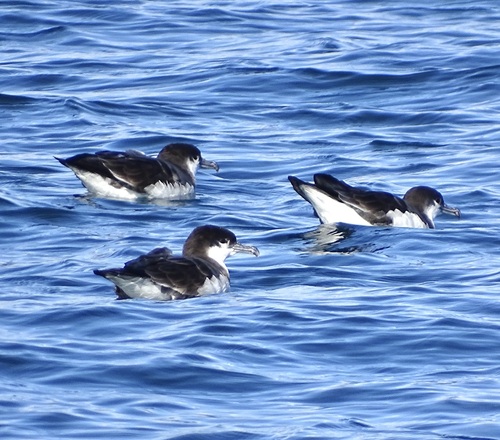 Buller's Shearwater
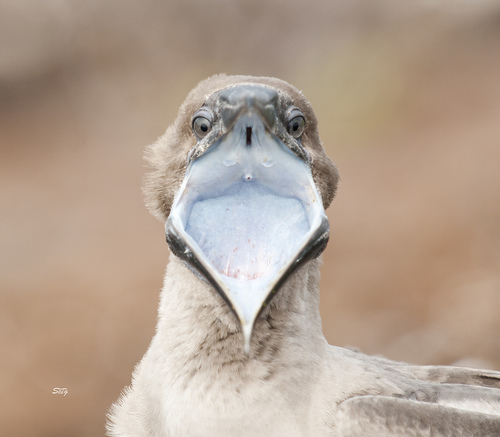 Red-footed Booby
In breve
Il segno di campo più affidabile per separare Buller's Shearwater da Red-footed Booby è il distintivo schema dell'ala superiore in volo: Buller's Shearwater di tutte le età mostra una sorprendente 'M' nera spezzata sulle ali superiori grigio-blu, mentre il Red-footed Booby (indipendentemente dalla morfologia o dall'età) non mostra mai questo schema e ha invece ali semplici o bicolori a seconda della morfologia. Buller's Shearwater è un'ala di mare snella e di dimensioni medie-grandi con una coda a forma di cuneo e un becco scuro, che appare sempre più snella e agile in volo rispetto al più massiccio, collo lungo e becco grande Red-footed Booby. Il Red-footed Booby è molto più pesante e massiccio, con piedi rossi inconfondibili negli adulti e una varietà di morfologie del piumaggio, ma mai la netta 'M' di Buller's. Se vedi un uccello marino con una 'M' audace sull'ala superiore, è Buller's Shearwater; se vedi piedi rossi o un uccello posato sugli alberi, è Red-footed Booby.
Consigli di identificazione
- Schema dell'ala superiore in volo (tutte le età): Buller's Shearwater mostra una 'M' nera spezzata sulle ali superiori grigio-blu, con primarie e terziarie nere separate da un pannello grigio chiaro. Nessuna morfologia o età di Red-footed Booby mostra mai questo schema; le loro ali sono semplici o bicolori, a seconda della morfologia.
- Piedi rossi (adulti): Solo il Red-footed Booby ha piedi rossi brillanti da adulto. Buller's Shearwater ha gambe e piedi scuri.
- Colore del becco: Buller's Shearwater ha un becco scuro; il Red-footed Booby ha un becco rosa e blu e una sacca della gola negli adulti.
- Forma della coda: Buller's Shearwater ha una coda a forma di cuneo, nerastra; la coda del Red-footed Booby varia con la morfologia (nera o bianca) ma non è mai a forma di cuneo.
- Struttura corporea: Buller's Shearwater è snello, con ali lunghe e aerodinamiche, con una testa relativamente piccola e un collo corto. Il Red-footed Booby è più massiccio, con un collo più lungo, un torace più profondo e un becco grande e spesso.
- Stile di volo: Buller's Shearwater scivola basso sulle onde con battiti d'ala rapidi e rigidi e lunghi scivolamenti. Il Red-footed Booby vola più in alto, con battiti d'ala più lenti e profondi, ed è goffo nel decollo e nell'atterraggio.
- Comportamento di posarsi: Il Red-footed Booby spesso si posa sugli alberi o sui rami, specialmente nelle colonie di nidificazione. Buller's Shearwater non viene mai visto posarsi al di sopra del livello del suolo.
- Variazione del piumaggio: Il Red-footed Booby si presenta in diverse morfologie (bianco, marrone, misto), ma nessuna ha la 'M' grigio-blu e nera di Buller's. I giovani booby sono marroni con ali scure e gambe chiare, privi di qualsiasi schema audace delle ali.
- Parti inferiori: Buller's Shearwater ha parti inferiori bianche brillanti con un forte contrasto rispetto alle parti superiori grigie. Le parti inferiori del Red-footed Booby variano a seconda della morfologia, ma non sono mai così bianche e nette con un cappuccio grigio come quelle di Buller's.
- Schema della testa: Buller's Shearwater mostra un cappuccio grigio fino all'occhio e guance bianche; il colore della testa del Red-footed Booby varia ma non corrisponde mai a questo schema.
- Dimensioni in stormi misti: Se visti insieme, il Red-footed Booby è molto più grande e massiccio di Buller's Shearwater.
- Dimensione e forma del becco: Buller's ha un becco fine e scuro; il becco del Red-footed Booby è lungo, spesso e colorato.
- Contesto dell'habitat: Un uccello marino visto posato su un albero o su un ramo è un Red-footed Booby; Buller's Shearwater non si posa mai sopra il suolo.
- Confusione giovanile: Il giovane Buller's Shearwater mostra già lo schema dell'ala adulto; il giovane Red-footed Booby è marrone con nessuna 'M' sull'ala e gambe rosa chiare.
- Comportamento alimentare: Buller's Shearwater prende il cibo dalla superficie o appena sotto, raramente tuffandosi; il Red-footed Booby tuffa da un'altezza.
Taglia
Il Red-footed Booby è sostanzialmente più grande e massiccio di Buller's Shearwater. Il Buller's adulto pesa in media circa 325–425 g, è lungo 46–47 cm e ha un'apertura alare di 97–99 cm. Il Red-footed Booby pesa in media quasi 1 kg (998 g), è lungo circa 70 cm e ha un'apertura alare fino a 152 cm. Sul campo, questo significa che il Red-footed Booby appare molto più pesante, con un torace più profondo e un collo più lungo, mentre Buller's Shearwater è più aerodinamico e snello. La dimensione da sola può essere fuorviante a distanza, ma in stormi misti o in viste ravvicinate, la massa e le ali più lunghe del booby sono evidenti.
Piumaggio
La differenza di piumaggio più diagnostica è nello schema dell'ala superiore visto in volo. Buller's Shearwater (tutte le età, compresi i giovani già involati) mostra una 'M' nera spezzata unica sulle ali superiori grigio-blu: una striscia nerastra corre dai terziari ai copritrici primarie, con primarie nere, ma le due aree nere sono separate da un pannello grigio chiaro (a volte quasi bianco), creando l'effetto 'M'. Le parti inferiori sono bianche brillanti e la testa mostra un cappuccio grigio fino all'occhio, con guance bianche. La coda è a forma di cuneo e nerastra. Il Red-footed Booby, indipendentemente dalla morfologia, non mostra mai questo schema 'M'. Invece, la morfologia bianca è per lo più bianca con piume di volo nere, la morfologia marrone è complessivamente marrone e le morfologie intermedie mescolano marrone e bianco in varie combinazioni. Tutti gli adulti di Red-footed Booby hanno piedi rossi e il becco è rosa e blu. I giovani booby sono marroni con ali più scure e gambe rosa chiare, privi di qualsiasi schema 'M'. Nessuna morfologia o età di Red-footed Booby mostra l'ala superiore netta e contrastante di Buller's Shearwater.
Comportamento
Buller's Shearwater è un'ala di mare classica, raramente posandosi, sempre visto volare basso sopra l'oceano con un volo galleggiante e scivoloso intervallato da brevi esplosioni di battiti d'ala. Non si tuffa dal volo e si nutre principalmente afferrando prede in superficie o appena sotto. Il Red-footed Booby è un volatore potente ma meno aggraziato, spesso visto librarsi in alto, ed è notevolmente goffo nel decollo o nell'atterraggio. I booby sono frequentemente visti posati sugli alberi o sui rami, a volte in grandi colonie, cosa che Buller's Shearwater non fa mai. Il Red-footed Booby cerca cibo tuffandosi per pesci ed è più probabile che venga visto tuffarsi da un'altezza.
Habitat
Buller's Shearwater è strettamente pelagico, di solito visto ben al largo, specialmente nel Pacifico da Nuova Zelanda alla costa occidentale delle Americhe, e raramente si avvicina alla terra se non nelle colonie di nidificazione. Il Red-footed Booby è anch'esso pelagico ma è più probabile che venga visto vicino a isole tropicali e coste, ed è unico tra i booby per il nido e il posarsi sugli alberi. Se vedi un uccello marino posato su un albero o su un ramo, è un Red-footed Booby, non un Buller's Shearwater. Entrambe le specie possono essere viste lontano dalla terra, ma il booby è più legato alle isole tropicali.
Buller's Shearwater · Red-footed Booby · I miei uccelli difficili