

Caribbean Elaenia vs Lesser Antillean Flycatcher
Elaenia martinica contro Myiarchus oberi
Fai un quiz con Caribbean Elaenia e Lesser Antillean Flycatcher
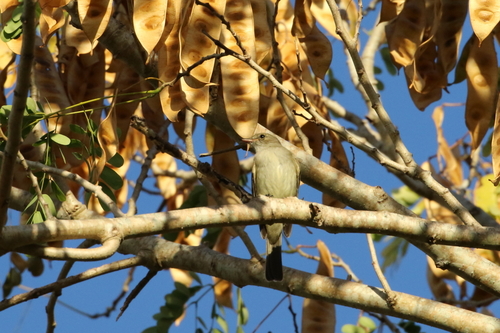 Caribbean Elaenia
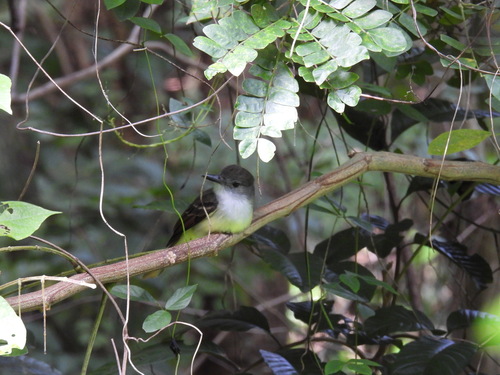 Lesser Antillean Flycatcher
In breve
Il segno di campo più affidabile per separare Caribbean Elaenia da Lesser Antillean Flycatcher è la struttura generale e il tono del piumaggio: l'elaenia è più piccola, con una cresta più folta e un olivastro opaco sopra con barre alari chiare e poco ruggine, mentre il flycatcher è più grande, con una coda più lunga e mostra un ampio ruggine nelle ali e nella coda. In volo o posato, cerca le parti inferiori dell'elaenia con una sfumatura giallastra e barre alari chiare e nette rispetto ai bordi rugginosi più audaci del flycatcher e al ventre giallo più saturo. Entrambe le specie possono mostrare una cresta, ma quella dell'elaenia è più folta e più chiara. Dimensione, struttura e la presenza o assenza di ruggine nelle ali e nella coda sono i segni di campo più consistenti.
Consigli di identificazione
- Dimensione e struttura: Il Lesser Antillean Flycatcher è sostanzialmente più grande e pesante rispetto al Caribbean Elaenia. Se due uccelli sono insieme, la differenza di dimensione è ovvia, ma anche singolarmente, la coda più lunga e il corpo più robusto del flycatcher sono buoni indizi. Questo segno è affidabile per tutte le età e i sessi.
- Forma della cresta: Caribbean Elaenia ha una cresta folta e prominente con una striscia centrale bianca, spesso sollevata e ovvia. La cresta del flycatcher è meno folta e manca di una forte striscia chiara. Usa questo quando gli uccelli sono all'erta o agitati.
- Schema delle ali: L'elaenia mostra due barre alari chiare e nette (punte bianche alle copritrici) e bordi giallastri o bianchi sulle piume da volo, ma nessun ruggine. Le barre alari del flycatcher sono deboli e possono essere bianche grigiastre o ruggine, ma la chiave è la presenza di bordi rugginosi sulle primarie e sui terziari—mai visti nell'elaenia. Questo è più utile sugli uccelli posati o in buone viste di volo.
- Colorazione della coda: Il flycatcher ha una larga striscia ruggine sulle vane interne delle piume della coda (eccetto in una sottospecie), mentre la coda dell'elaenia è semplice e scura senza ruggine. Cerca questo quando la coda è aperta o retroilluminata.
- Colore delle parti superiori: L'elaenia è di un olivastro opaco a marrone olivastro, a volte appare quasi opaca; il flycatcher è di un verde oliva più scuro, spesso con un tono più ricco e copritrici della coda ruggine. Usa questo in buona luce.
- Parti inferiori: Entrambi hanno ventri giallastri, ma quello dell'elaenia è più chiaro e può essere bianco o giallastro opaco, mentre quello del flycatcher è giallo più saturo, a volte con un lavaggio verdastro sui fianchi. Il petto e la gola del flycatcher sono grigi, più chiari sulla gola; la gola dell'elaenia è grigia fuligginosa e il petto grigio chiaro.
- Colore del becco: Entrambi hanno becchi scuri, ma la mandibola inferiore dell'elaenia può mostrare una base rosa scura, mentre il becco del flycatcher è uniformemente scuro. Questo è sottile e meglio visibile da vicino.
- Colore dell'iride: Entrambi hanno iridi marroni scure; non è un separatore.
- Zampe e piedi: Entrambe le specie hanno zampe e piedi scuri; non è un separatore.
- Comportamento: L'elaenia è spesso più attiva, muovendo cresta e coda, e appare più compatta. Il flycatcher si siede più dritto e può sembrare più massiccio e meno irrequieto.
- Habitat: L'overlap è ampio, ma se visto in cespugli densi o giardini, l'elaenia è più probabile; in boschi maturi, considera il flycatcher, ma non fare affidamento solo su questo.
- Variazione delle sottospecie: Alcune sottospecie di flycatcher mancano di ruggine nella coda (M. o. sclateri), quindi controlla sempre la presenza di ruggine nelle ali. Alcune sottospecie di elaenia sono più chiare o più scure, ma non mostrano mai ruggine.
- Voce: Non descritta nelle note fornite; non usarla per la separazione.
- Stagione e sesso: Entrambe le specie sono sessualmente monomorfiche e non hanno forti cambiamenti di piumaggio stagionali; tutti i segni sopra si applicano tutto l'anno e a entrambi i sessi.
- Trappole: Gli elaenia immaturi o usurati possono apparire particolarmente opachi e piccoli, ma non mostrano mai ruggine nelle ali o nella coda. I flycatchers possono apparire meno colorati in scarsa luce, ma i bordi rugginosi sono solitamente visibili in buone viste.
Taglia
Lesser Antillean Flycatcher è notevolmente più grande e pesante (massa corporea ~35 g, lunghezza 19–22 cm) rispetto al Caribbean Elaenia (massa corporea ~21 g, lunghezza 14–18 cm) [wikidata]. Le proporzioni del flycatcher sono più allungate, con una coda più lunga e un becco leggermente più pesante. Sul campo, l'elaenia appare spesso compatta e con una coda corta, mentre il flycatcher appare più slanciato e robusto.
Piumaggio
Non sono descritti schemi di ali giovanili o immaturi specifici per età per nessuna delle due specie, quindi ci si concentra sul piumaggio adulto e generale. Caribbean Elaenia è di un olivastro opaco a marrone olivastro sopra, con una cresta folta che ha una striscia centrale bianca, e due barre alari chiare formate da punte bianche alle copritrici. Le sue ali sono scure con bordi giallastri o bianchi, ma mancano di qualsiasi ruggine. Le parti inferiori sono grigio chiaro o bianche o giallastre opache, con copritrici della coda giallastre. Lesser Antillean Flycatcher è di un verde oliva più scuro sopra, con una cresta ma meno folta, e mostra bordi rugginosi sulle primarie, terziari e copritrici della coda. Le sue barre alari sono deboli e possono essere bianche grigiastre o ruggine, ma sono meno distinte rispetto a quelle dell'elaenia. La coda ha una larga striscia ruggine sulle vane interne (assente in una sottospecie), e le parti inferiori sono grigie sul petto e sulla gola, con un ventre giallo e copritrici della coda, spesso con un lavaggio verdastro sui fianchi. Il ruggine del flycatcher nelle ali e nella coda è un separatore chiave rispetto alle ali e alla coda semplici e scure dell'elaenia.
Comportamento
Entrambe le specie sono tipici flycatchers tiranni, spesso lanciandosi da posatoi esposti per catturare insetti. L'elaenia può apparire più attiva e irrequieta, muovendo la cresta e la coda, mentre il flycatcher tende a sedersi più dritto e può sembrare più massiccio. Il flycatcher può anche preferire posatoi leggermente più alti o più aperti, ma questo è sottile e non sempre affidabile.
Habitat
Entrambe le specie si trovano in habitat boschivi e di margine sulle isole caraibiche, ma il Lesser Antillean Flycatcher è più ristretto alle Antille Minori, mentre Caribbean Elaenia è più diffuso nelle Indie Occidentali e nelle aree continentali adiacenti. L'overlap dell'habitat è significativo, quindi la posizione da sola non è diagnostica, ma il flycatcher può essere più legato a boschi maturi o margini forestali, mentre l'elaenia può essere trovata in una gamma più ampia di cespugli, giardini e crescita secondaria.
Caribbean Elaenia · Lesser Antillean Flycatcher · I miei uccelli difficili