

Fringuello vs Verzellino
Fringilla coelebs contro Serinus serinus
Fai un quiz con Fringuello e Verzellino
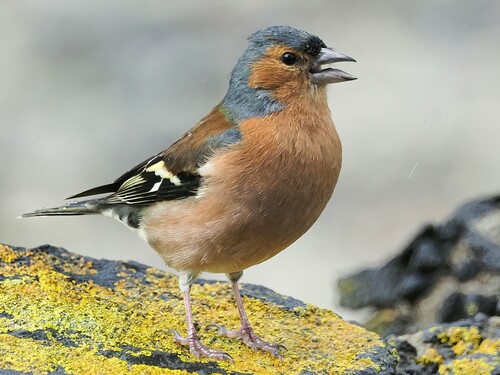 Fringuello
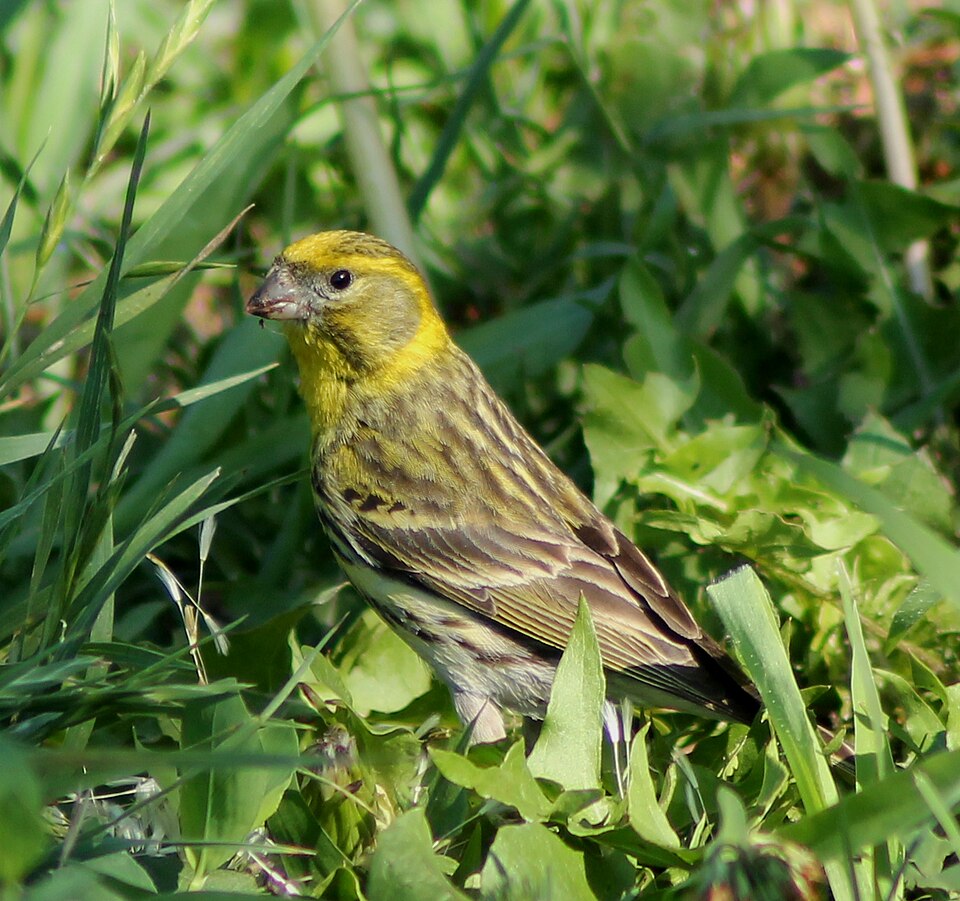 Verzellino
In breve
Il segno distintivo più affidabile per separare il Fringuello dal Verzellino è la forte banda bianca doppia sulle ali e i lati della coda del Fringuello, che sono evidenti in tutte le età e particolarmente colpenti in volo. Il Verzellino è più piccolo, con una coda più corta e un aspetto complessivo molto più striato, comprese le parti inferiori. I maschi di Fringuello mostrano un cappuccio blu-grigio e parti inferiori di un ricco rosso ruggine, mentre i maschi di Verzellino sono di un giallo brillante sul viso e sul petto con pesanti striature. Le femmine e i giovani di entrambe le specie sono più opachi, ma il Fringuello mostra sempre le forti bande sulle ali e manca dell'aspetto giallo e striato del Verzellino. In volo o posato, il Fringuello appare più grande, con una coda più lunga e più robusto, mentre il Verzellino è compatto e attivo.
Consigli di identificazione
- Bande bianche sulle ali e lati della coda (Fringuello): Cerca due forti bande bianche sulle ali e cunei bianchi sulle piume esterne della coda in tutte le età e sessi del Fringuello. Questi sono visibili sia posati che in volo e non sono mai mostrati dal Verzellino.
- Aspetto giallo e striato (Verzellino): Il Verzellino di tutte le età è fortemente striato sulle parti superiori e inferiori, con un sopracciglio giallo e toni giallastri sul viso, sul petto e sulle bande delle ali. Il Fringuello non mostra mai questo aspetto complessivo striato e giallo.
- Dimensioni e struttura: Il Fringuello è più grande, con una coda più lunga e più robusto, con un becco forte e spesso. Il Verzellino è notevolmente più piccolo, con una coda corta e una struttura più delicata e compatta.
- Piumaggio maschile: Il maschio di Fringuello ha un cappuccio blu-grigio, fronte nera e parti inferiori di un ricco rosso ruggine—unico tra i fringuelli europei. Il maschio di Verzellino è di un giallo brillante sul viso e sul petto, con pesanti striature e accenti gialli sulle ali e sulla coda.
- Confusione tra femmine e giovani: Le femmine e i giovani di Fringuello sono più opachi ma mantengono le bande bianche sulle ali e i lati della coda. La femmina/immatura di Verzellino è striata e giallastra, mancando del pulito schema delle ali del Fringuello.
- Viste in volo: In volo, il Fringuello mostra un forte schema bianco sulle ali e una coda esterna bianca, mentre il Verzellino mostra bande giallastre sulle ali e lati della coda ma nessun bianco. Il Verzellino appare sempre più striato e giallastro.
- Forma del becco: Il Fringuello ha un becco robusto e conico; il becco del Verzellino è più fine e appuntito, riflettendo la sua dimensione più piccola.
- Comportamento: Il Fringuello è spesso visto nutrirsi a terra o posato eretto, muovendosi con salti deliberati. Il Verzellino è più irrequieto, spesso svolazzando nella chioma o su rami esposti, e forma gruppi al di fuori della stagione riproduttiva.
- Contesto dell'habitat: In boschi mediterranei o aperti con conifere, specialmente nel sud Europa, è più probabile trovare il Verzellino. In boschi più settentrionali, misti o a foglia larga, o in giardini e terreni agricoli, il Fringuello è molto più comune.
- Vocalizzazioni: Se udito, il canto del Verzellino è un rapido trill ronzante, a differenza del canto più melodico e strutturato del Fringuello.
- Colore del becco stagionale (Fringuello): In primavera, il becco del Fringuello diventa blu-grigio con una piccola punta nera; in inverno, è grigio chiaro. Questo è sottile ma può aiutare in viste ravvicinate.
- Colore del sopracciglio: Il Fringuello ha un sopracciglio verde oliva chiaro (maschio) o verde oliva opaco (femmina), mentre il sopracciglio del Verzellino è di un giallo brillante.
- Colore delle parti inferiori: I maschi di Fringuello hanno parti inferiori rosso ruggine; il Verzellino è sempre striato sotto, mai di colore uniforme.
- Mescolanza con altri fringuelli: Il Verzellino spesso si unisce a gruppi misti di specie in inverno, ma il Fringuello è solitamente in gruppi di singola specie o con altri grandi fringuelli.
- Trappola: Non fare affidamento solo sui toni 'verdognoli' complessivi—la femmina di Fringuello può apparire oliva, ma controlla sempre le forti bande bianche sulle ali e i lati della coda per confermare.
Taglia
Il Fringuello è notevolmente più grande e pesante (massa corporea ~22g) rispetto al Verzellino, che è il più piccolo fringuello europeo. Il Fringuello misura circa 14,5 cm di lunghezza con un'apertura alare di 24,5–28,5 cm, mentre il Verzellino è lungo solo 11–12 cm e proporzionalmente molto più leggero. Il Fringuello ha una coda più lunga e un corpo più robusto e massiccio, mentre il Verzellino è compatto e con coda corta. Questa differenza di dimensioni è evidente anche a distanza, specialmente quando entrambe le specie sono viste insieme o con altri fringuelli per scala.
Piumaggio
- Uccelli giovani/immaturi: Sia il giovane Fringuello che il Verzellino femmina/immaturo sono più opachi rispetto ai maschi adulti, ma i giovani di Fringuello mostrano ancora le forti bande bianche sulle ali e i lati della coda, mentre i giovani di Verzellino hanno parti inferiori striate e un sopracciglio giallastro ma mancano di marcature forti sulle ali.
- Adulti (maschio): Il maschio di Fringuello è inconfondibile con un cappuccio blu-grigio, fronte nera, parti inferiori rosso ruggine e sopracciglio verde oliva. Le ali hanno due bande bianche contrastanti e un pannello bianco sulle copritrici, con cunei bianchi sulle piume esterne della coda. Il maschio di Verzellino è di un giallo brillante sul viso e sul petto, fortemente striato sulle parti superiori e sui fianchi, con bande gialle sulle ali e lati gialli della coda, ma manca del schema bianco delle ali/coda del Fringuello.
- Femmine: La femmina di Fringuello è di un grigio-marrone opaco sopra e più chiara sotto ma mostra ancora bande bianche sulle ali e lati della coda. La femmina di Verzellino è striata di verde-grigiastro sopra con un sopracciglio giallo e parti inferiori striate chiare, e ha bande giallastre ma meno distinte.
- Viste in volo: Il Fringuello di tutte le età mostra forti bande bianche sulle ali e una coda esterna bianca, mentre il Verzellino mostra bande giallastre sulle ali e lati gialli della coda ma nessun bianco. Il Verzellino appare sempre più striato e giallastro, mai con il pulito schema delle ali del Fringuello.
Comportamento
Il Fringuello è un fringuello robusto che si nutre a terra, spesso visto saltellare a terra o posato eretto sugli alberi. È meno irrequieto del Verzellino e può apparire più deliberato nei suoi movimenti. Il Verzellino è molto più attivo e spesso evidente, svolazzando in boschi aperti o aree coltivate, frequentemente posandosi su rami esposti e facendo brevi voli svolazzanti. Al di fuori della stagione riproduttiva, il Verzellino forma spesso gruppi, a volte mescolandosi con altri fringuelli. In volo, il Fringuello appare forte e diretto, mentre il Verzellino è veloce e saltellante, con un aspetto più svolazzante.
Habitat
Il Fringuello è diffuso e comune in una varietà di habitat, tra cui boschi, parchi, giardini e terreni agricoli in gran parte d'Europa. Non è particolarmente legato a conifere o campi aperti. Il Verzellino europeo preferisce boschi aperti, specialmente con alcune conifere, così come aree coltivate e frutteti, principalmente nel sud e centro Europa e in Nord Africa. Il Verzellino è molto più probabile trovarlo in habitat di tipo mediterraneo, ed è meno comune in aree settentrionali o densamente forestali dove il Fringuello è abbondante.
Voce
Il Fringuello ha un canto vario e ben noto, ma le note non forniscono dettagli qui. Il canto del Verzellino europeo è descritto come un trill ronzante, molto familiare nei paesi mediterranei. Sul campo, il canto del Verzellino è una rapida serie di note ronzanti ad alta frequenza, molto diverso dal canto più strutturato e melodico del Fringuello. Le chiamate non sono descritte in dettaglio, ma le vocalizzazioni tipiche del Verzellino sono più acute e più sibilanti.