

Cyprus Wheatear vs Monachella orientale
Oenanthe cypriaca contro Oenanthe melanoleuca
Fai un quiz con Cyprus Wheatear e Monachella orientale
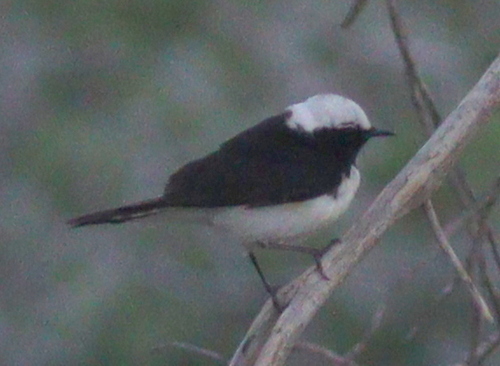 Cyprus Wheatear
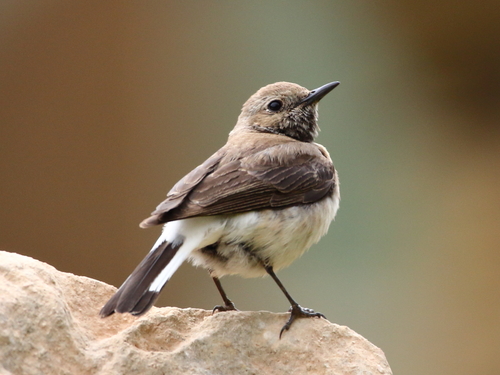 Monachella orientale
In breve
Per separare il Cyprus Wheatear dalla Monachella orientale, concentrati prima sul contrasto generale tra bianco e nero e sull'estensione del nero sulla testa e sulla schiena: il Cyprus Wheatear è più uniformemente nero sopra, con poco o nessun dimorfismo sessuale, mentre i maschi della Monachella orientale mostrano una corona e un mantello bianchi e sorprendenti con una maschera nera ben definita. Il Cyprus Wheatear è anche più arboricolo, spesso visto più in alto sugli alberi, e il suo canto è un ronzio unico e acuto, a differenza del tipico canto del wheatear. Le femmine e gli uccelli non in riproduzione sono più difficili da identificare, ma il Cyprus Wheatear rimane più scuro e meno chiaro nel complesso. Se vedi un wheatear a Cipro in estate, il Cyprus Wheatear è la scelta predefinita, ma controlla questi segni sul campo per essere sicuro.
Consigli di identificazione
- Colore della testa e della schiena (adulti, tutte le stagioni): Il Cyprus Wheatear è più estensivamente nero sopra, con più nero sulla testa, sulla schiena e sulla coda. I maschi della Monachella orientale hanno una corona e un mantello bianchi o bianco-rossicci, con una maschera nera ben definita e una schiena per lo più bianca.
- Dimorfismo sessuale: Il Cyprus Wheatear mostra poco o nessuna differenza tra i sessi; sia il maschio che la femmina si somigliano. La Monachella orientale mostra un forte dimorfismo sessuale, con i maschi molto più luminosi e contrastanti rispetto alle femmine.
- Schema della coda: Il Cyprus Wheatear ha leggermente più nero sulla coda rispetto alla Monachella orientale. In quest'ultima, tutte le piume della coda tranne quelle centrali sono bianche, con il bianco che spesso si estende fino alla punta della parte interna.
- Maschera e gola: I maschi della Monachella orientale hanno una maschera nera ben definita che si estende fino al becco e una gola nera o bianca (gli uccelli con gola nera hanno più nero rispetto alla Monachella occidentale). Il nero del Cyprus Wheatear è più diffuso e copre di più la testa.
- Parte superiore in piumaggio non riproduttivo: La Monachella orientale diventa distintamente rossiccia sulla testa, sul mantello e sulle parti inferiori in autunno e inverno, mentre il Cyprus Wheatear rimane più scuro e meno rossiccio.
- Piumaggio femminile: La femmina del Cyprus Wheatear è simile al maschio, rimanendo scura e priva di forte contrasto. La femmina della Monachella orientale è più grigio-marrone, con un aspetto più freddo e opaco e una caratteristica parte bassa bianca.
- Canto: Il canto del Cyprus Wheatear è un ronzio acuto, simile a una serie di esplosioni, molto diverso dal tipico canto del wheatear. Se senti questo, è diagnostico per il Cyprus Wheatear.
- Altezza e comportamento di posato: Il Cyprus Wheatear spesso si posa in alto (5–10 m) sugli alberi e utilizza il volo a scatti. La Monachella orientale è più spesso vista su rocce, arbusti bassi o a terra.
- Habitat: A Cipro, gli uccelli di bosco o di margine di foresta sono quasi sempre Cyprus Wheatear. La Monachella orientale preferisce habitat aperti, rocciosi o cespugliosi.
- Contesto geografico: Il Cyprus Wheatear nidifica solo a Cipro; altrove, è un raro vagabondo. La Monachella orientale è diffusa nel sud-est europeo e nell'Asia occidentale.
- Contesto stagionale: A Cipro durante la stagione di nidificazione, quasi tutti i wheatear negli habitat boschivi sono Cyprus Wheatear. I migratori o i vagabondi dovrebbero essere controllati attentamente per i segni sul campo sopra menzionati.
- Bianco sulla schiena e sulla coda: I maschi della Monachella orientale mostrano una schiena e una coda bianche sorprendenti (eccetto le piume centrali), mentre il Cyprus Wheatear è più scuro sopra e sulla coda.
- Toni rossicci: Se vedi forti toni rossicci sulla testa e sulle parti inferiori (soprattutto in autunno/inverno), sospetta la Monachella orientale; il Cyprus Wheatear rimane più scuro.
- Mancanza di forte contrasto nella parte superiore: Il Cyprus Wheatear manca del forte contrasto bianco e nero dei maschi della Monachella orientale, apparendo più uniformemente scuro sopra.
- Trappole: I wheatear non in riproduzione e le femmine della Monachella orientale possono apparire opachi e meno contrastanti, ma mostreranno comunque la parte bassa e la coda bianche, e mancheranno del nero esteso del Cyprus Wheatear.
Taglia
Entrambe le specie sono piccoli, snelli wheatear di lunghezza simile (Cyprus Wheatear: 14–15 cm [wikipedia]), senza una forte differenza di dimensione o struttura notata nelle fonti disponibili. I biometria differiscono sottilmente, ma questi non sono separabili sul campo con i binocoli.
Piumaggio
I piumaggi giovanili e di primo inverno non sono descritti in dettaglio per nessuna delle due specie nelle note fornite, quindi ci si concentra sulla variazione degli adulti e stagionale. Il Cyprus Wheatear adulto è più estensivamente nero sopra, con più nero sulla coda, sulla schiena e sulla testa, e mostra poco o nessuna differenza tra i sessi. I maschi della Monachella orientale in piumaggio riproduttivo hanno una corona bianca o quasi bianca, una fronte e un mantello, una maschera nera ben definita e una schiena e una coda per lo più bianche, con solo le piume centrali scure. Le loro parti inferiori sono bianche con una sfumatura rossiccia, e la gola può essere nera o bianca. In piumaggio non riproduttivo, la Monachella orientale diventa più rossiccia sopra e sotto, ma mantiene comunque un tono più freddo e opaco nelle femmine rispetto alla Monachella occidentale. Il Cyprus Wheatear, al contrario, rimane più scuro, con più nero sulle parti superiori e sulla coda, e entrambi i sessi si somigliano tutto l'anno.
Comportamento
Il Cyprus Wheatear è notevolmente più arboricolo rispetto alla Monachella orientale, spesso posandosi a 5–10 metri sugli alberi e utilizzando il volo a scatti per catturare insetti. Nidifica in habitat di bosco e margine di foresta, a differenza del comportamento più tipico di campagna aperta della Monachella orientale. Entrambe le specie utilizzano l'alimentazione a posato-salto, ma il Cyprus Wheatear è più probabile che venga visto in o vicino agli alberi.
Habitat
Il Cyprus Wheatear nidifica esclusivamente a Cipro ed è il wheatear più arboricolo nel Paleartico occidentale, preferendo boschi o margini di foresta con un po' di terreno aperto. La Monachella orientale è più diffusa e favorisce habitat aperti, rocciosi o cespugliosi, avventurandosi raramente in boschi densi. Se visto in un ambiente ben alberato a Cipro, il Cyprus Wheatear è di gran lunga più probabile.
Voce
Il canto del Cyprus Wheatear è una serie distintiva di esplosioni di ronzio acuto, simile a un insetto, ed è molto diverso dal tipico canto del wheatear. Le vocalizzazioni della Monachella orientale non sono descritte in dettaglio qui, ma non sono notate come simili al canto unico del Cyprus Wheatear.
Cyprus Wheatear · Monachella orientale · I miei uccelli difficili