

Succiacapre isabellino vs Savanna Nightjar
Caprimulgus aegyptius contro Caprimulgus affinis
Fai un quiz con Succiacapre isabellino e Savanna Nightjar
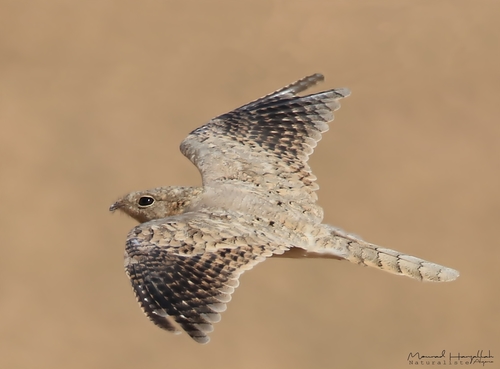 Succiacapre isabellino
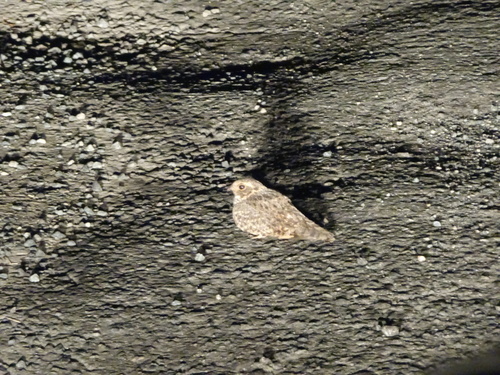 Savanna Nightjar
In breve
Il segno di campo più affidabile tra Succiacapre isabellino e Savanna Nightjar è il tono generale del piumaggio: Succiacapre isabellino è molto più chiaro, con parti inferiori sabbiose o bianche e una parte superiore color sabbia, leggermente macchiata, mentre Savanna Nightjar è nettamente più scuro e di un grigio-marrone più vermicolato. In volo, i maschi adulti di Savanna Nightjar mostrano macchie bianche sulla gola, sulla coda e sulle ali, che sono assenti o molto meno evidenti nel Succiacapre isabellino. I giovani e le femmine di Savanna Nightjar mancano di queste macchie bianche e possono essere confusi con il Succiacapre, ma quest'ultimo appare sempre più chiaro e uniforme. Anche la struttura aiuta: il Succiacapre isabellino ha ali relativamente più lunghe e una coda più lunga per le sue dimensioni, conferendogli un aspetto più elegante. Entrambe le specie sono criptiche a terra, ma l'habitat e l'areale raramente si sovrappongono. La voce è molto diversa, con il Succiacapre isabellino che emette un richiamo meccanico e ripetitivo, mentre il Savanna Nightjar è noto per il suo canto notturno forte e rimbombante.
Consigli di identificazione
- Overall color tone: Succiacapre isabellino è molto più chiaro, con parti inferiori sabbiose o bianche e parti superiori color sabbia, mentre Savanna Nightjar è più scuro, di un grigio-marrone più vermicolato. Questo è il segno più affidabile in tutte le età e sessi.
- White patches (adult males): I maschi di Savanna Nightjar mostrano macchie bianche audaci sulla gola, sulla coda e sulle ali; i maschi di Succiacapre isabellino possono avere piccole macchie bianche sulle ali ma mancano dell'estesa bianca di Savanna. Questo è diagnostico per i maschi adulti in buona luce o in volo.
- Female and juvenile confusion: Le femmine e i giovani di Savanna Nightjar mancano di macchie bianche sulla coda e hanno una tonalità rossastra, ma sono sempre più scuri e macchiati rispetto al Succiacapre isabellino. Il Succiacapre isabellino rimane chiaro e sabbioso in tutte le livree.
- Underpart color: Il Succiacapre isabellino ha parti inferiori sabbiose o bianche, in contrasto con le parti inferiori più scure e macchiate di Savanna Nightjar. Utile per gli uccelli in perching o visti dal basso.
- Tail and wing structure: Il Succiacapre isabellino ha ali relativamente più lunghe e una coda più lunga per le sue dimensioni, conferendo un aspetto più elegante e allungato, specialmente in volo. Savanna Nightjar può apparire più compatto o robusto.
- Facial pattern: Entrambi hanno facce criptiche, ma i maschi di Savanna Nightjar hanno una macchia bianca sulla gola, mentre il volto del Succiacapre isabellino è più uniforme e chiaro.
- Flight style: Il Succiacapre isabellino vola con battiti d'ala forti e deliberati e glissa, apparendo simile a una falena e silenzioso. Il volo di Savanna Nightjar è anche agile, ma non è descritto come particolarmente simile a una falena.
- Habitat context: Il Succiacapre isabellino si trova nel deserto aperto e nella steppa sabbiosa, mentre il Savanna Nightjar preferisce terreni rocciosi aperti, praterie o tetti urbani. Se visto nel vero deserto, è più probabile che sia il Succiacapre; in praterie urbane o rocciose, ci si aspetta il Savanna.
- Geographic range: Il Succiacapre isabellino è nativo del Nord Africa e del Medio Oriente; il Savanna Nightjar si trova nel Sud e nel Sud-est asiatico. I record al di fuori dell'areale sono rari e dovrebbero essere scrutinati.
- Vocalization: Il richiamo del Succiacapre isabellino è un "kroo-kroo-kroo…" meccanico e ripetitivo; il Savanna Nightjar emette un canto notturno forte e rimbombante. Se sentito, questo è diagnostico.
- Camouflage on ground: Il Succiacapre isabellino si mimetizza con i suoli sabbiosi chiari; il Savanna Nightjar è meglio mimetizzato su terreni rocciosi più scuri.
- Urban adaptation: Il Savanna Nightjar può essere trovato a nidificare su tetti urbani piani, un comportamento non registrato per il Succiacapre isabellino.
- Distraction display: I genitori di Savanna Nightjar possono fingere di essere feriti per distrarre i predatori dal nido; questo non è specificamente notato per il Succiacapre isabellino.
- Bill and gape: Entrambi hanno aperture ampie e setole rictali, ma questo non è un segno di campo affidabile per la separazione.
- Size: Il Savanna Nightjar può essere leggermente più grande e più robusto, ma la sovrapposizione è considerevole e non diagnostica sul campo.
Taglia
Il Savanna Nightjar è leggermente più grande in media, con un'apertura alare fino a 64 cm e una massa corporea che varia da 54 a 110 g (media 82,5 g) [wikidata], rispetto alla lunghezza di 25 cm e all'apertura alare di 55 cm del Succiacapre isabellino [wikipedia]. Il Succiacapre isabellino è descritto come di dimensioni medie-piccole e relativamente lungo nelle ali e nella coda per le sue dimensioni, mentre il Savanna Nightjar varia di più in dimensioni a seconda della sottospecie, da piccolo a medio-grande. Sul campo, la differenza è sottile e non sempre affidabile per la separazione, ma il Savanna Nightjar può apparire un po' più robusto, specialmente a distanza ravvicinata.
Piumaggio
- Juvenile/Immature birds: I giovani di entrambe le specie sono criptici, ma i giovani di Savanna Nightjar somigliano alle femmine adulte, mancando di macchie bianche e mostrando una colorazione maculata e più scura. I giovani di Succiacapre isabellino non sono descritti in dettaglio, ma la specie è sempre più chiara nel complesso, con parti inferiori sabbiose o bianche e meno contrasto.
- Adult males: I maschi di Savanna Nightjar hanno macchie bianche distinte sulla gola, sulla coda e sulle ali, che sono assenti o molto ridotte nel Succiacapre isabellino. I maschi di Succiacapre isabellino possono mostrare piccole macchie bianche sulle ali, ma queste sono molto meno evidenti.
- Adult females: Le femmine di Savanna Nightjar mancano di macchie bianche sulla coda, hanno solo macchie sulla gola sottili e mostrano una tonalità rossastra nelle piume; le femmine di Succiacapre isabellino rimangono più chiare e più uniformi, mancando di qualsiasi tonalità rossastra.
- General coloration: Il Succiacapre isabellino è sempre più chiaro, di colore sabbia sopra, con striature e barrature color crema e marrone, e parti inferiori sabbiose o bianche. Il Savanna Nightjar è più vermicolato, con un aspetto grigio-marrone, pesantemente maculato, che si fonde meglio con terreni o rocce più scure. Entrambi sono criptici, ma il Succiacapre isabellino è molto meglio mimetizzato su terreni sabbiosi chiari.
Comportamento
Entrambe le specie sono notturne e crepuscolari, nutrendosi principalmente di insetti volanti (specialmente falene) saltando dal suolo o da posatoi bassi. Il Succiacapre isabellino è descritto come che vola con battiti d'ala forti e deliberati alternati a planate, dando un volo simile a una falena e silenzioso. Il Savanna Nightjar caccia anche saltando, ma è noto per i suoi richiami notturni rimbombanti, specialmente nelle popolazioni urbanizzate. Entrambi nidificano a terra senza costruire un nido, facendo affidamento sulla mimetizzazione e sulle esibizioni di distrazione per proteggere le uova e i pulcini. I genitori di Savanna Nightjar sono noti per fingere di essere feriti per attirare i predatori lontano dal nido, un comportamento non specificamente menzionato per il Succiacapre isabellino.
Habitat
Il Succiacapre isabellino si trova nel deserto aperto, nella steppa sabbiosa e nella campagna secca con vegetazione scarsa, tipicamente in Nord Africa, Medio Oriente e parti del sud-ovest asiatico. Preferisce suoli sabbiosi ed è spesso vicino all'acqua o in aree con cespugli sparsi. Il Savanna Nightjar, al contrario, è nativo del Sud e del Sud-est asiatico, favorendo luoghi aperti ed esposti con suoli rocciosi, praterie o anche tetti urbani in alcune aree. I loro areali non si sovrappongono se non come vagabondi rari, e le loro preferenze di habitat sono distinte: il Succiacapre isabellino è uno specialista del deserto, mentre il Savanna Nightjar è più generalista e adattabile, inclusi gli ambienti urbani.
Voce
Il Succiacapre isabellino emette un richiamo meccanico e ripetitivo "kroo-kroo-kroo…", che sale e scende mentre l'uccello gira la testa. Questo è molto diverso dal Savanna Nightjar, che è famoso per i suoi forti richiami notturni rimbombanti che possono raggiungere fino a 90 decibel e sono spesso considerati un disturbo nelle aree urbane. Il canto del Savanna Nightjar è molto più potente e lontano, mentre il Succiacapre isabellino è più morbido e meccanico.
Succiacapre isabellino · Savanna Nightjar · I miei uccelli difficili