

Fiery-necked Nightjar vs Freckled Nightjar
Caprimulgus pectoralis contro Caprimulgus tristigma
Fai un quiz con Fiery-necked Nightjar e Freckled Nightjar
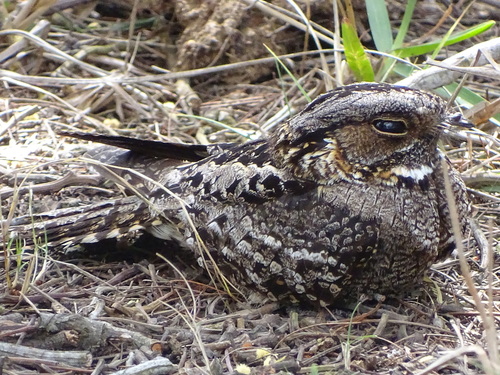 Fiery-necked Nightjar
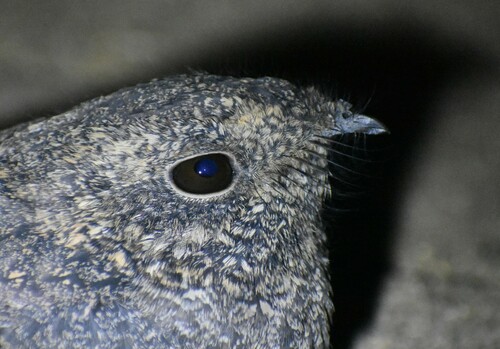 Freckled Nightjar
In breve
Il segno di campo più affidabile per separare il Fiery-necked Nightjar dal Freckled Nightjar è la presenza di un collare ruggine o fulvo distintivo sul Fiery-necked, che è completamente assente nel Freckled. In volo, entrambe le specie possono mostrare macchie bianche sulle primarie esterne e sulla coda, ma il motivo e l'estensione differiscono per sesso e specie. Strutturalmente, il Freckled Nightjar è notevolmente più grande e robusto, con ali più lunghe e una coda più corta, mentre il Fiery-necked è più piccolo e ha una coda più squadrata. L'habitat è anche un forte indizio: il Fiery-necked si trova nella savana boschiva, mentre il Freckled Nightjar preferisce affioramenti rocciosi e campi di massi. Entrambe le specie hanno un motivo criptico, ma viste ravvicinate rivelano i toni più caldi e il collare del Fiery-necked rispetto all'aspetto complessivamente più scuro e più macchiato del Freckled.
Consigli di identificazione
- Collare ruggine/fulvo (solo Fiery-necked): Cerca una banda calda, fulva o ruggine sulla nuca e sul collo posteriore. Il Freckled Nightjar non mostra mai questo segno; se presente, hai un Fiery-necked.
- Colore e motivo complessivi: Il Fiery-necked è più caldo e più variegato, con toni castano e fulvo, una corona chiara e macchie nere sulle scapole. Il Freckled è più scuro, più grigio-nero, con fine macchiatura chiara e senza toni caldi o collare.
- Macchia bianca sulla gola (Fiery-necked): Una grande macchia bianca e conspicua sulla gola è tipica del Fiery-necked e assente o molto meno distinta nel Freckled.
- Segni facciali: Il Fiery-necked ha castano attorno agli occhi e una corona chiara con una macchia centrale scura; il volto del Freckled è più semplice, fondendosi nel resto del piumaggio.
- Forma della coda: Il Fiery-necked ha una coda grossomodo quadrata; la coda del Freckled è più corta rispetto alla lunghezza delle ali, dando un aspetto più tozzo.
- Bianco nelle ali e nella coda (specifico per sesso): I maschi di entrambe le specie hanno macchie bianche sulle quattro primarie esterne e punte bianche sulle due piume esterne della coda, ma nel Fiery-necked queste sono più grandi e più evidenti. Le femmine di entrambe hanno macchie più piccole, più fulve o meno macchie bianche, ma solo le femmine del Fiery-necked mostrano del bianco nella coda; le femmine del Freckled mancano completamente di bianco nella coda.
- Motivo delle ali in perching: Quando sono in perching, le macchie bianche sulle ali sono generalmente nascoste in entrambe le specie, quindi non fare affidamento su questo segno a meno che l'uccello non sia in volo o si stia allungando.
- Contesto dell'habitat: Su rocce nude, massi o pendii rocciosi, sospetta il Freckled; nella lettiera di foglie boschive o sotto gli alberi, sospetta il Fiery-necked.
- Dimensioni e struttura: Il Freckled è notevolmente più grande e robusto, con ali più lunghe e una coda più corta. Il Fiery-necked è più piccolo, più leggero e più proporzionato.
- Stile di camuffamento: Il Freckled si fonde perfettamente con le rocce grazie al suo piumaggio macchiato, grigio-nero; il Fiery-necked è meglio camuffato nella lettiera di foglie, con i suoi toni più caldi e maculati.
- Comportamento: Il Freckled spesso si posa in siti rocciosi esposti e aperti e fa brevi voli; il Fiery-necked è più segreto e vive a terra nel bosco.
- Becco e setole rictali: Il Fiery-necked ha lunghe setole rictali chiare attorno al becco, ma questo è raramente diagnostico sul campo a meno che non venga visto molto da vicino.
- Dimorfismo sessuale: Se puoi vedere l'estensione del bianco nelle ali e nella coda, ricorda che le femmine di entrambe le specie hanno meno bianco, ma solo le femmine del Fiery-necked mostrano del bianco nella coda.
- Piumaggio giovanile: Non sono descritti motivi distintivi di piumaggio giovanile per nessuna delle due specie, quindi concentrati sui segni degli adulti.
- Vocalizzazione: Non descritta nelle note fornite, quindi non fare affidamento sulla voce per la separazione qui.
Taglia
Il Freckled Nightjar è sostanzialmente più pesante (79g contro 54g) e appare più grande e più robusto rispetto al Fiery-necked Nightjar. Il Freckled ha anche ali più lunghe e una coda relativamente più corta, conferendogli un aspetto più ampio e con coda corta in volo o a riposo. Il Fiery-necked è più piccolo nel complesso, con un profilo più bilanciato e con coda quadrata. Se vedi due nightjar insieme, la differenza di dimensioni e volume è ovvia, ma fai attenzione agli uccelli solitari dove la dimensione è più difficile da giudicare.
Piumaggio
Non sono descritti motivi distintivi di piumaggio giovanile o immaturo per nessuna delle due specie, quindi l'attenzione è rivolta al piumaggio adulto. Il Fiery-necked Nightjar ha un unico collare ruggine o fulvo sulla nuca, una grande macchia bianca sulla gola e piumaggio castano attorno agli occhi e alle spalle. Il suo piumaggio è variegato grigio-marrone con macchie nere lungo le scapole e una corona chiara con una macchia centrale scura. I maschi hanno macchie bianche sulle quattro primarie esterne e punte bianche sulle due piume esterne della coda; le femmine hanno macchie più piccole, più fulve e meno bianco nella coda. Il Freckled Nightjar non ha alcun collare o forti segni facciali, apparendo grigio scuro o quasi nero a distanza, con fine macchiatura bianca, cannella e fulva sulle parti superiori. Le parti inferiori sono marrone scuro con barre chiare. In volo, i maschi mostrano piccole macchie bianche sulle quattro primarie esterne e punte bianche sulle due piume esterne della coda; le femmine hanno 3-4 macchie bianche più piccole sulle primarie e nessun bianco nella coda. Quando sono in perching, le macchie bianche sono solitamente nascoste. Il piumaggio del Freckled Nightjar è adattato per il camuffamento sulle rocce, mentre il Fiery-necked si fonde nella lettiera di foglie boschive.
Comportamento
Il Freckled Nightjar è tipicamente visto posato su rocce o massi, spesso in siti aperti ed esposti, e si nutre facendo brevi voli da questi posatoi. Il suo volo è forte e diretto, adatto a paesaggi rocciosi aperti. Il Fiery-necked Nightjar è più probabile trovarlo a terra nel bosco o al margine delle radure, e il suo comportamento è meno legato agli habitat rocciosi. Entrambi sono crepuscolari e notturni, ma la loro scelta di substrato di posatoio e stile di foraggiamento può essere un indizio.
Habitat
Il Fiery-necked Nightjar si trova nelle savane boschive e nei boschi decidui, raramente avventurandosi in terreni rocciosi o aperti. Il Freckled Nightjar, al contrario, è uno specialista degli affioramenti rocciosi, dei campi di massi e delle pendici rocciose, spesso lontano da boschi densi. Se trovi un nightjar su rocce nude o massi, è molto più probabile che sia un Freckled; se nella lettiera di foglie o su terreno boschivo, il Fiery-necked è il default.
Fiery-necked Nightjar · Freckled Nightjar · I miei uccelli difficili