

Dendrocigna fulva vs Gabbiano reale
Dendrocygna bicolor contro Larus michahellis
Fai un quiz con Dendrocigna fulva e Gabbiano reale
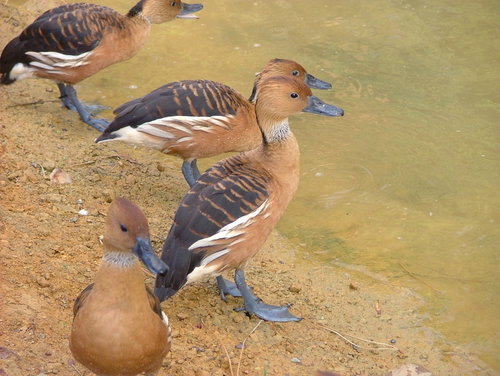 Dendrocigna fulva
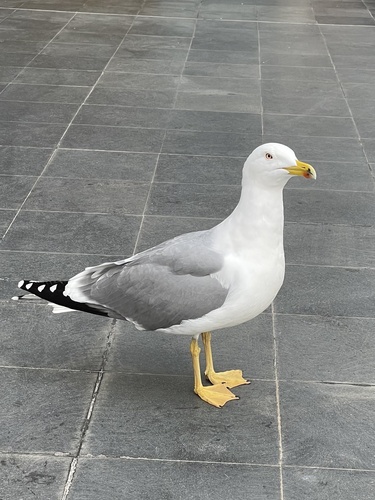 Gabbiano reale
In breve
La separazione più affidabile sul campo è la struttura generale e il modello di volo: Dendrocigna fulva è un'anatra con lunghe gambe e collo, di colore marrone rossiccio con un crescente bianco sul dorso e una coda nera in volo, mentre il Gabbiano reale è un grande gabbiano dalle ali larghe con gambe gialle, parti superiori grigie e punte delle ali bianche e nere. Le piume giovanili e immature sono molto diverse: i giovani Dendrocigna fulva sono di un marrone più opaco con parti inferiori chiare, mentre i Gabbiani reali di un anno presentano un motivo pesante di grigio-marrone con una banda scura sulla coda e penne da volo scure. La forma del becco e il colore delle gambe sono anche chiave: l'anatra ha un becco lungo, grigio e piatto e gambe grigie; il gabbiano ha un becco spesso e ricurvo e gambe gialle (adulte) o rosa (immature). L'habitat e il comportamento li separano ulteriormente: Dendrocigna fulva è uno specialista delle zone umide, spesso visto in vegetazione densa o volando in sciami sciolti, mentre il Gabbiano reale è un generalista costiero e urbano, spesso in volo o a riposo in aree aperte.
Consigli di identificazione
- Modello delle ali e della coda giovanile/immatura: Il Gabbiano reale di un anno mostra una banda scura sulla coda, penne da volo scure e ali superiori macchiate di marrone; i giovanili Dendrocigna fulva sono molto più semplici, con ali marroni uniformi e un crescente bianco sul dorso in volo. Questo è il segno più affidabile per gli immaturi.
- Crescente bianco sul dorso (tutte le età, anatra): In volo, Dendrocigna fulva mostra sempre un crescente bianco sul dorso e una coda nera, mai eguagliato dal gabbiano.
- Modello delle ali (adulto): Il Gabbiano reale adulto ha punte nere con piccole macchie bianche e ali superiori grigie; Dendrocigna fulva ha ali superiori marroni senza bianco nell'ala.
- Colore delle gambe: Il Gabbiano reale adulto ha gambe gialle (immaturi rosa-grigi); Dendrocigna fulva ha gambe grigie a tutte le età.
- Forma e colore del becco: L'anatra ha un becco lungo, piatto e grigio; il gabbiano ha un becco spesso e ricurvo (giallo con macchia rossa nell'adulto, scuro negli immaturi).
- Testa e collo: Dendrocigna fulva ha una testa e un collo di un ricco colore buffo con una striscia scura lungo la parte posteriore del collo; il Gabbiano reale ha una testa bianca o chiara (adulto) o marrone maculato (immaturo), mai con una striscia sul collo.
- Colore della corona (giovanile): Il giovanile Dendrocigna fulva non ha mai una corona scura; gli immaturi del Gabbiano reale possono apparire con una corona più scura ma sono sempre molto più maculati nel complesso.
- Forma del corpo e postura: L'anatra ha un collo lungo, gambe lunghe e spesso sta dritta; il gabbiano è più massiccio, con collo più corto e sta più orizzontalmente.
- Stile di volo: Dendrocigna fulva vola con battiti d'ali lenti e superficiali e lunghe gambe che seguono; il Gabbiano reale vola e plana frequentemente, con ali più larghe e gambe più corte.
- Habitat: L'anatra è quasi sempre in o vicino a vegetazione densa delle zone umide; il gabbiano si trova in aree aperte, coste, città e persino discariche interne.
- Voce: L'anatra emette un richiamo chiaro e fischiante; il gabbiano emette grida forti e aspre.
- Colore della piumatura: L'anatra è complessivamente marrone rossiccio con toni buffi; il gabbiano è grigio e bianco da adulto, marrone e bianco da immaturo.
- Differenze di sesso e età: La femmina di Dendrocigna fulva è leggermente più piccola e opaca rispetto al maschio, ma questo è sottile; i gabbiani mostrano cambiamenti di piumaggio legati all'età più evidenti.
- Contesto: Se visto in un gruppo di anatre che si alimentano, è probabile che sia l'anatra; se tra altri gabbiani o a caccia, è il gabbiano.
- Trappole: Viste da lontano o retroilluminate possono far apparire l'anatra più scura, ma il crescente bianco sul dorso e il lungo collo/gambe sono ancora buoni indizi. I gabbiani immaturi possono essere confusi con altri grandi gabbiani, ma non mostrano mai la struttura o lo stile di volo dell'anatra.
Taglia
Dendrocigna fulva è un'anatra di dimensioni medie, con una massa corporea media di circa 682 g [wikidata]. Il Gabbiano reale è generalmente più grande e pesante, con adulti che variano da 550 a 1.600 g [wikipedia], e notevolmente più lungo in lunghezza totale (52–68 cm contro 45–53 cm per l'anatra). Sul campo, il gabbiano appare più massiccio, con un'apertura alare più lunga (120–155 cm contro 85–93 cm per l'anatra), ali più larghe e una costruzione più robusta. Tuttavia, alcune femmine di gabbiano possono avvicinarsi alla dimensione dell'anatra, quindi la struttura e le proporzioni sono più affidabili della dimensione da sola.
Piumaggio
Le piume giovanili e immature sono le più diagnostiche:
-
Il giovanile Dendrocigna fulva è una versione più opaca e chiara dell'adulto, con parti inferiori buffe e un aspetto generalmente marrone uniforme. In volo, tutte le età mostrano un distintivo crescente bianco sul dorso che contrasta con una coda nera, e ali superiori marroni senza bianco nell'ala. La corona non è mai scura e il collo ha una striscia scura lungo la schiena [wikipedia].
-
Il Gabbiano reale di un anno è molto più maculato: complessivamente grigio-marrone con una testa e parti inferiori più chiare, penne da volo scure e una ben definita banda nera sulla coda. Le ali superiori sono macchiate e il dorso è chiaro. Nella seconda inverno, il gabbiano diventa più chiaro sotto, ma mostra ancora copritrici delle ali maculate e una punta nera del becco. Gli adulti sono grigi sopra, bianchi sotto, con punte nere e gambe gialle, e una macchia rossa sul becco. In volo, gli adulti mostrano primarie nere con piccole macchie bianche, ali superiori grigie e una coda bianca.
-
L'adulto Dendrocigna fulva è di un ricco marrone rossiccio con una testa e un collo buffi, penne da volo marroni scure e un crescente bianco sul dorso. Il becco e le gambe sono grigi. Non c'è un modello di punte nere e bianche come nel gabbiano.
Comportamento
Dendrocigna fulva è tipicamente vista in o vicino a vegetazione densa delle zone umide, spesso in coppie o sciami sciolti, e si nutre immergendosi o pascolando su materiale vegetale. In volo, mostra una silhouette con collo dritto e gambe lunghe, spesso con battiti d'ali lenti e superficiali. Il Gabbiano reale è molto più versatile: è spesso visto volare, planare o riposare in aree aperte, comprese coste, porti, città e discariche. I gabbiani sono opportunistici, spesso a caccia o predatori, e possono essere visti in grandi gruppi rumorosi. L'anatra raramente si allontana molto dall'acqua o da coperture dense, mentre il gabbiano è a suo agio in una vasta gamma di habitat aperti.
Habitat
Dendrocigna fulva è uno specialista delle zone umide, trovato in regioni tropicali e subtropicali, preferendo laghi poco profondi, paludi, campi di riso e aree con vegetazione acquatica densa [wikipedia]. È raramente trovato lontano dall'acqua o in aree urbane. Il Gabbiano reale, al contrario, è un generalista in Europa, Medio Oriente e Nord Africa, trovato lungo le coste, laghi interni, fiumi, città e persino nidificando su edifici o alberi. Se vedi un uccello in una città, su una discarica o che vola sopra terreni aperti, è quasi certamente il gabbiano; un uccello in una palude o in un campo di riso è probabilmente l'anatra.
Voce
Dendrocigna fulva emette un richiamo chiaro e fischiante 'kee-wee-ooo', udibile sia in volo che a terra, ed è generalmente rumorosa, specialmente di notte. Gli uccelli che litigano emettono un 'kee' aspro e ripetuto. I richiami sono distintivi e molto diversi da qualsiasi gabbiano. Il Gabbiano reale emette grida e latrati tipici, non fischi. Se senti un fischio chiaro e musicale, è l'anatra; se senti richiami rauchi, ridacchianti o urlanti, è il gabbiano.
Dendrocigna fulva · Gabbiano reale · I miei uccelli difficili