

Green-backed Camaroptera vs Black-faced Apalis
Camaroptera brachyura contro Apalis personata
Fai un quiz con Green-backed Camaroptera e Black-faced Apalis
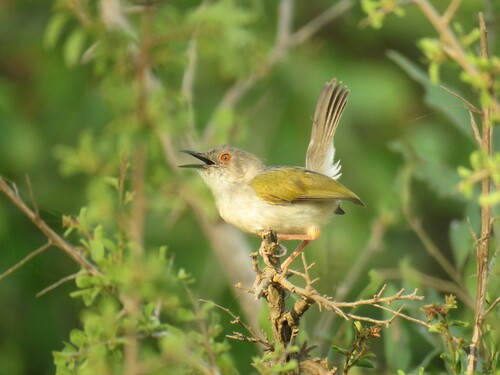 Green-backed Camaroptera
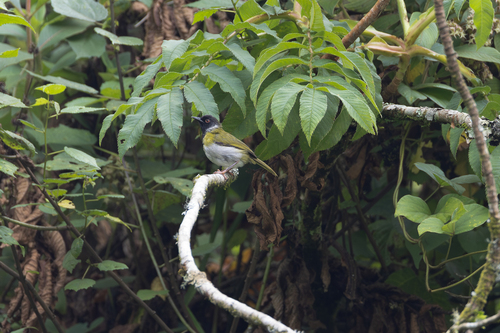 Black-faced Apalis
In breve
Il segno distintivo più affidabile tra Green-backed Camaroptera e Black-faced Apalis è la presenza di una maschera nera distintiva sul volto del Black-faced Apalis, che è completamente assente nel Green-backed Camaroptera. Entrambi sono piccoli, warbler verdognoli, ma il Camaroptera mostra parti superiori verdi uniformi e manca di qualsiasi maschera facciale, mentre l'Apalis è contrassegnato da un sorprendente volto nero e parti inferiori contrastanti. I giovani Camaroptera possono essere di un giallo più chiaro sotto, ma non mostrano mai una maschera facciale. Entrambe le specie sono simili in dimensioni e possono essere trovate in vegetazione densa, ma le loro differenze di piumaggio—specialmente intorno al volto—sono la chiave per la separazione.
Consigli di identificazione
- Il motivo del volto è decisivo: Il Black-faced Apalis mostra sempre una maschera nera audace; il Green-backed Camaroptera mai. Se vedi una maschera nera, è Apalis.
- Colore delle parti superiori: Il Camaroptera ha parti superiori verdi uniformi e ali olive, mentre l'Apalis è meno verde e più contrastante, specialmente intorno al volto.
- Parti inferiori: Le parti inferiori del Camaroptera sono grigio-biancastre, con i giovani che mostrano un lavaggio giallo più chiaro sul petto. L'Apalis ha parti inferiori più chiare ma la maschera facciale domina l'impressione.
- Giovane Camaroptera: Cerca un petto giallastro più chiaro nei giovani uccelli, ma ancora senza maschera facciale. Il giovane Apalis non è descritto, ma l'assenza di una maschera sarebbe inaspettata.
- Nessun indizio di ali o volo: Nessuna delle due specie è descritta come avente segni distintivi sulle ali superiori o sul volo in nessuna età, quindi non fare affidamento sul modello in volo per la separazione.
- La dimensione non è utile: Entrambi sono piccoli warbler, con solo 1g di differenza nella massa. Ignora la dimensione come separatore.
- Sessi simili nel Camaroptera: Sia il maschio che la femmina del Camaroptera si somigliano, quindi le marcature facciali non sono una caratteristica basata sul sesso.
- Contesto dell'habitat: Se sei in una foresta montana, specialmente nel Rift Albertino, sospetta il Black-faced Apalis. In cespugli o macchie dense di pianura, il Camaroptera è più probabile.
- Comportamento: Il Camaroptera è più probabile che venga visto muoversi in basso in copertura densa, raramente all'aperto. L'Apalis può essere più attivo nei livelli medi della foresta.
- Posizione del nido (se osservato): Il Camaroptera lega insieme foglie basse nei cespugli per il nido—unico se vedi questo comportamento.
- Nessun indizio vocale affidabile: Non sono descritte vocalizzazioni qui; non fare affidamento su canto o richiamo per la separazione basata su queste note.
- Nessuna confusione stagionale o basata sul sesso: Entrambe le specie sono residenti e non hanno cambiamenti di piumaggio stagionali descritti che causerebbero confusione.
- Trappola del quiz: La principale confusione deriva da dimensioni simili e toni verdognoli, ma la maschera facciale (o la sua assenza) è sempre il miglior controllo.
- Quando hai dubbi: Se non riesci a vedere bene il volto, cerca il contesto—cespuglio denso di pianura (Camaroptera) vs. foresta montana (Apalis).
Taglia
Entrambe le specie sono molto simili in dimensioni, con il Green-backed Camaroptera che pesa in media 10.0g e il Black-faced Apalis 11.0g [wikidata]. Sul campo, questa differenza è trascurabile; entrambi appaiono come piccoli warbler attivi. La lunghezza non è fornita per l'Apalis, ma il Camaroptera è lungo circa 11.5 cm [wikipedia]. La struttura non è un separatore affidabile basato sulle informazioni disponibili.
Piumaggio
- Giovani/uccelli immaturi: I giovani Green-backed Camaroptera sono di un giallo più chiaro sul petto, ma altrimenti somigliano agli adulti con parti superiori verdi e ali olive. Non c'è menzione di un modello distintivo di ali o volo per nessuna delle due specie, quindi i segni specifici per l'età sulle ali superiori non sono diagnostici qui.
- Adulti: Il Green-backed Camaroptera mostra parti superiori verdi, ali olive e parti inferiori grigio-biancastre, senza marcature facciali. Il Black-faced Apalis (apalis mascherato montano) è definito da una maschera nera audace, in contrasto con parti inferiori più chiare e presumibilmente meno verdi nel complesso (anche se il colore esatto delle parti superiori non è dettagliato qui). Entrambi i sessi del Camaroptera sembrano simili, mentre l'Apalis è nominato per la sua maschera facciale, che è presente negli adulti.
- Contrasto chiave: La maschera nera del volto dell'Apalis è la differenza più ovvia in tutte le età tranne forse per i giovani (non descritti), mentre il Camaroptera manca sempre di qualsiasi modello facciale.
Comportamento
Il Green-backed Camaroptera è descritto come una specie schiva, tipicamente trovata bassa in copertura densa e spesso che lega insieme foglie per il nido [wikipedia]. Non c'è nota comportamentale specifica per il Black-faced Apalis, ma entrambi sono piccoli warbler insettivori della stessa famiglia, quindi il comportamento generale di foraggiamento è probabilmente simile. Il Camaroptera può essere più riservato e meno probabile da vedere all'aperto.
Habitat
Il Green-backed Camaroptera è un riproduttore residente in Africa a sud del Sahara, trovato in copertura densa e vegetazione bassa [wikipedia]. Il Black-faced Apalis è nativo delle foreste montane del Rift Albertino, suggerendo una preferenza per habitat forestali a elevazione più alta. Nelle zone di sovrapposizione, il Camaroptera è più probabile nei cespugli e nella macchia di pianura, mentre l'Apalis è legato alla foresta montana.
Green-backed Camaroptera · Black-faced Apalis · I miei uccelli difficili