

Pivieressa vs Piviere americano
Pluvialis squatarola contro Pluvialis dominica
Fai un quiz con Pivieressa e Piviere americano
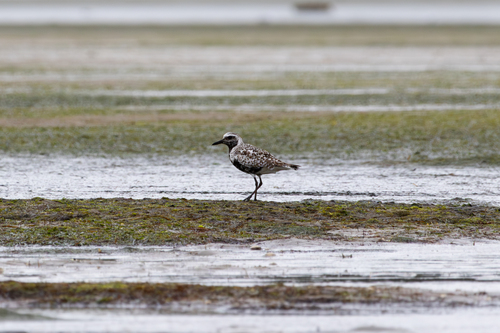 Pivieressa
 Piviere americano
In breve
Il segno distintivo più affidabile tra Pivieressa e Piviere americano è il colore della parte inferiore dell'ala in volo: la Pivieressa di tutte le età mostra ascelle nere sorprendenti (piume delle ascelle), mentre il Piviere americano ha ascelle grigie chiare. Questo segno è visibile in volo ed è diagnostico per tutte le età e stagioni. Strutturalmente, la Pivieressa è notevolmente più robusta con un becco più grande e pesante, mentre il Piviere americano è più snello e delicato. In abito nuziale, entrambi hanno facce e pance nere, ma la Pivieressa ha un sopracciglio e una coda bianchi con barre nere, mentre il Piviere americano mostra parti superiori macchiate d'oro e una corona e nuca bianche. Gli uccelli non in riproduzione e immaturi sono più simili, ma il motivo della parte inferiore dell'ala e la dimensione del becco rimangono affidabili.
Consigli di identificazione
- Colore della parte inferiore dell'ala in volo (tutte le età): La Pivieressa mostra sempre ascelle nere (piume delle ascelle) e parte inferiore dell'ala interna; il Piviere americano ha ascelle grigie chiare. Questo è il segno distintivo più affidabile, specialmente per gli immaturi e gli uccelli non in riproduzione.
- Dimensione e forma del becco: La Pivieressa ha un becco notevolmente più grande e pesante (24–34 mm) che appare spesso e con punta smussata; il becco del Piviere americano è più piccolo e fine. Questo è visibile sia a riposo che in volo.
- Struttura generale: La Pivieressa è più robusta e robusta, con un collo più spesso e un corpo più pesante. Il Piviere americano è più snello, più delicato e relativamente con le gambe più lunghe per la sua taglia.
- Abito nuziale (primavera/estate): Entrambi hanno facce nere, colli, petti e pance, ma il nero della Pivieressa è bordato di bianco e il sopracciglio e la coda sono bianchi con barre nere. Il Piviere americano ha una corona e nuca bianche, parti superiori macchiate d'oro e il nero sulle parti inferiori è più solido ed esteso nei maschi.
- Abito non in riproduzione/giovanile: Entrambi diventano più semplici sopra e più chiari sotto, ma la Pivieressa rimane più grande e mostra ascelle nere in volo. Il Piviere americano mostra un sopracciglio biancastro ed è più uniformemente marrone sopra.
- Coda e sopracciglio: Il sopracciglio e la coda bianchi della Pivieressa con barre nere sono visibili in volo e quando si puliscono; il Piviere americano non presenta questo forte contrasto tra sopracciglio e coda.
- Proiezione primaria: Non dettagliata nelle fonti per questi due, ma il Piviere americano è descritto come avente una proiezione primaria relativamente lunga rispetto al Piviere dorato europeo.
- Colore delle gambe: Entrambi hanno gambe scure; non utile per la separazione.
- Contesto dell'habitat: Sulle coste eurasiatiche, un grande piviere su fanghi è più probabile sia la Pivieressa; il Piviere americano è più spesso nell'entroterra o su terreni più asciutti, specialmente durante la migrazione.
- Tempistiche di migrazione: Il Piviere americano muta più tardi (settembre-ottobre) rispetto al Piviere orientale, ma questo non è un criterio di separazione dalla Pivieressa.
- Dimorfismo sessuale: La femmina in riproduzione del Piviere americano è meno estensivamente nera sotto rispetto al maschio; i sessi della Pivieressa sono simili in abito nuziale.
- Insidie con gli immaturi: Gli abiti di primo inverno e giovanili sono molto simili in entrambe le specie, specialmente a terra. Cerca sempre di vedere la parte inferiore dell'ala in volo per conferma.
- Dimensione in stormi misti: Se entrambe le specie sono presenti, la Pivieressa si distinguerà come l'uccello più grande e robusto.
- Bordi del piumaggio nei giovanili: Il giovanile Pivieressa ha parti superiori più nere con bordi piumati cremosi; i giovanili del Piviere americano sono più marroni e macchiati d'oro sopra.
- Voce: Non trattato nelle fonti, quindi non affidabile per la separazione qui.
Taglia
La Pivieressa è l'uccello più grande e pesante: misura 27–30 cm di lunghezza con un'apertura alare di 71–83 cm e può pesare fino a 280 g (a volte di più prima della migrazione). Il Piviere americano è più piccolo e leggero, con una lunghezza di 24–28 cm, apertura alare di 65–67 cm e una massa tipica di circa 145 g. La Pivieressa appare più robusta e massiccia, con un becco notevolmente più spesso. Il Piviere americano è più snello, con un becco più piccolo e fine e gambe relativamente più lunghe per la sua taglia.
Piumaggio
- Giovanile e Primo inverno (tutte le età in volo): La Pivieressa mostra sempre ascelle nere e parte inferiore dell'ala interna, una caratteristica unica tra i piviere del genere Pluvialis. Il Piviere americano ha ascelle grigie chiare. Questo è il segno più affidabile in volo per tutti gli uccelli non adulti.
- Abito nuziale (primavera/estate): Entrambe le specie hanno facce nere, colli, petti e pance. La Pivieressa ha un bordo bianco attorno alla faccia nera e un sopracciglio e una coda bianchi con barre nere. Il Piviere americano ha una corona e nuca bianche che si estendono lungo il lato del collo, e il suo dorso è segnato da macchie d'oro. La femmina del Piviere americano è meno estensivamente nera sotto.
- Abito non in riproduzione (inverno): Entrambe le specie diventano più semplici sopra e più chiare sotto. La Pivieressa è grigia uniforme sopra con un petto grigio macchiato e una pancia bianca; il Piviere americano è grigio-marrone sopra e chiaro sotto, con un sopracciglio biancastro distintivo. Il giovanile Pivieressa è più scuro sopra con bordi piumati cremosi, ma mostra ancora ascelle nere in volo.
- Coda e sopracciglio: La Pivieressa ha un sopracciglio e una coda bianchi con barre nere; il Piviere americano non mostra un tale contrasto marcato tra sopracciglio e coda.
Comportamento
Non sono state notate forti differenze comportamentali nelle fonti per la separazione sul campo. Entrambe le specie sono migratori a lungo raggio e possono essere viste singolarmente o in gruppi sciolti su terreni aperti o fanghi. La Pivieressa può apparire più deliberata e meno attiva rispetto al più agile e snello Piviere americano, ma questo è sottile.
Habitat
La Pivieressa è quasi ovunque nel mondo su fanghi costieri e estuari al di fuori della stagione di riproduzione, mentre il Piviere americano è più probabile trovarsi su tundra aperta e più asciutta durante la riproduzione e migra attraverso praterie o campi agricoli. Durante la migrazione e nei terreni invernali, entrambe possono verificarsi su pianure aperte, ma la Pivieressa è più strettamente costiera, specialmente in Eurasia.