
Lanario vs Sacro
Falco biarmicus contro Falco cherrug
Fai un quiz con Lanario e Sacro
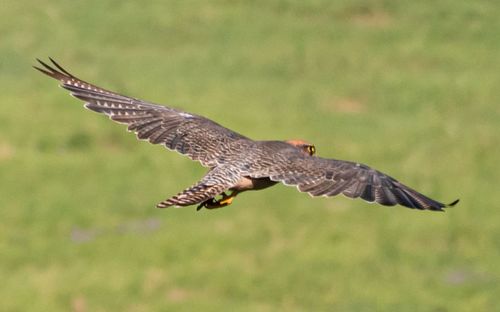 Lanario
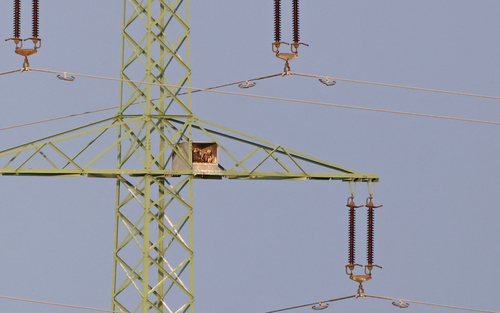 Sacro
In breve
Il segno distintivo più affidabile tra il Lanario e il Sacro è la struttura generale e il motivo della testa: il Sacro è decisamente più robusto e pesante, con una corona più chiara e segni della testa meno definiti, mentre il Lanario mostra una nuca rossastra e un contrasto facciale più chiaro. Gli uccelli immaturi sono particolarmente confusi, poiché i giovani Lanari possono assomigliare molto ai Sacri nei loro toni marroni e nelle parti inferiori striate, ma i Sacri sono sempre più grandi e robusti. In volo, le ali del Sacro sono più ampie e potenti, mentre il Lanario è più snodato e agile. Prestare attenzione al colore della testa, alle dimensioni e allo stile di volo è fondamentale, specialmente per i giovani.
Consigli di identificazione
- Dimensioni e robustezza: Il Sacro è sempre più grande, pesante e costruito in modo più potente rispetto al Lanario. Se vedi un falco che sembra particolarmente grande e massiccio, specialmente nel petto e nelle ali, sospetta il Sacro.
- Motivo della testa (tutte le età): Il Lanario mostra una nuca rossastra e un motivo facciale più nettamente definito, specialmente una chiara striscia moustachiale e una guancia chiara. La corona del Sacro è più chiara, sfumando nella nuca, e il viso è meno contrastante.
- Confusione nei giovani: I giovani Lanari possono sembrare molto simili ai Sacri, essendo marroni e striati, ma cerca la nuca rossastra (anche se debole) e un motivo della testa più definito per il Lanario. I giovani Sacri sono più scuri, più pesantemente striati e hanno una testa più chiara e meno marcata.
- Colore delle parti superiori: Il Lanario (eurasiatico) è grigio ardesia o marrone-grigio sopra; gli uccelli africani sono di un blu-grigio più chiaro. Il Sacro è più marrone e meno bluastro, con toni più variabili ma mai blu-grigi come alcuni Lanari.
- Petto e parti inferiori: Entrambi possono essere striati, ma il Sacro è solitamente più pesantemente striato sotto, specialmente da giovane. Le striature del Lanario sono più fini e meno estese.
- Silhouette in volo: Le ali del Sacro sono più ampie e a forma di pala, con un volo più pesante e potente. Il Lanario è più snodato, con ali più strette e uno stile di volo più agile e galleggiante.
- Aspetto in perching: Il Sacro appare più massiccio, con un petto più spesso e un becco più pesante. Il Lanario è più elegante e leggero, con una coda più lunga rispetto al corpo.
- Differenze sessuali: Entrambi i sessi sono simili nel piumaggio, ma le femmine dei Sacri sono particolarmente grandi e imponenti, a volte paragonabili a un piccolo Falco di Gyr in dimensioni.
- Voce: Se udito, il Lanario emette un duro "wray-e"; il Sacro emette un "kiy-ee" più acuto e ripetuto o "kyak-kyak-kyak".
- Habitat e distribuzione: In Africa, un grande falco è quasi certamente un Lanario. In Asia centrale o nell'Europa orientale, entrambi possono verificarsi, ma il Sacro è più probabile nelle steppe aperte e nelle regioni più secche, il Lanario nella savana o nei prati.
- Migrazione: Il Sacro è più probabile che venga visto in migrazione o in inverno lontano dalle aree di nidificazione; il Lanario è solitamente residente o dispersivo localmente.
- Variabilità del piumaggio: Il Sacro è più variabile nel colore, ma non mostra mai la nuca rossastra del Lanario. Fai attenzione ai Sacri pallidi e ai Lanari scuri, specialmente tra i giovani.
- Uccelli da falconeria: Gli ibridi e gli uccelli da falconeria fuggiti possono complicare l'identificazione, specialmente in Europa e in Medio Oriente. Cerca prima indizi strutturali e il motivo della testa.
- Indizi contestuali: Se visti con altri grandi falchi, confronta direttamente dimensioni e motivo della testa. Quando sono soli, usa una combinazione di dimensioni, struttura e colore della testa.
- Quando hai dubbi: Per viste distanti o brevi, dai priorità alla robustezza complessiva (Sacro) rispetto all'eleganza (Lanario), e cerca la nuca rossastra e il contrasto facciale per il Lanario, la corona più chiara e la robustezza per il Sacro.
Taglia
Il Sacro è notevolmente più grande e pesante del Lanario. Il Sacro misura 45–57 cm di lunghezza con un'apertura alare di 97–126 cm e una massa media adulta di circa 1000 g, mentre il Lanario è più piccolo con una lunghezza di 43–50 cm e un'apertura alare di 95–105 cm (nessun dato sulla massa, ma costantemente più leggero in mano e sul campo). La costruzione del Sacro è più robusta e potente, specialmente nel petto e nelle ali, mentre il Lanario è più snodato e leggero. Questa differenza è più evidente quando entrambe le specie sono viste insieme o con un riferimento di dimensione.
Piumaggio
- Giovani/immaturi: Entrambe le specie hanno parti superiori marroni e parti inferiori striate, ma i giovani Lanari sono generalmente più chiari e hanno una nuca rossastra, mentre i Sacri sono più scuri, più pesantemente striati e mancano dei toni rossastri. I giovani Sacri hanno una corona più chiara e segni della testa meno distinti, mentre i giovani Lanari mostrano un motivo facciale più definito e una nuca rossastra. In volo, non è descritto alcun pannello unico sulla parte superiore dell'ala o un motivo a 'W' per nessuno dei due, ma l'ala complessiva del Sacro è più ampia e di colore più solido, mentre quella del Lanario è più stretta e più agile.
- Adulti: I Lanari adulti (specialmente gli uccelli eurasiatici) hanno parti superiori grigio ardesia o marrone-grigio e una nuca rossastra, con petti striati nelle forme settentrionali. I Sacri sono complessivamente più marroni, con striature variabili ma generalmente più pesanti sotto e una testa più chiara e meno marcata. Il motivo della testa del Lanario è più netto e contrastante, mentre quello del Sacro è sbiadito e pallido. Entrambi i sessi sono simili in ciascuna specie, ma la differenza di dimensioni tra i sessi del Sacro è più pronunciata.
Comportamento
I Lanari sono cacciatori agili e veloci, spesso visti in campagna aperta a inseguire rapidamente le prede. Il loro volo è più galleggiante e flessibile, con frequenti battiti d'ali e planate. I Sacri sono più potenti e diretti, utilizzando battiti d'ali forti e costanti e un volo in planata, apparendo spesso più pesanti e meno manovrabili. I Sacri sono migratori parziali, con alcune popolazioni che si spostano per lunghe distanze, mentre i Lanari sono per lo più residenti con dispersione locale. Entrambe le specie sono utilizzate nella falconeria, ma la robustezza e la forza del Sacro sono preferite per prede più grandi.
Habitat
I Lanari preferiscono habitat aperti come savana, praterie e semi-deserto, principalmente in Africa e in alcune parti dell'Europa meridionale e dell'Asia. Si trovano più spesso in campagna aperta, a volte vicino ai margini delle foreste ma raramente in profondità nel bosco. I Sacri nidificano dall'Europa centrale alla Manciuria, preferendo steppe aperte, praterie e regioni semi-aride, e sono più probabili in habitat continentali e più secchi. Il Sacro è migratore parziale, con alcune popolazioni che svernano lontano dalle aree di nidificazione, mentre il Lanario è più sedentario. Può verificarsi sovrapposizione nel sud-est dell'Europa e in alcune parti dell'Asia, ma il Sacro è assente dalla maggior parte dell'Africa.
Voce
Il Lanario emette un duro richiamo "wray-e", che è piuttosto diverso dal "kiy-ee" acuto del Sacro o dal ripetuto "kyak-kyak-kyak". Entrambi sono forti e aspri, ma il richiamo del Sacro è più penetrante e ripetuto, mentre quello del Lanario è più ruvido e meno regolare. La voce è raramente diagnostica a distanza, ma può aiutare se gli uccelli vocalizzano vicino al nido o in mostra.