

Zigolo minore vs Zigolo boschereccio
Emberiza pusilla contro Emberiza rustica
Fai un quiz con Zigolo minore e Zigolo boschereccio
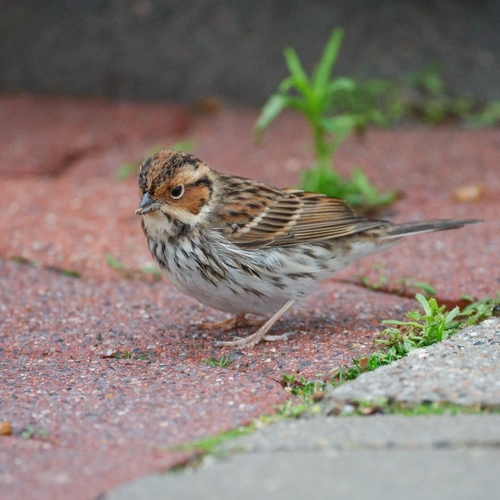 Zigolo minore
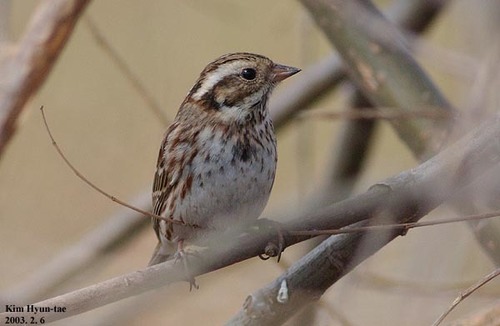 Zigolo boschereccio
In breve
Il segno distintivo più affidabile tra Zigolo minore e Zigolo boschereccio è il motivo della testa: Zigolo minore mostra sempre un fine anello oculare bianco, strisce nere sulla corona e una macchia guanciale castana ben definita con una striscia malare bianca, mentre Zigolo boschereccio manca dell'anello oculare e presenta invece un volto marrone più diffuso con un supercilio biancastro e, nei maschi, una testa nera con una gola bianca e una banda petto rossastra. Entrambi possono assomigliare alla femmina di Zigolo di canna, ma Zigolo minore è nettamente più piccolo e più compatto. In tutte le livree, nota il mandibola inferiore rosa e le strisce laterali rossastre di Zigolo boschereccio rispetto alle parti inferiori più uniformemente striate di Zigolo minore. La voce e le sottili differenze strutturali possono aiutare, ma il motivo della testa e del volto sono gli indizi più sicuri.
Consigli di identificazione
- Il motivo della testa è fondamentale: Zigolo minore mostra sempre un ordinato anello oculare bianco, strisce nere sulla corona e una macchia guanciale castana ben definita con un fine bordo scuro e una striscia malare bianca. Zigolo boschereccio manca dell'anello oculare e ha un volto marrone più diffuso con un supercilio biancastro.
- Maschio di Zigolo boschereccio (estate): Cerca una testa nera, gola e supercilio bianchi, e una banda petto rossastra—mai mostrata da Zigolo minore.
- Femmina/immaturo di Zigolo boschereccio: Nota la nuca castana, le strisce rossastre sui fianchi e una mandibola inferiore rosa. Il volto è marrone con un supercilio pallido, non così nitido o castano come Zigolo minore.
- Parti inferiori di Zigolo minore: Mostra una fine striatura scura sul petto e sui lati, ma mai le strisce laterali rossastre di Zigolo boschereccio.
- Colore del becco: Zigolo boschereccio ha una mandibola inferiore rosa (non grigia), che è particolarmente evidente nelle femmine e negli immaturi. Il becco di Zigolo minore è di colore più uniforme e più fine.
- Dimensioni e struttura: Zigolo minore è più piccolo, più leggero e più compatto, con una struttura delicata. Zigolo boschereccio è più vicino a Zigolo di canna in dimensioni, apparendo più robusto e lungo.
- Macchia guanciale: La guancia castana di Zigolo minore è nettamente bordata e messa in risalto da una striscia malare bianca; il volto di Zigolo boschereccio è meno nettamente marcato e manca dello stesso contrasto.
- Strisce sulla corona: Solo Zigolo minore mostra chiare strisce nere sulla corona; la corona di Zigolo boschereccio è marrone uniforme nelle femmine/immaturi o nera nei maschi adulti.
- Supercilium: Zigolo boschereccio ha sempre un supercilio biancastro, particolarmente evidente nelle femmine e negli immaturi; il supercilio di Zigolo minore è meno prominente, con l'anello oculare più evidente.
- Voce: Ascolta il richiamo più acuto e alto di Zigolo minore rispetto al più morbido 'zit' di Zigolo boschereccio. I canti sono diversi ma raramente uditi in contesti di vagabondaggio.
- Habitat: Se trovato in un habitat boschivo denso e umido o simile alla taiga, è più probabile che si tratti di Zigolo boschereccio; Zigolo minore preferisce habitat più aperti o ai margini.
- Sessi simili in Zigolo minore: C'è poco dimorfismo sessuale; entrambi i sessi mostrano lo stesso motivo della testa. Zigolo boschereccio mostra un forte dimorfismo sessuale nella livrea riproduttiva.
- Confronto con Zigolo di canna: Entrambi possono essere confusi con la femmina di Zigolo di canna, ma solo Zigolo boschereccio ha fianchi rossastri e una mandibola inferiore rosa; Zigolo minore è più piccolo e ha il motivo della testa distintivo.
- Nessuna differenza distintiva nel modello delle ali o nel volo: Le fonti non menzionano segni specifici per età sulle ali superiori o nel volo per la separazione.
- Contesto: Entrambi sono rari in Europa occidentale; controlla attentamente i registri locali e l'habitat se incerto.
Taglia
Zigolo minore è nettamente più piccolo e leggero, con una massa corporea di circa 15,4 g, e misura solo 12–14 cm di lunghezza. Zigolo boschereccio è più vicino in dimensioni a Zigolo di canna, apparendo più robusto e lungo nel complesso. Sul campo, Zigolo minore appare spesso più compatto e delicato, mentre Zigolo boschereccio dà un'impressione più robusta, specialmente quando è posato.
Piumaggio
Per tutte le età e i sessi, concentrati sulla testa e sul volto: Zigolo minore ha un anello oculare bianco nitido, strisce nere sulla corona e una macchia guanciale castana bordata da una fine linea scura e una chiara striscia malare bianca. Zigolo boschereccio manca dell'anello oculare e ha un volto marrone meno nettamente definito con un supercilio biancastro; le femmine e gli immaturi mostrano una nuca castana e strisce rossastre sui fianchi, mentre i maschi adulti in estate hanno una testa nera sorprendente, gola e supercilio bianchi, e una banda petto rossastra. Entrambe le specie hanno parti inferiori bianche, ma Zigolo minore mostra una fine striatura scura sul petto e sui lati, mentre le strisce laterali rossastre e la mandibola inferiore rosa di Zigolo boschereccio sono distintive. Non si notano differenze specifiche per età nel modello delle ali superiori o nel volo nelle fonti.
Comportamento
Entrambe le specie si comportano in modo simile come tipici zigoli, spesso cercando cibo a terra o in bassa vegetazione. Zigolo minore può apparire più attivo e irrequieto, riflettendo la sua dimensione più piccola. Zigolo boschereccio può sembrare più deliberato, specialmente in habitat boschivi più densi o cespugliosi. In volo, entrambi sono discreti, ma Zigolo minore può apparire più frenetico e compatto.
Habitat
Zigolo minore preferisce i margini boschivi aperti, le radure cespugliose e talvolta i giardini, specialmente durante la migrazione o l'inverno. Zigolo boschereccio nidifica in boschi di conifere umidi e taiga, ed è più strettamente associato a foreste dense e umide e cespugli. In Europa occidentale, entrambi sono rari vagabondi, ma Zigolo boschereccio è ancora meno frequente e di solito si trova in aree più boschive o incolte.
Voce
Zigolo minore emette un richiamo acuto e distintivo 'zik' e un canto rotolante e acuto descritto come 'siroo-sir-sir-siroo.' Il richiamo di Zigolo boschereccio è un 'zit' più morbido, paragonato a un tordo, e il suo canto è un 'delee-deloo-delee' più malinconico. I richiami possono essere simili a distanza, ma quello di Zigolo minore è solitamente più acuto e di tono più alto.
Zigolo minore · Zigolo boschereccio · I miei uccelli difficili