

Long-winged Harrier vs Cinereous Harrier
Circus buffoni contro Circus cinereus
Fai un quiz con Long-winged Harrier e Cinereous Harrier
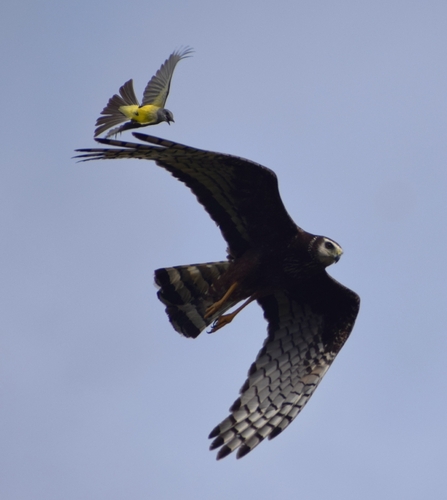 Long-winged Harrier
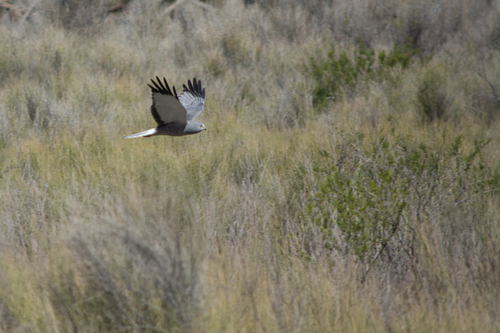 Cinereous Harrier
In breve
La separazione più affidabile sul campo tra Long-winged Harrier e Cinereous Harrier è il piumaggio, specialmente in volo: Long-winged Harrier mostra due morfologie distinte (scura e chiara), mentre Cinereous Harrier ha un modello consistente con un sopracciglio bianco e, nei maschi, parti inferiori grigie chiare con striature ruggine. I Long-winged Harrier juvenili sono più macchiati sotto, mentre i juvenili di Cinereous Harrier somigliano alle femmine ma con una pancia striata. Strutturalmente, Long-winged Harrier è notevolmente più grande e ha ali particolarmente lunghe, mentre Cinereous Harrier è più compatto con una coda eccezionalmente lunga rispetto al suo corpo. Entrambe le specie possono essere trovate in habitat di prateria e zone umide sovrapposti in Sud America, ma Long-winged Harrier è più diffuso. Usa una combinazione di dimensioni, proporzioni di ali e coda, e modelli delle parti inferiori per un'identificazione sicura, specialmente negli uccelli immaturi.
Consigli di identificazione
- Modello delle parti inferiori juvenile: I Long-winged Harrier juvenili hanno un petto più macchiato, specialmente nella morfologia chiara, mentre i Cinereous Harrier juvenili mostrano una pancia striata su parti inferiori crema. Questo è più utile quando si osservano uccelli in perching o in volo basso.
- Parti inferiori dei maschi adulti: I maschi di Long-winged Harrier nella morfologia chiara sono bianchi sotto, in contrasto con la pancia grigia chiara e striata di ruggine dei maschi di Cinereous Harrier. I maschi di Long-winged Harrier nella morfologia scura hanno pance completamente nere, mai mostrate da Cinereous.
- Confusione femmina/immatura: Le femmine di Long-winged Harrier (morfologia scura) sono marrone-nerastre sotto, mentre le femmine di Cinereous Harrier sono marroni sopra e crema sotto con striature. Cerca il grado di contrasto e striature.
- Sopracciglio bianco: Entrambe le specie mostrano un sopracciglio bianco in volo, ma quello di Cinereous Harrier è più prominente e consistente in tutte le età e sessi. Il sopracciglio di Long-winged Harrier può essere meno evidente negli uccelli di morfologia scura.
- Lunghezza e forma della coda: Cinereous Harrier ha una coda eccezionalmente lunga (oltre la metà della lunghezza del corpo), spesso aperta e conspicua in volo. La coda di Long-winged Harrier è lunga ma meno esagerata.
- Lunghezza e forma delle ali: Long-winged Harrier ha ali particolarmente lunghe e strette, dando un aspetto più allungato e languido in volo. Le ali di Cinereous Harrier sono proporzionalmente più corte e più larghe rispetto alla sua coda.
- Dimensioni del corpo: Long-winged Harrier è notevolmente più grande e robusto, specialmente rispetto al maschio di Cinereous Harrier. Usa le dimensioni solo quando gli uccelli sono vicini o con un riferimento.
- Disco facciale: Long-winged Harrier ha un disco facciale prominente, più di Cinereous Harrier. Questo può essere sottile ma a volte è visibile a distanza ravvicinata o in buona luce.
- Colore delle gambe: Long-winged Harrier ha gambe arancioni brillanti, ma questo è raramente visibile a distanza.
- Morfologie del piumaggio: Solo Long-winged Harrier mostra due morfologie distinte (scura e chiara); Cinereous Harrier non varia in questo modo.
- Contesto dell'habitat: Se nei Andes meridionali o in Tierra del Fuego, Cinereous Harrier è più probabile, ma entrambe possono sovrapporsi nel sud del Sud America.
- Volo jizz: Long-winged Harrier spesso plana per periodi più lunghi e appare più languido; Cinereous Harrier è più agile e spesso torce la sua lunga coda.
- Vocalizzazione: Non è un separatore affidabile; entrambi sono silenziosi, ma il 'klee-klee-klee' di Long-winged Harrier può essere udito in volo.
- Dimorfismo sessuale delle dimensioni: Entrambe le specie hanno femmine più grandi, ma la differenza è più pronunciata in Long-winged Harrier.
- Modello delle ali inferiori: Entrambi mostrano primarie più scure, ma il contrasto di Long-winged Harrier è più forte nelle morfologie chiare, mentre le ali inferiori di Cinereous Harrier sono più uniformi.
Taglia
Long-winged Harrier è il più grande dei due: i maschi sono lunghi 46–60 cm con un'apertura alare di 120–155 cm, e le femmine sono più pesanti (400–645 g contro 390–464 g dei maschi). I maschi di Cinereous Harrier sono più piccoli, circa 40 cm di lunghezza, le femmine circa 46 cm, con un'apertura alare di 90–115 cm. Tuttavia, il Cinereous Harrier ha una coda proporzionalmente più lunga, che costituisce circa il 56% della sua lunghezza totale, mentre la coda di Long-winged Harrier è lunga ma non così esagerata rispetto al suo corpo. Sul campo, Long-winged Harrier appare più robusto e con ali più lunghe, mentre Cinereous Harrier è più snello con una coda notevolmente lunga.
Piumaggio
- Uccelli juvenile/immaturi: I Long-winged Harrier juvenile somigliano alle femmine ma hanno un petto più macchiato; entrambe le morfologie esistono anche negli uccelli giovani. I Cinereous Harrier juvenile sembrano femmine, con parti superiori marroni, un sopracciglio bianco e parti inferiori crema con una pancia striata.
- Maschi adulti: I maschi di Long-winged Harrier (morfologia chiara) hanno parti inferiori bianche e parti superiori grigie, con primarie più scure. I maschi di morfologia scura hanno pance completamente nere. I maschi di Cinereous Harrier sono grigio scuro sopra, con punte nere alle ali, un sopracciglio bianco e parti inferiori grigie chiare con striature ruggine sulla pancia.
- Femmine adulte: Le femmine di Long-winged Harrier sono simili ai maschi di morfologia scura ma con una tonalità più marrone; le femmine di morfologia chiara hanno parti inferiori bianche. Le femmine di Cinereous Harrier sono marroni sopra, con un sopracciglio bianco e crema sotto con pancia striata.
- Viste in volo: Entrambe le specie mostrano un sopracciglio bianco, ma quello di Cinereous Harrier è più prominente e consistente. Le parti inferiori di Long-winged Harrier variano drammaticamente con la morfologia; la morfologia chiara è notevolmente chiara sotto, la morfologia scura è per lo più nerastra. Cinereous Harrier mostra sempre striature sulla pancia e un modello delle ali inferiori più uniforme.
Comportamento
Entrambe le specie cacciano basse su praterie e zone umide con un volo circolare e galleggiante tipico degli harrier. Long-winged Harrier, come suggerisce il nome, appare spesso con ali più lunghe e più languido in volo, a volte planando per tratti più lunghi. Cinereous Harrier, con la sua lunga coda, può mostrare un volo più agile e torcente e spesso apre la sua coda in modo conspicuo. Entrambi si posano su pali bassi o a terra, ma le differenze strutturali sono più evidenti in volo.
Habitat
Entrambe le specie occupano habitat aperti in Sud America, ma Long-winged Harrier è più diffuso su praterie e zone umide in tutto il continente. Cinereous Harrier è più associato a regioni meridionali e andine, riproducendosi da Tierra del Fuego a nord attraverso le Ande e nel sud del Brasile, Bolivia e Paraguay. Nelle aree di sovrapposizione, la preferenza dell'habitat non è un forte separatore, ma Long-winged Harrier potrebbe essere più comune nelle zone umide di pianura.
Voce
Le vocalizzazioni sono raramente diagnostiche sul campo. Long-winged Harrier è generalmente silenzioso, con richiami dati principalmente in volo: un veloce 'klee-klee-klee' o un 'thrill' più silenzioso e discendente. Non ci sono differenze vocali distintive notate per Cinereous Harrier nelle fonti disponibili. Entrambi non sono molto vocali, quindi la voce non è un segno affidabile sul campo.
Long-winged Harrier · Cinereous Harrier · I miei uccelli difficili