

Albastrello vs Piro piro boschereccio
Tringa stagnatilis contro Tringa glareola
Fai un quiz con Albastrello e Piro piro boschereccio
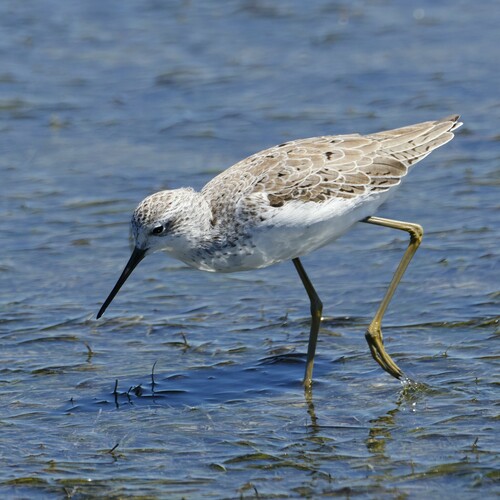 Albastrello
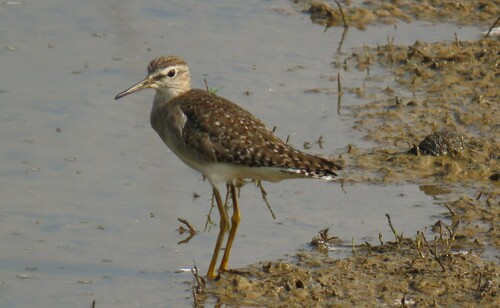 Piro piro boschereccio
In breve
Il segno distintivo più affidabile tra Albastrello e Piro piro boschereccio è la struttura: l'Albastrello è visibilmente più snello, con un becco molto lungo e sottile e zampe giallastre estremamente lunghe e esili, che gli conferiscono un aspetto delicato ed elegante. Il Piro piro boschereccio ha zampe più corte e una corporatura più compatta, con un becco più corto e fine e un dorso marrone. Entrambe le specie mostrano parti superiori marroni attenuate con maculature e zampe giallastre, ma l'Albastrello è più chiaro e più grazioso nel complesso. In volo, l'Albastrello mostra un chiaro cuneo bianco lungo la schiena, mentre il posteriore del Piro piro boschereccio è meno contrastante. Le piume immature e adulte sono simili, quindi concentrati sulla forma e sulla lunghezza delle zampe per la separazione.
Consigli di identificazione
- Lunghezza e struttura delle zampe: L'Albastrello ha zampe giallastre estremamente lunghe e sottili che sono visibilmente più lunghe di quelle del Piro piro boschereccio. Questo è il segno distintivo più consistente in tutte le età e stagioni.
- Forma del becco: Il becco dell'Albastrello è lungo, fine e dritto, dando un aspetto simile a un ago. Il becco del Piro piro boschereccio è più corto e fine, ma non così lungo o snello come quello dell'Albastrello.
- Aspetto generale: L'Albastrello appare elegante, snello ed allungato, con una testa piccola, un collo lungo e una postura eretta. Il Piro piro boschereccio è più compatto, con un collo più corto e proporzioni meno allungate.
- Schema del posteriore in volo: In volo, l'Albastrello mostra un cuneo bianco sorprendente lungo la schiena, visibile in tutte le piume. Il Piro piro boschereccio ha una macchia bianca posteriore più piccola e meno contrastante.
- Colore delle parti superiori: Entrambi sono marroni sopra con maculature più scure, ma l'Albastrello è più chiaro, specialmente in piumaggio non riproduttivo. Il dorso del Piro piro boschereccio è di un marrone più ricco.
- Macchie sul petto: Entrambi hanno macchie marroni diffuse sul petto e sul collo in piumaggio riproduttivo; questo non è un separatore affidabile.
- Colore delle zampe: Entrambi hanno zampe giallastre, ma quelle dell'Albastrello sono più lunghe e più esili. Le zampe del Piro piro boschereccio possono apparire leggermente più opache o giallastre-verdi, ma questo è variabile e inaffidabile.
- Impressione di dimensione: L'Albastrello è leggermente più grande e lungo, ma la differenza è sottile; concentrati sulla forma e sulla lunghezza delle zampe invece che sulla dimensione complessiva.
- Contesto dell'habitat: Se l'uccello si trova in acque più profonde o in zone umide erbose più aperte, è più probabile che sia un Albastrello. Il Piro piro boschereccio preferisce margini più poco profondi e può essere trovato in pozze più piccole o in aree più vegetate.
- Comportamento: L'Albastrello si muove con un passo più elegante e eretto, spesso guadando più in profondità. Il Piro piro boschereccio è più compatto e può apparire più attivo o affrettato.
- Confusione giovanile/immatura: I giovani di entrambe le specie sembrano simili; non ci sono segni forti specifici per l'età sulle ali superiori o in volo per separarli, quindi fai affidamento sulla struttura e sullo schema del posteriore in volo.
- In perche' vs. in volo: La lunghezza delle zampe e la forma del becco sono più facili da giudicare quando l'uccello è in piedi o cammina. In volo, concentrati sul cuneo bianco lungo la schiena per l'Albastrello.
- Contesto di gruppo: Se mescolato con altri trampolieri, l'Albastrello si distingue per la sua eleganza e le lunghe zampe; il Piro piro boschereccio si integra di più con altri piccoli trampolieri.
- Voce: Non diagnostica con le fonti disponibili; non fare affidamento sui richiami per la separazione.
- Variazione stagionale: Entrambe le specie sono più chiare in inverno, ma l'Albastrello rimane più delicato e chiaro nel complesso. Il piumaggio riproduttivo porta più maculature, ma le differenze strutturali persistono tutto l'anno.
Taglia
Entrambe le specie sono piccoli trampolieri, ma l'Albastrello pesa mediamente leggermente di più (massa corporea media ~71.5g contro 67.5g per il Piro piro boschereccio [wikidata]). L'Albastrello è anche più lungo (22–26 cm di lunghezza, 55–59 cm di apertura alare), ma queste differenze sono sottili sul campo. L'impressione principale è che l'Albastrello sia più allungato ed elegante, con zampe e becco più lunghi, mentre il Piro piro boschereccio è il trampoliere più piccolo, apparendo più compatto e meno allungato.
Piumaggio
Per entrambi gli adulti e gli immaturi, le differenze di piumaggio sono sottili e facilmente confuse. Entrambe le specie hanno parti superiori marroni attenuate con maculature più scure e macchie marroni diffuse sul petto e sul collo in piumaggio riproduttivo. L'Albastrello è generalmente più chiaro, specialmente in inverno, e ha un distintivo cuneo bianco lungo la schiena visibile in volo (tutte le età). Il Piro piro boschereccio ha un dorso marrone e una macchia posteriore bianca meno contrastante. Entrambe le specie hanno zampe giallastre, ma quelle dell'Albastrello sono molto più lunghe e più sottili. Gli uccelli giovani e immaturi non mostrano forti schemi specifici per l'età sulle ali superiori che li separano, quindi concentrati sulla struttura e sullo schema del posteriore in volo.
Comportamento
Entrambe le specie si nutrono in acque poco profonde e fango umido, cercando invertebrati. Le zampe più lunghe dell'Albastrello gli consentono di guadare più in profondità e muoversi con un passo più elegante e eretto. Il Piro piro boschereccio è più probabile che venga visto in margini leggermente più asciutti o in acque più poco profonde, muovendosi con una postura più compatta. Entrambe le specie possono essere attive e all'erta, ma i movimenti dell'Albastrello sono più graziosi e meno affrettati.
Habitat
Entrambe le specie preferiscono zone umide di acqua dolce, paludi e prati umidi, ma l'Albastrello nidifica in steppe erbose aperte e zone umide di taiga, spesso in aree più aperte e meno vegetate. Il Piro piro boschereccio è più flessibile, trovato in una varietà più ampia di habitat di acqua dolce e zone umide, comprese pozze più piccole, margini fangosi e talvolta aree più vegetate. Entrambi evitano habitat costieri o marini strettamente.
Albastrello · Piro piro boschereccio · I miei uccelli difficili