

Mascarene Swiftlet vs Wedge-tailed Shearwater
Aerodramus francicus contro Ardenna pacifica
Fai un quiz con Mascarene Swiftlet e Wedge-tailed Shearwater
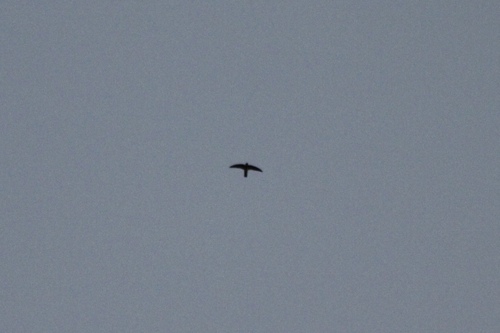 Mascarene Swiftlet
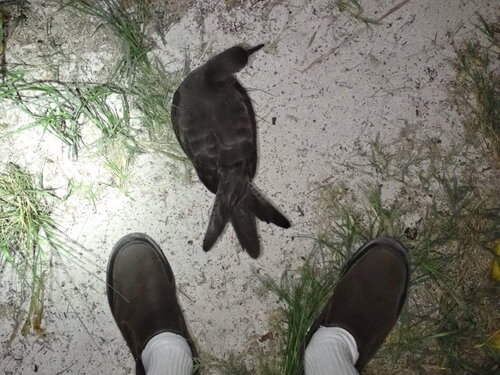 Wedge-tailed Shearwater
In breve
Il segno distintivo più affidabile per separare il Mascarene Swiftlet dal Wedge-tailed Shearwater è la dimensione e la struttura complessiva: il swiftlet è un piccolo, veloce insettiere aereo, mentre il shearwater è un grande uccello marino dal corpo pesante con una coda a forma di cuneo distintiva. In volo, il swiftlet mostra ali compatte a forma di falce e un volo rapido e tremolante, mentre il shearwater ha ali lunghe e larghe e uno stile di volo languido e planante. Anche le differenze nel piumaggio sono evidenti: il swiftlet è uniformemente scuro sopra e chiaro sotto, mentre il shearwater varia da completamente scuro a chiaro sotto, ma ha sempre un aspetto più massiccio e un becco proporzionalmente massiccio. L'habitat è un indizio forte: i swiftlet si vedono sopra la terra a Mauritius e Réunion, mentre i shearwater sono strettamente pelagici, raramente visti nell'entroterra.
Consigli di identificazione
- Size is the fastest check: Il Wedge-tailed Shearwater è enorme rispetto al Mascarene Swiftlet; se vedi un uccello delle dimensioni di un piccione o più grande, non può essere un swiftlet.
- Tail shape: Il shearwater ha una lunga coda appuntita a forma di cuneo visibile in volo e a riposo; la coda del swiftlet è corta e quadrata o leggermente biforcuta, mai a forma di cuneo.
- Flight style: Il swiftlet vola con battiti d'ala rapidi e tremolanti e veloci cambi di direzione; il shearwater plana e si muove sull'acqua con ali lunghe e rigide e battiti d'ala profondi e costanti.
- Wing shape: Le ali del swiftlet sono strette, a forma di falce e proporzionalmente molto più corte; le ali del shearwater sono lunghe, larghe e adatte al volo dinamico.
- Bill: Il shearwater ha un becco spesso, lungo e scuro facilmente visibile da lontano; il becco del swiftlet è piccolo e quasi invisibile sul campo.
- Plumage: Il swiftlet è scuro sopra e chiaro sotto, senza un forte motivo; il shearwater è o completamente scuro o chiaro sotto, ma sempre più massiccio e mai così nettamente bicolore come il swiftlet.
- Color morphs: Solo il shearwater mostra morfologie scure e chiare; il swiftlet non varia.
- Leg color: Il shearwater ha zampe rosa salmone, ma queste sono raramente visibili a meno che l'uccello non sia a riposo; non è un segno pratico sul campo.
- Habitat: Il swiftlet si vede solo sopra la terra a Mauritius e Réunion; il shearwater è marino, visto in mare o in siti di nidificazione costieri.
- Behavior at rest: Il shearwater può essere visto a terra nelle colonie; il swiftlet quasi mai si posa in aperto.
- Vocalizations: Le chiamate lamentose del shearwater sono distintive nelle colonie; le chiamate del swiftlet sono acute e frenetiche, per lo più udite in volo.
- Context: Se stai osservando uccelli nell'entroterra o sopra una foresta, aspettati il swiftlet; se sei in mare o su un'isola remota, aspettati il shearwater.
- Association: I swiftlet si trovano spesso in stormi con altri swift o rondini; i shearwater sono di solito soli o in gruppi sciolti in mare.
- Confusion risk: L'unico vero rischio di confusione è un uccello distante e veloce che vola sopra l'oceano, ma la dimensione e lo stile di volo li separeranno rapidamente.
- Juvenile/immature marks: Non sono descritti modelli distintivi delle ali giovanili per nessuna delle due specie, quindi fai affidamento sulla struttura e sul contesto per tutte le età.
Taglia
Il Wedge-tailed Shearwater è enormemente più grande, con una massa adulta di circa 465 grammi [wikidata], rispetto al molto più piccolo Mascarene Swiftlet (nessuna massa fornita, ma tutti i swiftlet sono piccoli in confronto). Il shearwater è un uccello marino di dimensioni medie-grandi, che sovrasta facilmente il swiftlet, che è tra i più piccoli uccelli nel suo areale. Sul campo, la dimensione da sola è spesso sufficiente per escludere la confusione se entrambe le specie vengono viste insieme o con uccelli di riferimento noti.
Piumaggio
Non sono descritti modelli specifici per età per nessuna delle due specie, ma il piumaggio complessivo è altamente distintivo. Il Mascarene Swiftlet (tutte le età) è scuro sopra con parti inferiori più chiare, privo di qualsiasi forte motivo o morfologia di colore. Il Wedge-tailed Shearwater si presenta in due morfologie: chiara (grigio-marrone sopra, bianco sotto) e scura (uniformemente grigio-marrone scuro). Entrambe le morfologie hanno una coda a forma di cuneo e, in tutti i piumaggi, un aspetto molto più massiccio rispetto al swiftlet. Il swiftlet non ha alcun cuneo nella coda e ha una coda molto più corta, quadrata o leggermente biforcuta. Il becco del shearwater è sempre scuro e spesso, mentre il becco del swiftlet è piccolo e appena visibile da lontano. Il colore delle zampe non è un segno utile sul campo a meno che l'uccello non venga maneggiato o visto a riposo, il che è raro per entrambi.
Comportamento
Il Mascarene Swiftlet è quasi sempre visto in volo rapido e agile, catturando insetti in alto sopra la terra o la foresta. Raramente atterra in aperto. Il Wedge-tailed Shearwater è un forte volatore planante, trascorrendo la maggior parte della sua vita sopra l'oceano, spesso visto planare basso sulle onde o scivolare con ali rigide. A terra, i shearwater sono goffi e raramente visti tranne che nelle colonie di nidificazione o in mare. Il volo del swiftlet è tremolante ed erratico, mentre quello del shearwater è potente, con battiti d'ala profondi e lunghi scivolamenti.
Habitat
Il Mascarene Swiftlet è limitato a Mauritius e Réunion, cercando cibo sopra la terra, la foresta e talvolta vicino a scogliere. Non viene mai visto lontano in mare. Il Wedge-tailed Shearwater è strettamente marino, trovato in tutto il Pacifico tropicale e negli Oceani Indiano, e viene a terra solo per nidificare, tipicamente su isole remote o colonie costiere. Vedere un swiftlet sopra l'oceano aperto o un shearwater nell'entroterra è estremamente improbabile.
Voce
Il Wedge-tailed Shearwater è altamente vocale nelle colonie, emettendo lunghe chiamate lamentose con note di inalazione ed espirazione (descritte come 'OOO...err'), specialmente di notte. Le chiamate del Mascarene Swiftlet non sono descritte nelle note, ma i swiftlet in generale emettono chiamate acute e frenetiche, per lo più in volo. Le vocalizzazioni sono improbabili da confondere se udite bene, ma raramente sono diagnostiche in mare o in volo.
Mascarene Swiftlet · Wedge-tailed Shearwater · I miei uccelli difficili