

Tordela vs Cesena
Turdus viscivorus contro Turdus pilaris
Fai un quiz con Tordela e Cesena
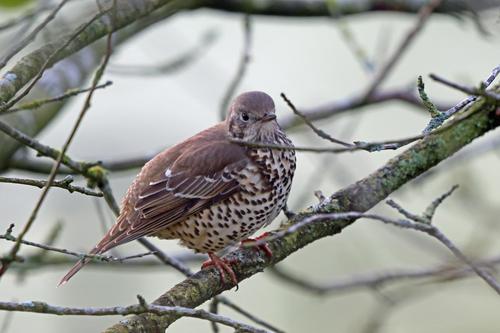 Tordela
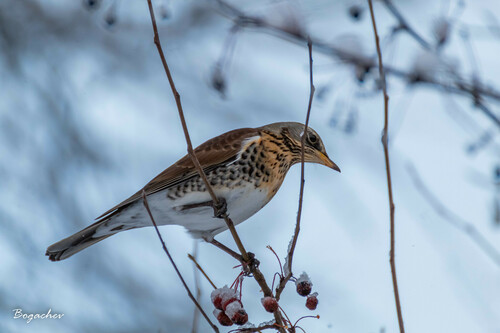 Cesena
In breve
Il segno distintivo più affidabile tra Tordela e Cesena è il colore della testa e del sopracciglio: la Cesena mostra una testa e un sopracciglio grigio ardesia distintivi, mentre la Tordela è complessivamente grigio-marrone sopra senza questo contrasto. In volo, entrambe le specie mostrano copritrici bianche sotto le ali, ma quelle della Cesena sono particolarmente audaci e l'uccello spesso mostra il suo sopracciglio grigio. La Tordela è più grande, ha una coda più lunga e si erge più dritta a terra. Per gli uccelli in posa, la Tordela ha macchie nere rotonde e irregolari su uno sfondo giallo o giallastro, mentre il petto della Cesena è di un color crema-giallastro con striature audaci e un ventre più bianco. I giovani di entrambe le specie sono più opachi, ma i giovani della Cesena mostrano ancora il contrasto tra la testa e il sopracciglio grigio dopo la loro prima muta autunnale. Usa prima la struttura e il modello della testa, poi controlla il colore e la maculatura delle parti inferiori.
Consigli di identificazione
- Head and Rump Color: La Cesena mostra sempre una chiara testa e un sopracciglio grigio ardesia, in contrasto con un dorso marrone scuro. La Tordela è più uniforme grigio-marrone sopra senza un forte contrasto tra testa e sopracciglio. Questo è il miglior segno unico per gli uccelli in posa o in volo di qualsiasi età.
- Underwing Coverts in Flight: Entrambe le specie mostrano copritrici bianche sotto le ali, ma quelle della Cesena sono particolarmente audaci e ovvie in volo. Usa questo in combinazione con altri segni, poiché anche la Tordela mostra le ali bianche.
- Underpart Color and Spotting: La Tordela ha macchie nere rotonde e irregolari su uno sfondo giallo-giallastro o bianco sporco; la Cesena ha un petto crema-giallastro, con striature audaci e un ventre molto più bianco e meno maculato. Sulla Cesena, la maculatura è più simile a striature e concentrata sulla parte superiore del petto.
- Tail Shape and Pattern: La Tordela ha una coda lunga con punte bianche sulle piume esterne; la coda della Cesena è più corta, arrotondata, scura e ha frange grigie sottili e un bordo bianco stretto sulle piume più esterne.
- Size and Structure: La Tordela è notevolmente più grande, più robusta e con una coda più lunga, con una postura più eretta. La Cesena è più compatta e meno eretta quando è in posa.
- Posture and Jizz: La Tordela sta alta ed eretta, specialmente su terreno aperto, spesso muovendo le ali e la coda. La Cesena è più orizzontale e meno eretta.
- Juvenile Plumage: La giovane Tordela è più chiara sopra con centri a goccia crema e macchie più piccole sotto; la giovane Cesena è più opaca ma mostra ancora il contrasto tra la testa e il sopracciglio grigio dopo la sua prima muta autunnale. Usa il modello della testa per i giovani uccelli.
- Flock Size and Behavior: La Cesena è molto più probabile che venga vista in grandi e rumorosi stormi in inverno, specialmente in campi aperti. La Tordela è solitamente sola o in piccoli gruppi, anche in inverno.
- Bill Color: Entrambe hanno becchi giallastri con punte più scure, ma questo non è un forte separatore sul campo.
- Sex Differences: Entrambe le specie mostrano poco dimorfismo sessuale sul campo; le femmine di Cesena sono leggermente più marroni sopra e più chiare sotto, ma questo è sottile e non affidabile per la separazione.
- Voice: Il richiamo di volo della Cesena, duro e "tsak tsak", è distintivo e non è eguagliato dalla Tordela, i cui richiami sono più ronzanti o gorgheggianti.
- Habitat Context: In inverno, la Cesena preferisce campi aperti ed è spesso in grandi stormi; la Tordela è più spesso ai margini dei boschi, nei parchi o singolarmente in campagna aperta.
- Seasonal Movement: La Cesena è fortemente migratoria e più probabile che appaia in grandi numeri in inverno; la Tordela è residente in gran parte del suo areale ma migra anche dal nord e dall'est.
- Spot Pattern Regularity: Le macchie della Tordela sono più rotonde e più casualmente posizionate; le striature del petto della Cesena sono più audaci e più lineari, specialmente sulla parte superiore del petto.
- Pitfalls: Fai attenzione alle giovani Cesene opache, che possono sembrare meno appariscenti ma mostrano ancora il contrasto tra la testa e il sopracciglio grigio. Le Tordele non mostrano mai il forte contrasto tra testa e sopracciglio della Cesena a qualsiasi età.
Taglia
La Tordela è il più grande tordo europeo nativo, notevolmente più grande e robusta della Cesena. La Tordela misura in media 27–28 cm di lunghezza con un'apertura alare di circa 45 cm e un peso tipico vicino ai 130 g, mentre la Cesena misura in media 25 cm di lunghezza, 39–42 cm di apertura alare e circa 105 g. La Tordela appare con una coda più lunga e più eretta quando è in posa, mentre la Cesena è più compatta. Queste differenze sono più evidenti quando entrambe le specie sono viste insieme, ma la corporatura più grande e robusta della Tordela è spesso evidente anche singolarmente.
Piumaggio
- Juvenile/First-winter: Le giovani Tordele sono più chiare sopra con centri a goccia crema nelle piume e macchie più piccole e rotonde sulle parti inferiori giallastre; alla prima inverno, assomigliano agli adulti ma sono più giallastre sotto. Le giovani Cesene sono più opache degli adulti ma mostrano ancora striature chiare sulle piume e mantengono il contrasto tra la testa e il sopracciglio grigio dopo la loro prima muta autunnale.
- Adult: La Tordela è grigio-marrone chiaro sopra con un mento e una gola grigio-bianca, un petto giallo-giallastro e un ventre bianco sporco contrassegnato da macchie nere rotonde e irregolari. Gli adulti di Cesena hanno una testa, un nape e un sopracciglio grigio ardesia, un dorso marrone scuro, una coda nerastra e un petto crema-giallastro, con striature audaci e un ventre molto più bianco. Entrambe le specie hanno copritrici bianche sotto le ali visibili in volo, ma quelle della Cesena sono particolarmente evidenti. La coda della Tordela è lunga con punte bianche sulle piume esterne; la coda della Cesena è arrotondata e scura con frange grigie sottili e un bordo bianco stretto sulle piume più esterne.
Comportamento
La Tordela è spesso vista sola o in coppie, eretta e si muove con una postura distintiva e eretta, specialmente su terreno aperto. Salta con la testa alta e muove le ali e la coda quando è eccitata. Alla fine dell'estate e in autunno, i gruppi familiari possono unirsi per formare stormi più grandi. La Cesena è più gregaria, specialmente in inverno, formando spesso grandi stormi rumorosi che si nutrono insieme in campi aperti o si riposano in comune. In volo, la Tordela ha un volo ondulato e rimbalzante con planate, mentre il volo della Cesena è diretto e forte, spesso accompagnato dal suo richiamo duro.
Habitat
Entrambe le specie nidificano in boschi e campagne aperte in tutta Europa e nel Paleartico, ma la Cesena è più fortemente migratoria, nidificando più a nord e a est e spostandosi a sud in inverno. La Tordela è residente tutto l'anno in gran parte del suo areale ma migra anche dal nord e dall'est in inverno, a volte in piccoli stormi. In inverno, le Cesene sono più probabili da vedere in grandi stormi in campi aperti, mentre le Tordele sono spesso in gruppi più piccoli o sole in parchi, margini boschivi e campagne aperte.
Voce
Il richiamo di volo della Cesena è un duro "tsak tsak" o "tsuk" ripetuto, spesso udito mentre stormi volano sopra di noi o si radunano sugli alberi. La Tordela ha un richiamo diverso, ronzante o gorgheggiante, e un canto flautato che si diffonde lontano, ma questi sono meno probabili da confondere con i richiami della Cesena. Quando è allarmata, la Cesena può emettere suoni di avvertimento che ricordano la Tordela, ma i richiami di volo tipici sono distintivi.