
Pied Cuckoo vs Dideric Cuckoo
Clamator jacobinus contro Chrysococcyx caprius
Fai un quiz con Pied Cuckoo e Dideric Cuckoo
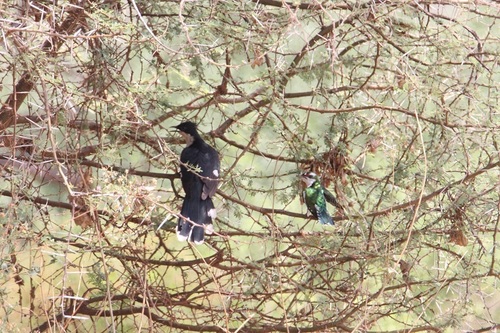 Pied Cuckoo
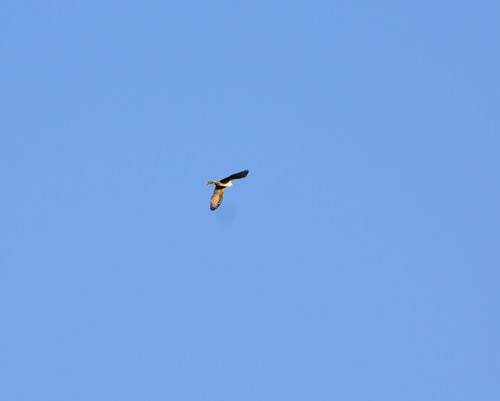 Dideric Cuckoo
In breve
Il segno distintivo più affidabile è il forte contrasto bianco e nero e il prominente patch bianco sulle ali del Pied Cuckoo, che è visibile anche in volo e su uccelli posati di tutte le età. Al contrario, il Dideric Cuckoo è più piccolo, con una lucentezza verde e rame sopra, parti inferiori bianche e molte piccole macchie bianche sulle ali e sulla coda piuttosto che un grande patch. I Dideric Cuckoo juvenili sono più marroni con una gola striata e una banda bianca sulle ali, il che può causare confusione, ma mancano della forte cresta e del sorprendente motivo bianco e nero del Pied Cuckoo. Anche la struttura e la dimensione aiutano: il Pied Cuckoo è più grande e più allungato, mentre il Dideric è compatto. La voce e l'habitat possono aiutare nel contesto, ma il piumaggio e la struttura sono i migliori indizi sul campo.
Consigli di identificazione
- Patch bianco sulle ali vs. macchie bianche: Il Pied Cuckoo di tutte le età mostra un grande e audace patch bianco su ali altrimenti nere, visibile sia posato che in volo. Il Dideric Cuckoo ha diverse piccole macchie bianche sulle vane interne delle remiganti e una stretta banda bianca sulle ali nei juvenili, ma mai un grande patch.
- Crestato vs. corona liscia: Il Pied Cuckoo mostra sempre una cresta evidente, conferendogli un aspetto cresta, allungato. Il Dideric Cuckoo manca di cresta e ha una corona liscia.
- Contrasto di colore generale: Il Pied Cuckoo è nettamente nero sopra e bianco sotto (fase pied), o tutto nero tranne per il patch bianco sulle ali (fase nera). Il Dideric Cuckoo è verde lucido con riflessi rame sopra e bianco sotto, a volte con fianchi marroni o rame nelle femmine e nei juvenili.
- Confusione giovanile: Il Dideric Cuckoo giovanile è più marrone sopra, con una gola striata, becco rosso e una banda bianca sulle ali, ma manca ancora del forte motivo bianco e nero e della cresta del Pied Cuckoo. Il Pied Cuckoo giovanile assomiglia agli adulti nel motivo.
- Motivo della coda: Le penne esterne della coda del Dideric Cuckoo sono appuntite e macchiate di bianco, mentre la coda del Pied Cuckoo è più uniformemente scura con meno bianco evidente.
- Dimensione e forma: Il Pied Cuckoo è più grande, con ali più lunghe e più allungato nel jizz. Il Dideric Cuckoo è più piccolo e più compatto.
- Colore del becco: Il Dideric Cuckoo giovanile ha un becco rosso, un segno utile se visto bene. Il becco del Pied Cuckoo è scuro.
- Striscia oculare: Il Dideric Cuckoo ha una striscia oculare bianca spezzata e una breve striscia malare verde; il Pied Cuckoo manca di questi segni facciali.
- Stile di volo: Il Pied Cuckoo può mostrare un volo lento e simile a quello di un piccione durante la display; il Dideric Cuckoo vola in modo più diretto ed è meno probabile che si esibisca.
- Contesto dell'habitat: In Asia, si trova solo il Pied Cuckoo. In Africa, entrambi possono verificarsi, ma il Dideric Cuckoo è più probabile in boschi aperti e savane, mentre il Pied Cuckoo può essere trovato in habitat più vari.
- Vocalizzazioni: Il Pied Cuckoo emette una serie di fischi 'piu-piu'; il Dideric Cuckoo emette un richiamo ripetitivo 'deed-deed-deed-deed-er-ick'. Ascolta questi se l'uccello è vocale.
- Variazione sessuale/stagionale: Le femmine e i juvenili di Dideric Cuckoo mostrano più rame e marrone sotto, ma mancano sempre del forte contrasto bianco e nero e della cresta del Pied Cuckoo.
- Postura posata: Il Pied Cuckoo spesso si posa eretto e prominente, mostrando la sua cresta e la lunga coda. Il Dideric Cuckoo è più probabile che venga visto muoversi silenziosamente o posato meno in modo appariscente.
- Trappole: Fai attenzione alla banda bianca sulle ali e alle parti inferiori marroni del Dideric Cuckoo giovanile, che possono suggerire un cuculo meno contrastante, ma la mancanza di una cresta e i toni verdi/rame complessivi sono distintivi.
- Associazioni con gli ospiti: Se visto essere nutrito da babblers (soprattutto Turdoides), sospetta il Pied Cuckoo; se con tessitori o vescovi, sospetta il Dideric Cuckoo.
Taglia
Il Pied Cuckoo è notevolmente più grande e più snello del Dideric Cuckoo. Mentre il Dideric Cuckoo pesa in media circa 33 g e misura 18–20 cm di lunghezza [wikidata][wikipedia], il Pied Cuckoo è di dimensioni medie per un cuculo e appare con ali più lunghe e più allungato in silhouette. Il Dideric Cuckoo è compatto e di dimensioni più piccole, il che è particolarmente evidente quando entrambe le specie vengono viste nella stessa regione. Le ali e la coda più lunghe del Pied Cuckoo gli conferiscono un aspetto più allungato, specialmente in volo.
Piumaggio
I Dideric Cuckoo giovanili sono marroni sopra con una sfumatura rame, un becco rosso, gola striata e una banda bianca sulle ali, oltre a macchie marroni sui fianchi. Mancano del forte contrasto bianco e nero di qualsiasi età del Pied Cuckoo. Gli adulti Dideric Cuckoo sono verdi lucidi sopra con aree rame, parti inferiori bianche, una striscia oculare bianca spezzata e diverse piccole macchie bianche sulle vane interne delle piume delle ali; le penne esterne della coda sono appuntite e macchiate di bianco. Le femmine di Dideric Cuckoo mostrano più rame sopra e barrature rame sui fianchi, con parti inferiori a volte lavate di marrone. Al contrario, il Pied Cuckoo di tutte le età e sessi è nero sopra e bianco sotto, con un prominente patch bianco sulle ali altrimenti nere e una cresta distintiva. I Pied Cuckoo africani possono mostrare una fase nera (tutto nero tranne il patch bianco sulle ali) o una fase pied (bianco sotto), ma sempre con il forte patch. La banda bianca sulle ali del Dideric Cuckoo è molto più stretta e meno appariscente rispetto al grande patch bianco del Pied Cuckoo. La cresta del Pied Cuckoo è sempre presente; il Dideric Cuckoo manca di cresta.
Comportamento
I Pied Cuckoo sono spesso appariscenti, chiamando da posatoi prominenti e impegnandosi in un volo lento e simile a quello di un piccione durante la stagione riproduttiva. Possono inseguirsi a vicenda in mostra. I Dideric Cuckoo sono più solitari e meno appariscenti, tipicamente muovendosi silenziosamente attraverso boschi aperti e savane, e sono meno probabili da vedere in gruppi o eseguendo voli di mostra. Entrambi sono parassiti della covata, ma il Pied Cuckoo è più probabile da vedere interagire con babblers, mentre il Dideric Cuckoo prende di mira tessitori e vescovi.
Habitat
Il Pied Cuckoo si trova in Africa e Asia, spesso come migrante parziale, e in India è associato al monsone. Frequenta campi aperti, cespugli e aree con alberi sparsi. Il Dideric Cuckoo è un comune riproduttore residente nell'Africa subsahariana e nella penisola arabica meridionale, preferendo boschi aperti, savane e cespugli lungo i fiumi. Entrambe le specie possono sovrapporsi in Africa, ma il Dideric Cuckoo è più strettamente legato agli habitat aperti africani, mentre il Pied Cuckoo ha un'area di distribuzione più ampia che include l'Asia.
Voce
Il Pied Cuckoo emette una serie di note fischianti 'piu-piu', che sono rapide e leggermente più morbide nella forma nominativa. Il Dideric Cuckoo è molto vocale, con un richiamo persistente e forte 'deed-deed-deed-deed-er-ick'—di solito quattro note chiare e simili seguite da un twitter. Il richiamo del Dideric è più ripetitivo e metallico, mentre quello del Pied Cuckoo è più fischiato e meno meccanico.