

Red-billed Tropicbird vs Red-tailed Tropicbird
Phaethon aethereus contro Phaethon rubricauda
Fai un quiz con Red-billed Tropicbird e Red-tailed Tropicbird
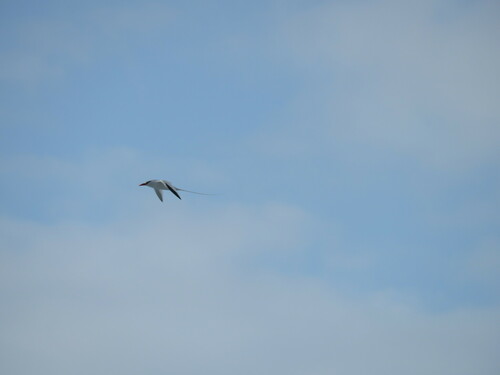 Red-billed Tropicbird
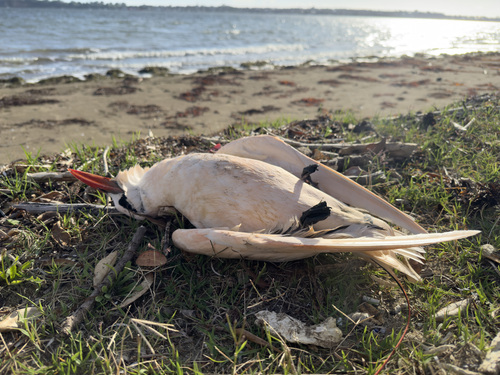 Red-tailed Tropicbird
In breve
Il segno distintivo più affidabile tra Red-billed e Red-tailed Tropicbirds è il colore delle streamers della coda: Red-billed ha streamers lunghi e bianchi con strisce nere sul fusto, mentre Red-tailed ha streamers più corti, rossi o arancioni con basi bianche. Gli uccelli giovani sono particolarmente difficili, ma i giovani Red-billed mostrano una marcatura più pesante sopra e piume della coda con punte nere, mentre i giovani Red-tailed hanno una marcatura nera più estesa e squamature sulle parti superiori e un becco parzialmente rosso. Entrambe le specie hanno per lo più un piumaggio bianco, una maschera nera e un becco rosso, ma sottili differenze nelle marcature delle ali, nella forma della coda e nelle dimensioni aiutano a separarle. Le viste in volo sono spesso confuse, quindi presta particolare attenzione al modello della coda e della parte superiore dell'ala, specialmente nei giovani uccelli.
Consigli di identificazione
- Colore e lunghezza delle streamers della coda (adulti): Red-billed ha streamers lunghi e bianchi con strisce nere sul fusto (fino a due volte la lunghezza del corpo, specialmente nei maschi); Red-tailed ha streamers più corti, rossi o arancioni con basi bianche (circa un decimo della loro lunghezza). Questo è il segno distintivo migliore per gli adulti in volo o appollaiati.
- Coda e parti superiori dei giovani: Il giovane Red-billed non ha streamers e ha piume della coda con punte nere e una marcatura più pesante sopra; il giovane Red-tailed non ha anch'esso streamers ma mostra una marcatura nera più estesa e squamature sulle parti superiori e una coda a forma di cuneo.
- Colore del becco (adulti): Entrambi hanno becchi rossi brillanti, ma quello di Red-billed è rosso uniforme, mentre quello di Red-tailed è rosso brillante, leggermente più chiaro alla base e nero attorno alle narici. Nei giovani, il becco di Red-billed è meno vividamente rosso, quello di Red-tailed è grigio-nerastro con una base blu-grigia.
- Modello delle ali (adulti): Red-billed mostra punte nere sulle ali e un dorso finemente barrato di nero; Red-tailed ha ali bianche con macchie scure a forma di chevron sulle terziali e una sfumatura rosa sulle remiganti superiori.
- Maschera facciale: Entrambi hanno una maschera nera, ma la maschera di Red-billed si estende sopra le lore fino alla nuca, a volte con macchie grigie vicino alla nuca; la maschera di Red-tailed è una striscia a forma di virgola marrone scuro che va dalle lore, attraverso e sopra gli occhi fino alle copritrici auricolari.
- Sfumatura del piumaggio: Red-tailed mostra spesso una sfumatura rosa nel piumaggio, specialmente sulle ali; Red-billed è bianco con macchie grigie sulla nuca e sul collo posteriore, ma non ha il lavaggio rosa.
- Modello del dorso (adulti): Il dorso di Red-billed è finemente barrato di nero; il mantello e il dorso di Red-tailed hanno basi di fusto marrone scuro, ma la marcatura è meno fine e più limitata.
- Colore delle zampe: Red-billed ha zampe e dita giallo-arancioni con nero sul resto dei piedi; Red-tailed ha zampe blu pallido-mauve e basi delle dita, con membrane nere e il resto delle dita.
- Dimensioni e forma: Red-billed appare più allungato in volo a causa delle streamers più lunghe; Red-tailed è più robusto, con un aspetto più compatto e streamers più corte.
- Volo: Red-billed è più diretto e simile a un gabbiano; Red-tailed appare più pesante e meno allungato.
- Modello facciale dei giovani: Il giovane Red-billed ha strisce nere sopra l'occhio che si collegano alla nuca; il giovane Red-tailed ha una marcatura nera più estesa e squamature sulla corona e sulla nuca.
- Forma della coda (giovani): Il giovane Red-billed ha una coda dritta con piume a punta nera; il giovane Red-tailed ha una coda a forma di cuneo.
- Vocalizzazioni: Red-billed è più probabile che venga sentito urlare vicino alle colonie; Red-tailed è per lo più silenzioso tranne per brevi squittii o ringhi al nido.
- Contesto: Se visto nell'Atlantico o nel Pacifico orientale, è più probabile che sia Red-billed; nel Pacifico centrale o nell'Oceano Indiano, è più probabile che sia Red-tailed, ma si verifica sovrapposizione.
- Differenze sessuali: I maschi di Red-billed hanno streamers più lunghe delle femmine, ma questo è utile solo se entrambi i sessi sono presenti per il confronto.
Taglia
Red-billed Tropicbird è leggermente più piccolo in apertura alare (99–106 cm) rispetto a Red-tailed (111–119 cm), ma la differenza è sottile sul campo. Le streamers della coda di Red-billed sono più lunghe (fino a due volte la lunghezza del corpo, 46–56 cm), facendolo apparire più allungato, specialmente nei maschi. Le streamers di Red-tailed sono più corte (circa 35 cm) e rosse, contribuendo a un aspetto più robusto e compatto. Non è disponibile un confronto diretto della massa corporea per Red-billed, ma Red-tailed pesa in media 219 g. Entrambi sono grandi uccelli marini simili a gabbiani, ma Red-billed appare spesso più snello a causa delle sue streamers più lunghe.
Piumaggio
Giovani: I giovani Red-billed hanno una corona per lo più bianca, con strisce nere sopra l'occhio che di solito si collegano alla nuca, e piume della coda con punte nere o punti subterminali ma senza streamers. Le loro parti superiori sono fortemente barrate, più di altri tropicbirds. I giovani Red-tailed hanno fronte, mento e parti inferiori bianche lucide, ma mostrano marcature nere prominenti e squamature sulla corona, nuca, mantello, dorso, groppa e copritrici superiori. I loro becchi sono grigio-nerastri con una base blu-grigia, e le loro zampe sono grigie. La coda è a forma di cuneo, e le streamers sono assenti o appena iniziano a crescere.
Adulti: Gli adulti Red-billed hanno un piumaggio per lo più bianco con punte nere sulle ali, una maschera nera e streamers bianche della coda con strisce nere sul fusto. Il dorso è finemente barrato di nero, e il becco è rosso brillante. Gli adulti Red-tailed sono quasi tutti bianchi, spesso con una sfumatura rosa, una maschera nera e un becco rosso brillante. Le loro streamers della coda sono rosse o arancioni con basi bianche (circa un decimo della loro lunghezza), e le ali mostrano macchie scure a forma di chevron sulle terziali. La sfumatura rosa è spesso più pronunciata nelle remiganti superiori. Entrambi i sessi sono simili nel piumaggio, ma i maschi di Red-billed hanno streamers più lunghe.
Comportamento
Entrambe le specie sono aeree e simili a gabbiani, spesso viste circolare sopra il mare, specialmente vicino alle colonie di nidificazione. Red-billed Tropicbird tende a volare con un volo più diretto e intenzionale, mentre Red-tailed può apparire più robusto e leggermente meno allungato a causa delle streamers più corte. Entrambe le specie eseguono display di corteggiamento aereo, ma questi sono raramente diagnostici sul campo. Red-tailed è noto per essere più aggressivo nei siti di nidificazione, adottando una postura difensiva distintiva e impegnandosi in prolungati combattimenti di wrestling con il becco.
Habitat
Entrambe le specie abitano oceani tropicali e sono tipicamente viste lontano dalla costa o vicino a isole remote. Red-billed si trova nell'Atlantico, nel Pacifico orientale e in alcune parti dell'Oceano Indiano, mentre Red-tailed è nativo degli Oceani Indiano e Pacifico. Nelle aree in cui entrambe le specie si trovano, il contesto non è solitamente diagnostico, ma Red-tailed è più probabile nel Pacifico centrale e nelle isole dell'Oceano Indiano, mentre Red-billed è più comune nell'Atlantico e nel Pacifico orientale.
Voce
Red-billed Tropicbird è più vocale vicino alle colonie di nidificazione, producendo urla forti e aspre ("kreeeee-kreeeee-kri-kri-kri-kr"). I pulcini emettono strida penetranti quando vengono disturbati. Red-tailed Tropicbird è generalmente silenzioso in volo, tranne durante i display di corteggiamento, quando può emettere un breve squittio di saluto. Al nido, può emettere un richiamo basso e ringhioso come difesa, e i pulcini chiacchierano ripetutamente quando i genitori sono nelle vicinanze. Sul campo, le vocalizzazioni sono raramente diagnostiche a meno che non si sia in una colonia.
Red-billed Tropicbird · Red-tailed Tropicbird · I miei uccelli difficili