
Pigliamosche pettirosso vs Codirosso comune
Ficedula parva contro Phoenicurus phoenicurus
Fai un quiz con Pigliamosche pettirosso e Codirosso comune
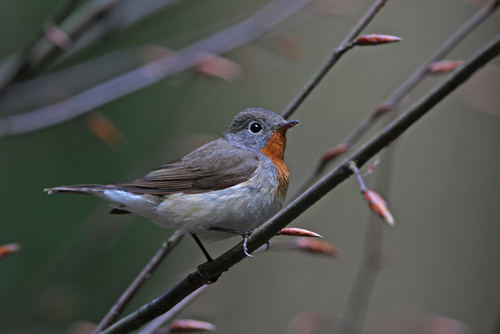 Pigliamosche pettirosso
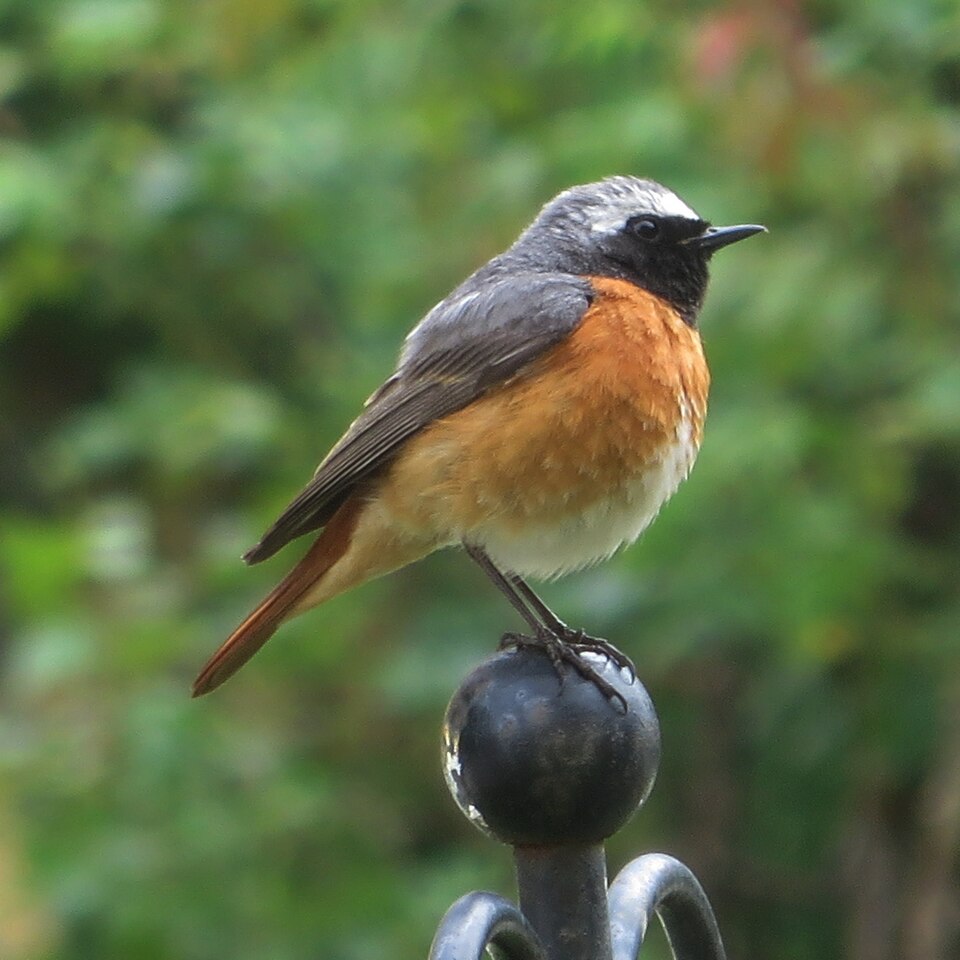 Codirosso comune
In breve
Il modo più affidabile per separare il Pigliamosche pettirosso dal Codirosso comune è concentrarsi sul modello della coda e delle ali, specialmente in volo o su uccelli posati con le code aperte. Il Pigliamosche pettirosso di tutte le età mostra una coda nera con basi bianche evidenti per le penne esterne, mentre il Codirosso comune ha una coda rosso-arancio brillante con solo le penne centrali scure. Il Codirosso comune maschio adulto mostra anche una fronte bianca e, in alcune sottospecie, una macchia alare chiara, che il Pigliamosche pettirosso non ha mai. Le femmine e gli immaturi di entrambe le specie possono essere confusi, ma il Codirosso è più grande, più snello e ha una postura più eretta, simile a quella di un pettirosso, mentre il Pigliamosche pettirosso è più piccolo e rotondo con un anello oculare bianco prominente. Le vocalizzazioni, l'habitat e il comportamento alimentare possono aiutare, ma il modello della coda e delle ali sono gli indizi più consistenti.
Consigli di identificazione
- Modello della coda (tutte le età): Il Pigliamosche pettirosso mostra sempre una coda nera con basi bianche per le penne esterne; il Codirosso comune ha una coda rosso-arancio brillante con solo le penne centrali scure. Questo è il segno di campo più affidabile, specialmente quando la coda è aperta o in volo.
- Colore e movimento della coda: La coda rosso-arancio del Codirosso comune è frequentemente tremolante e molto evidente; la coda del Pigliamosche pettirosso è più scura e di solito viene sollevata con le punte delle ali verso il basso.
- Anello oculare bianco: Il Pigliamosche pettirosso di tutte le età e sessi mostra un chiaro anello oculare bianco; il Codirosso comune non ha questo, apparendo con un volto più semplice.
- Struttura e colore del becco: Il Pigliamosche pettirosso ha un becco nero con una base rosa chiara, più estesa rispetto al Codirosso comune, ma questo è sottile e meglio visibile da vicino.
- Fronte bianca (maschio adulto Codirosso): Solo i maschi adulti del Codirosso comune hanno una fronte bianca e un volto/gola neri; il Pigliamosche pettirosso non mostra mai questa combinazione.
- Macchia della gola arancione (maschio adulto Pigliamosche pettirosso): Il maschio in riproduzione del Pigliamosche pettirosso ha una prominente macchia arancione sulla gola; le femmine e gli immaturi del Pigliamosche pettirosso non ce l'hanno, così come tutti i Codirossi comuni.
- Macchia alare (maschio Codirosso): Il maschio adulto del Codirosso comune (soprattutto le sottospecie sudorientali) mostra una macchia alare chiara o bianca; il Pigliamosche pettirosso non ha mai una macchia alare.
- Colore della parte inferiore: Il Pigliamosche pettirosso è bianco sotto (eccetto per la gola arancione nei maschi adulti); i maschi del Codirosso comune sono arancioni sui fianchi e sul ventre, sfumando a bianco centralmente. Le femmine di entrambe sono chiare sotto, ma il Codirosso è più color sabbia.
- Dimensioni e forma: Il Codirosso comune è più grande, più snello e ha una coda più lunga; il Pigliamosche pettirosso è più piccolo e rotondo. In un confronto diretto, questo può essere ovvio, ma da solo è sottile.
- Postura di appollaiamento: Il Codirosso comune spesso si appollaia in posizione eretta, simile a un pettirosso; il Pigliamosche pettirosso è più orizzontale e compatto.
- Contesto dell'habitat: Il Pigliamosche pettirosso preferisce foreste mature, spesso vicino all'acqua; il Codirosso comune è più probabile trovarlo in boschi aperti, parchi o giardini.
- Vocalizzazioni: Il Pigliamosche pettirosso canta un fischio breve, dolce e ripetitivo; il canto del Codirosso comune è più lungo, più morbido e più complesso. Anche i richiami sono diversi ma richiedono esperienza.
- Confusione stagionale: In autunno, il maschio del Codirosso comune può apparire più opaco e più simile a una femmina, ma la coda arancione e la fronte bianca (se visibile) rimangono buoni indizi. Il Pigliamosche pettirosso non mostra mai una fronte bianca o una coda arancione.
- Confusione immaturi/femmine: Le femmine e gli immaturi del Codirosso possono mostrare una leggera macchia alare chiara, ma mai un anello oculare bianco o una coda bianco e nera. Le femmine/gli immaturi del Pigliamosche pettirosso sono marroni più semplici e hanno sempre l'anello oculare bianco e il modello della coda.
- Comportamento alimentare: Entrambi si lanciano per gli insetti, ma il Codirosso è più probabile vederlo a terra o su posatoi aperti, mentre il Pigliamosche pettirosso rimane più in alto e muove la coda verso l'alto.
Taglia
Il Pigliamosche pettirosso è il più piccolo dei due, misurando circa 11–12 cm di lunghezza, solo leggermente più grande di un Ronzio eurasiatico. Il Codirosso comune è notevolmente più grande a 13–14,5 cm e anche un po' più pesante. Sul campo, il Codirosso appare spesso più snello e più allungato, mentre il Pigliamosche pettirosso appare compatto e con la coda corta in confronto. Queste differenze sono sottili ma possono essere utili quando viste fianco a fianco o con esperienza.
Piumaggio
- Uccelli giovanili/immaturi/non in riproduzione:
- Pigliamosche pettirosso: Tutte le età e i sessi mostrano una coda nera con basi bianche per le penne esterne, che è diagnostica. Le parti superiori sono di un marrone smorzato, le parti inferiori bianche, e c'è sempre un chiaro anello oculare bianco. Le femmine e gli immaturi mancano della macchia arancione sulla gola ma altrimenti assomigliano ai maschi adulti.
- Codirosso comune: Tutte le età hanno una coda rosso-arancio brillante con solo le due penne centrali di un marrone scuro. I giovanili e le femmine sono grigio-marroni sopra e chiari sotto, privi dell'anello oculare bianco del Pigliamosche pettirosso. Alcune femmine e maschi immaturi possono mostrare una leggera macchia alare chiara, specialmente nelle sottospecie sudorientali, ma questa non è mai così audace come nei maschi adulti.
- Maschi adulti in riproduzione:
- Pigliamosche pettirosso: Marrone smorzato sopra, bianco sotto, testa grigia, e una prominente macchia arancione sulla gola. Nessuna macchia alare o fronte bianca. Il becco è nero con una base rosa chiara.
- Codirosso comune: Testa e parti superiori grigio ardesia, fronte bianca, volto e gola neri, groppone, coda e fianchi arancione-castano, con una macchia alare chiara o bianca in alcune sottospecie. Le parti inferiori sfumano a bianco sul ventre. Becco e zampe neri. In autunno, i maschi appaiono più opachi a causa delle frange di piume chiare.
Comportamento
Entrambe le specie si nutrono lanciandosi dopo gli insetti, ma il Codirosso comune spesso si appollaia più eretto, ricordando un pettirosso, e frequentemente trema la sua coda rosso-arancio. Il Pigliamosche pettirosso è più probabile che muova la coda verso l'alto mentre tiene le punte delle ali verso il basso, e ispeziona foglie e rami in modo simile a un warbler. Il Codirosso è più probabile vederlo su posatoi aperti o anche a terra, mentre il Pigliamosche pettirosso tende a rimanere nella chioma o a livelli intermedi.
Habitat
Il Pigliamosche pettirosso nidifica nell'Europa orientale e in Asia centrale, preferendo foreste decidue mature o miste, specialmente vicino all'acqua. È un migrante regolare di passaggio nell'Europa occidentale. Il Codirosso comune nidifica ampiamente in tutta l'Europa e in Siberia, utilizzando boschi aperti, parchi e giardini, spesso con alberi sparsi e terreno più aperto. Entrambi sono migratori, ma il Pigliamosche pettirosso sverna in Asia meridionale, mentre il Codirosso comune sverna in Africa.
Voce
Il canto del Pigliamosche pettirosso è un fischio breve, dolce e ripetitivo, spesso preceduto da note 'zit' silenziose e seguito da una sequenza discendente, meno melodiosa rispetto alla Balia nera. Il suo richiamo è un 'zrrrt' che rattling, più lento del Taiga Flycatcher. Il canto del Codirosso comune è una strofa morbida e malinconica che dura 1–2 secondi, con una struttura in tre parti. I richiami variano a seconda della regione ma sono generalmente 'huid' in salita o monosillabici 'heed', a volte combinati con allarmi ticchettanti. Sul campo, il canto del Codirosso comune è più complesso e variabile, mentre il Pigliamosche pettirosso è più semplice e più breve.
Pigliamosche pettirosso · Codirosso comune · I miei uccelli difficili