

Rufous-cheeked Nightjar vs Freckled Nightjar
Caprimulgus rufigena contro Caprimulgus tristigma
Fai un quiz con Rufous-cheeked Nightjar e Freckled Nightjar
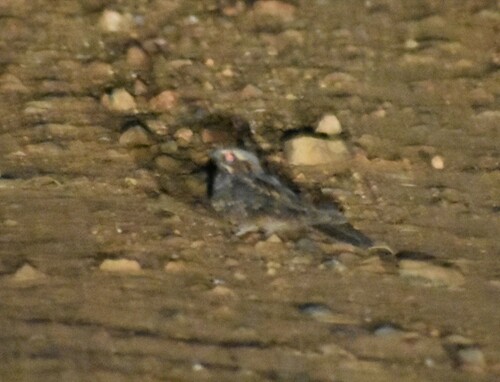 Rufous-cheeked Nightjar
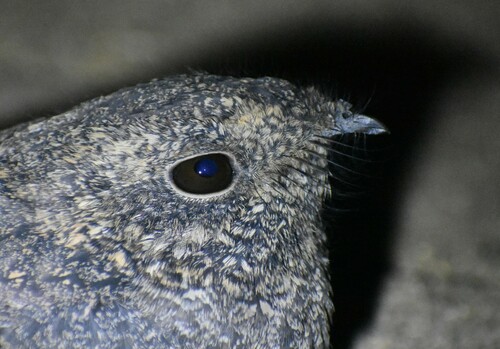 Freckled Nightjar
In breve
Il segno distintivo più affidabile tra il Rufous-cheeked Nightjar e il Freckled Nightjar è il motivo di bianco nelle ali e nella coda degli adulti in volo: i maschi di Rufous-cheeked Nightjar mostrano ampie aree bianche sulle primarie e alcune sugli angoli della coda, mentre i maschi di Freckled Nightjar hanno solo piccole macchie bianche sulle primarie esterne e punte bianche sulle piume esterne della coda. Le femmine di entrambe le specie hanno meno bianco, ma le femmine di Freckled Nightjar non hanno affatto bianco sulla coda. Strutturalmente, il Freckled Nightjar è notevolmente più grande e robusto, con ali più lunghe e una coda più corta, e appare molto più scuro e meno distintamente marcato da lontano. Entrambe le specie sono ben camuffate, ma il Freckled Nightjar si fonde con substrati rocciosi, mentre il Rufous-cheeked Nightjar è più chiaro con macchie rufous e un collare meno distintivo. L'habitat e il contesto possono aiutare: il Freckled Nightjar è fortemente associato a affioramenti rocciosi, mentre il Rufous-cheeked Nightjar preferisce terreni aperti ed è un migrante in gran parte del suo areale.
Consigli di identificazione
- Maschio in volo: Cerca l'estensione del bianco nelle primarie e nella coda. I maschi di Rufous-cheeked Nightjar hanno più bianco nelle primarie e alcune aree nella coda; i maschi di Freckled Nightjar hanno solo piccole macchie bianche nelle quattro primarie esterne e punte bianche sulle due piume esterne della coda.
- Femmina in volo: Le femmine di Freckled Nightjar hanno 3–4 piccole macchie bianche sulle primarie esterne e nessun bianco nella coda; le femmine di Rufous-cheeked Nightjar hanno segni color buff (non bianchi), ma meno estesi rispetto a Freckled.
- Uccelli in perche: A riposo, entrambe le specie nascondono le loro macchie bianche sulle ali/sulla coda, ma il colore generale differisce: il Rufous-cheeked Nightjar è più chiaro con macchie rufous e un collare meno distintivo, mentre il Freckled Nightjar è grigio scuro o quasi nero con fine punteggiatura chiara visibile solo da vicino.
- Aspetto generale: Il Freckled Nightjar è più massiccio, con ali più lunghe e una coda più corta, e si siede più eretto sulle rocce. Il Rufous-cheeked Nightjar è più piccolo e più compatto.
- Habitat: Il Freckled Nightjar si trova quasi sempre su affioramenti rocciosi, massi o terreni rocciosi; il Rufous-cheeked Nightjar preferisce terreni aperti, sabbiosi o erbosi e evita le aree rocciose.
- Camuffamento: Il piumaggio del Freckled Nightjar è adattato a substrati rocciosi, rendendolo quasi invisibile sulla pietra; il Rufous-cheeked Nightjar si fonde con la lettiera di foglie o il suolo sabbioso.
- Parte inferiore: Il Freckled Nightjar ha parti inferiori marrone scuro con striature bianche/cannella; il Rufous-cheeked Nightjar è più chiaro e più rufous sotto.
- Dimensioni: Se visti insieme o con esperienza, il Freckled Nightjar è notevolmente più grande e più pesante del Rufous-cheeked Nightjar.
- Dimorfismo sessuale: Entrambe le specie mostrano più bianco nelle ali/nella coda dei maschi, ma il motivo e l'estensione differiscono come sopra; controlla la presenza di bianco nella coda per separare i maschi.
- Giovanili: Non sono descritti segni distintivi di volo per gli immaturi; i pulcini di entrambe le specie sono estremamente ben camuffati, ma l'habitat e l'associazione con gli adulti sono indizi migliori.
- Vocalizzazione: Solo il canto del Rufous-cheeked Nightjar è descritto (lungo cinguettio di notte); la mancanza di canto non è diagnostica per il Freckled.
- Stagione: Il Rufous-cheeked Nightjar è migratorio e potrebbe essere assente dall'Africa meridionale al di fuori della stagione riproduttiva; il Freckled Nightjar è residente con forte fedeltà al sito.
- Comportamento: Il Freckled Nightjar spesso si posa su rocce esposte e scivola di nuovo nello stesso punto dopo aver foraggiato; il Rufous-cheeked Nightjar è più propenso a volare via da terreni aperti.
- Vista a distanza: Da lontano, il Freckled Nightjar appare molto più scuro e meno marcato del Rufous-cheeked Nightjar.
- Trappola: Il bianco nelle primarie è presente in entrambi, ma la quantità e la presenza/assenza nella coda sono fondamentali: cerca sempre di vedere sia il motivo dell'ala che della coda in volo per un'identificazione sicura.
Taglia
Il Freckled Nightjar è significativamente più pesante (massa adulta ~79g [wikidata]) ed è descritto come grande e robusto, con ali lunghe e una coda relativamente corta. Il Rufous-cheeked Nightjar è più piccolo (maschio 48–65g, femmina 46–66g [wikipedia]), con un profilo di nightjar più tipico. Sul campo, il Freckled Nightjar apparirà più massiccio e con ali più lunghe, specialmente in volo, mentre il Rufous-cheeked Nightjar è più compatto.
Piumaggio
- Adulti in volo: Il maschio di Rufous-cheeked Nightjar mostra più bianco nelle primarie e alcune aree bianche negli angoli della coda; la femmina ha segni color buff invece di bianchi, ma meno estesi rispetto a Freckled. I maschi di Freckled Nightjar hanno solo piccole macchie bianche sulle quattro primarie esterne e punte bianche sulle due piume esterne della coda; le femmine hanno 3–4 piccole macchie bianche sulle primarie esterne e nessun bianco nella coda. Quando sono in perche, le macchie bianche sono generalmente nascoste in entrambe le specie.
- Colorazione generale: Il Rufous-cheeked Nightjar è più chiaro, con un corpo marrone scuro e macchie rufous, e un collare rufous meno distintivo. Il Freckled Nightjar appare grigio scuro o quasi nero da lontano, con fine punteggiatura bianca, cannella e buff chiaro visibile solo a distanza ravvicinata. Le parti inferiori del Freckled Nightjar sono marrone scuro con striature bianche e cannella, mentre il Rufous-cheeked Nightjar è complessivamente più chiaro e più rufous.
- Giovanili: I pulcini di entrambe le specie sono estremamente ben camuffati, ma i giovanili di Rufous-cheeked Nightjar hanno una colorazione controshading dirompente, mentre i pulcini di Freckled Nightjar si fondono con le rocce. Non è descritto alcun motivo distintivo per le ali superiori dei giovanili di entrambe le specie.
- Dimorfismo sessuale: Entrambe le specie mostrano più bianco nelle ali/nella coda dei maschi, ma il motivo e l'estensione differiscono come sopra.
Comportamento
Il Freckled Nightjar è fortemente associato a perche rocciose ed è spesso visto seduto su massi o rive rocciose, foraggiando con brevi voli per insetti e scivolando di nuovo sulla sua perche. È più probabile che venga visto in paesaggi aperti e rocciosi, ed è meno attivo in inverno. Il Rufous-cheeked Nightjar è un migrante intra-africano, che si riproduce nelle parti meridionali del suo areale, ed è più probabile incontrarlo su terreni aperti piuttosto che su rocce. Entrambe le specie sono crepuscolari/notturne e si nutrono di insetti volanti, ma lo stile di foraggiamento del Freckled Nightjar è più legato a terreni rocciosi.
Habitat
Il Freckled Nightjar è uno specialista di affioramenti rocciosi, campi di massi e pendii rocciosi, dove il suo piumaggio fornisce un eccellente camuffamento. È raramente trovato lontano da tali habitat. Il Rufous-cheeked Nightjar preferisce terreni aperti e non è legato a aree rocciose; si riproduce nell'Africa meridionale e migra a nord nella stagione non riproduttiva. Il contesto dell'habitat è spesso un forte indizio: un nightjar su un affioramento roccioso nudo è più probabile sia un Freckled, mentre uno su terreni sabbiosi o erbosi aperti è più probabile sia un Rufous-cheeked.
Voce
I maschi di Rufous-cheeked Nightjar emettono un lungo canto continuo di cinguettio di notte durante la stagione riproduttiva, che si interrompe quando la luna è oscurata o durante gli scambi di nidi. Le vocalizzazioni del Freckled Nightjar non sono descritte nelle note fornite, quindi la voce non è un separatore affidabile basato sulle informazioni disponibili.
Rufous-cheeked Nightjar · Freckled Nightjar · I miei uccelli difficili