

See-see Partridge vs Coturnice orientale
Ammoperdix griseogularis contro Alectoris chukar
Fai un quiz con See-see Partridge e Coturnice orientale
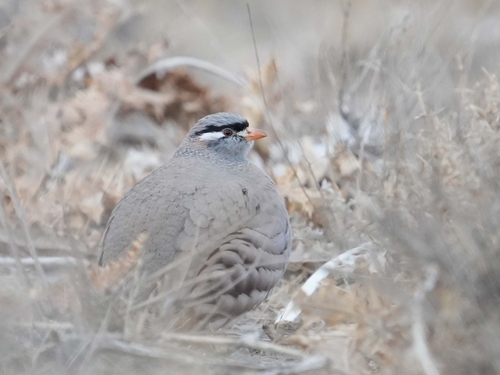 See-see Partridge
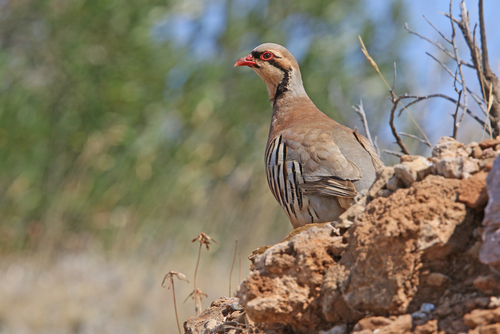 Coturnice orientale
In breve
Il segno di campo più affidabile tra See-see Partridge e Coturnice orientale è il motivo della testa: i maschi di See-see mostrano un bold supercilio nero e una macchia auricolare bianca, mentre la Coturnice orientale ha una banda nera che corre dalla fronte attraverso l'occhio e scende a formare una collana distintiva attorno a una gola bianca. Entrambe le specie sono piccole, rotonde e preferiscono correre piuttosto che volare, ma la Coturnice orientale è notevolmente più pesante e robusta. In volo o a riposo, il motivo del fianco e il colore del becco sono anche utili: i maschi di See-see hanno un becco arancione e fianchi meno marcati, mentre la Coturnice orientale mostra un becco rosso corallo e forti barre nere e bianche sui fianchi. Le femmine di entrambe sono più opache, ma le differenze di testa e becco si applicano ancora. L'habitat e il comportamento di gruppo possono aiutare, ma sono meno affidabili nelle zone di sovrapposizione.
Consigli di identificazione
- Motivo della testa (adulti, entrambi i sessi): I maschi di See-see Partridge hanno un supercilio nero e una macchia auricolare bianca; la Coturnice orientale ha una banda nera dalla fronte attraverso l'occhio, formando una collana attorno a una gola bianca. Le femmine di See-see sono più opache ma mostrano ancora una versione pallida di questo motivo.
- Colore del becco: La See-see Partridge ha un becco arancione vivido; il becco della Coturnice orientale è rosso corallo. Questo è visibile a distanza ravvicinata o in buona luce.
- Motivo del fianco: La Coturnice orientale mostra barre nere e bianche ben definite sui fianchi; la See-see Partridge ha strisce del fianco meno distinte e più attenuate.
- Dimensioni e struttura: La Coturnice orientale è molto più pesante e robusta (607.5g contro la See-see molto più leggera), con un corpo più rotondo e una coda più lunga. La See-see è più piccola e più delicata nel complesso.
- Colore delle gambe: La Coturnice orientale ha gambe rosse; il colore delle gambe della See-see non è specificato ma non è notato come diagnostico.
- Dimensione del gruppo: Fuori dalla stagione di riproduzione, la Coturnice orientale forma spesso covate più grandi (10–50 uccelli); la See-see è solitamente in coppie o in gruppi molto piccoli, anche se possono verificarsi stormi più grandi.
- Preferenza dell'habitat: La See-see preferisce terreni asciutti, aperti e rocciosi con poca vegetazione, spesso vicino all'acqua; la Coturnice orientale è più probabile che si trovi su pendii rocciosi e può tollerare terreni più ripidi e vari.
- Comportamento di volo: Entrambe le specie preferiscono correre, ma la Coturnice orientale può volare più lontano e appare più robusta in volo; la See-see è più riluttante a volare e tipicamente copre solo brevi distanze.
- Voce: Il richiamo della Coturnice orientale è forte, ripetuto e distintivo ('chuck-chuck-Coturnice orientale-Coturnice orientale'); la See-see emette un 'hwit-hwit-hwit' più morbido e fischiato.
- Differenze sessuali: I sessi della Coturnice orientale sono simili, ma le femmine sono leggermente più piccole e mancano di uno sperone; le femmine di See-see sono più opache ma mostrano ancora il motivo chiave della testa.
- Forma della coda e delle ali: Entrambi hanno ali arrotondate, ma la coda della Coturnice orientale ha 14 piume ed è relativamente più lunga, anche se questo è sottile sul campo.
- Indizi contestuali: Nelle zone di sovrapposizione, fare affidamento sul motivo della testa e sul colore del becco piuttosto che sull'habitat o sulla dimensione del gruppo, poiché entrambi possono essere variabili.
- Piumaggio giovanile/immaturo: Non sono descritte differenze specifiche nel motivo del volo o dell'ala superiore per gli immaturi, quindi concentrati sui segni strutturali e di testa/becco per tutte le età.
- Rischio di confusione: Fai attenzione alla femmina opaca di See-see Partridge, che può apparire simile alla Coturnice orientale a distanza; controlla l'assenza della collana nera e la presenza di un supercilio pallido e di una macchia auricolare.
- Quando hai dubbi: Dai priorità al motivo della testa (supercilio/macchia auricolare contro collana nera), colore del becco e barre del fianco come i tuoi principali controlli sul campo, specialmente in stormi misti o ambigui.
Taglia
La Coturnice orientale è sostanzialmente più grande e più pesante della See-see Partridge. La Coturnice orientale pesa in media circa 607.5g [wikidata], rendendola un uccello molto più robusto sul campo. La See-see Partridge è una piccola pernice, visibilmente più minuta e meno rotonda rispetto alla Coturnice orientale, anche se non è fornito un peso preciso. Quando viste insieme o con esperienza, le dimensioni e la costruzione più robusta della Coturnice orientale sono evidenti, specialmente in volo o quando sono appollaiate fianco a fianco.
Piumaggio
Non sono descritte differenze specifiche nel motivo dell'ala superiore o nel volo per gli immaturi o i giovanili in nessuna delle due specie nelle fonti. Per gli adulti, il motivo della testa e del viso è il più diagnostico: i maschi di See-see Partridge hanno un supercilio nero sorprendente, una macchia auricolare bianca e un becco arancione, con strisce del fianco contrastanti ma meno marcate. Le femmine sono più opache ma mantengono una versione pallida del motivo maschile. La Coturnice orientale ha una banda nera audace che corre dalla fronte, attraverso l'occhio, e scende a formare una collana attorno a una gola bianca, con barre nere e bianche ben marcate sui fianchi, un becco rosso corallo e gambe rosse. Entrambi i sessi della Coturnice orientale sono simili, ma le femmine sono leggermente più piccole e mancano di uno sperone. La schiena della Coturnice orientale è marrone chiaro, il petto è grigio e la pancia è color crema, con una sfumatura ruggine sui fianchi. La See-see Partridge è complessivamente più chiara e meno contrastante, specialmente sulla testa e sui fianchi. Il colore del becco è un controllo rapido: arancione nella See-see, rosso corallo nella Coturnice orientale.
Comportamento
Entrambe le specie preferiscono correre quando disturbate e volano solo brevi distanze su ali arrotondate. La See-see Partridge è solitamente vista in coppie o in gruppi molto piccoli (2–4), anche se possono verificarsi stormi più grandi. La Coturnice orientale forma covate più grandi nella stagione non riproduttiva, spesso 10 o più, a volte fino a 50 uccelli, ed è più probabile che venga vista in gruppi più grandi al di fuori della stagione di riproduzione. Entrambe le specie scendono nelle valli in inverno e sono generalmente sedentari, ma la Coturnice orientale può viaggiare più lontano per l'acqua. In volo, la Coturnice orientale è più robusta e può volare più lontano della See-see, che è più riluttante a prendere il volo.
Habitat
La See-see Partridge preferisce i piedi montani asciutti e rocciosi con vegetazione scarsa o assente, spesso su terreni più pianeggianti e vicino all'acqua, evitando gole strette, creste o fitte coperture arboree. Si trova in Medio Oriente e nel sud dell'Asia centrale, tipicamente fino a 2.000 m di altitudine. La Coturnice orientale è anche un uccello di montagna, che favorisce i pendii rocciosi e il paese aperto, ma è più diffusa nel Paleartico e può trovarsi in habitat simili. Entrambe evitano le foreste dense, ma la See-see è più strettamente legata a terreni aperti, piatti o leggermente ondulati e rocciosi, mentre la Coturnice orientale può essere trovata su pendii più ripidi ed è più tollerante nei confronti di terreni vari.
Voce
La See-see Partridge emette un 'hwit-hwit-hwit' fischiato, che è più morbido e meno rauco della Coturnice orientale. Il richiamo della Coturnice orientale è un 'chuck-chuck-Coturnice orientale-Coturnice orientale' forte e ripetuto, spesso emesso in serie e facilmente udibile a distanza. La Coturnice orientale è molto più rumorosa, specialmente al mattino e alla sera, e i suoi richiami possono suscitare risposte da altri uccelli. La See-see è generalmente più silenziosa e meno propensa a chiamare in modo persistente.
See-see Partridge · Coturnice orientale · I miei uccelli difficili