

Slaty-backed Flycatcher vs Rufous-gorgeted Flycatcher
Ficedula erithacus contro Ficedula strophiata
Fai un quiz con Slaty-backed Flycatcher e Rufous-gorgeted Flycatcher
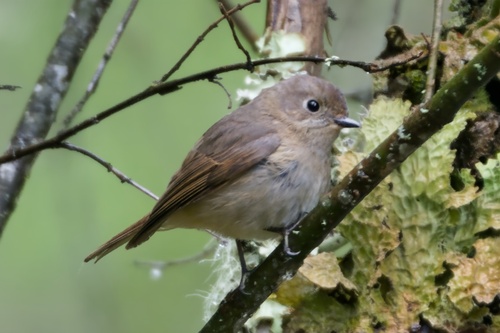 Slaty-backed Flycatcher
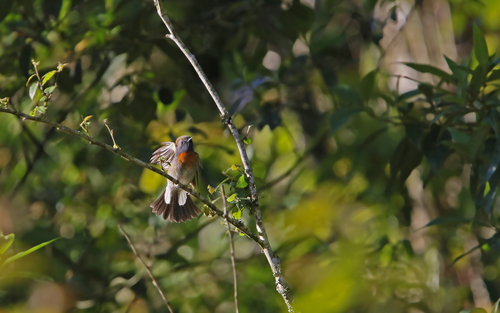 Rufous-gorgeted Flycatcher
In breve
Il modo più affidabile per separare il Slaty-backed Flycatcher dal Rufous-gorgeted Flycatcher sul campo è concentrarsi sulle differenze nel piumaggio, in particolare sulla presenza o assenza di una macchia rufous sulla gola (gorget) negli adulti. Entrambe le specie sono piccoli e attivi flycatcher delle foreste montane asiatiche e possono sovrapporsi in distribuzione e habitat. Le differenze strutturali sono sottili e non ben documentate nelle fonti disponibili, quindi il piumaggio—soprattutto sulla gola e nelle parti superiori—rimane la tua migliore opzione. Gli uccelli immaturi possono essere più difficili, poiché i modelli di ali e volo specifici per età non sono descritti nelle fonti.
Consigli di identificazione
- Il colore della gola degli adulti è fondamentale: I maschi del Rufous-gorgeted Flycatcher hanno una prominente macchia rufous-arancio sulla gola (gorget), che è assente nel Slaty-backed Flycatcher. Questo è il segno più affidabile per gli adulti.
- Colorazione delle parti superiori: Il Slaty-backed Flycatcher mostra un dorso e una corona grigio-bluastro, mentre il Rufous-gorgeted tende ad avere parti superiori più opache e marroni. Questa differenza è sottile ma può aiutare, soprattutto in buona luce.
- Femmine e immaturi: Le femmine e i giovani di entrambe le specie possono mancare del gorget completo. In questi casi, cerca il tono complessivo più freddo (più grigio) del Slaty-backed rispetto ai toni più caldi e marroni del Rufous-gorgeted.
- Nessuna differenza documentata nei modelli delle ali: Non ci sono segni di ali o di volo specifici per età descritti per nessuna delle due specie, quindi non fare affidamento su pannelli delle ali o modelli di volo per la separazione.
- Sovrapposizione degli habitat: Entrambe le specie possono verificarsi insieme nelle foreste montane, quindi non usare l'habitat da solo come separatore nelle regioni sovrapposte.
- La dimensione non è utile: Entrambe sono simili in dimensioni; il Rufous-gorgeted pesa in media 12.5g, ma questo non è un segno sul campo.
- Il comportamento è simile: Entrambi si lanciano per catturare insetti e si posano in modi simili; non usare il comportamento per la separazione.
- Contesto stagionale: Entrambe le specie possono essere trovate nelle stesse regioni in inverno, quindi il periodo dell'anno non è un forte separatore.
- Differenze sessuali: I maschi sono più facili da separare a causa del gorget; le femmine e gli immaturi richiedono maggiore cautela e affidamento su sottili differenze di colore.
- L'illuminazione è importante: Differenze sottili nel colore delle parti superiori possono essere mascherate o esagerate dall'illuminazione—cerca di osservare gli uccelli in luce naturale e da più angolazioni.
- Essere onesti riguardo all'incertezza: Se non riesci a vedere chiaramente la gola e il colore delle parti superiori è ambiguo, potrebbe non essere possibile identificare l'uccello con certezza.
- Fotografare quando possibile: Per individui difficili, specialmente immaturi o femmine, una foto può consentire un confronto successivo con immagini di riferimento.
- Controlla più caratteristiche: Non fare mai affidamento su un singolo segno (eccetto il gorget adulto); usa una combinazione di colore della gola, tono delle parti superiori e contesto.
- Consulta le liste di controllo locali: In alcune aree, una specie può essere molto più comune dell'altra, ma entrambe possono verificarsi insieme in parti del loro areale.
- Rivedi le immagini di riferimento: Familiarizza con la gamma di variazione in entrambe le specie, specialmente per i piumaggi non riproduttivi e immaturi.
Taglia
Solo il Rufous-gorgeted Flycatcher ha una massa corporea media documentata (12.5g [wikidata]), ma entrambe le specie sono simili in dimensioni e probabilmente si sovrappongono sul campo. Qualsiasi differenza di dimensione è sottile e non è un segno affidabile sul campo con i binocoli.
Piumaggio
Per gli adulti, il Rufous-gorgeted Flycatcher è chiamato per la sua distintiva macchia rufous-arancio sulla gola (il 'gorget'), che è assente nel Slaty-backed Flycatcher. Il Slaty-backed Flycatcher ha una colorazione delle parti superiori grigio-bluastro, specialmente sulla schiena, che è meno pronunciata o assente nel Rufous-gorgeted. Entrambe le specie hanno schemi tipici di flycatcher Ficedula, ma il gorget è il segno distintivo per gli adulti. Non ci sono informazioni dettagliate sui modelli delle ali o segni di volo per gli uccelli giovanili o immaturi per nessuna delle due specie nelle fonti disponibili, quindi queste età possono essere più difficili da separare senza la colorazione della gola. Le femmine e gli immaturi di entrambe le specie possono mancare del gorget adulto completo, rendendo la separazione difficile e richiedendo attenzione ai sottili differenze nella colorazione delle parti superiori.
Comportamento
Entrambe le specie sono tipici piccoli flycatcher, che si lanciano da posatoi per catturare insetti e muovono frequentemente le loro code. Non sono state notate differenze comportamentali nelle fonti disponibili che possano separarle affidabilmente sul campo.
Habitat
Entrambe le specie si trovano in foreste montane umide subtropicali o tropicali e possono sovrapporsi negli Himalaya orientali, nella Cina centrale/sud e nel nord dell'Indocina. Il Slaty-backed Flycatcher può anche essere trovato in foreste umide di pianura, mentre il Rufous-gorgeted è più strettamente montano. Tuttavia, l'habitat da solo non è un separatore affidabile dove i loro areali si sovrappongono, poiché entrambi possono essere trovati in tipi di foresta simili.
Slaty-backed Flycatcher · Rufous-gorgeted Flycatcher · I miei uccelli difficili