
Voltolino vs Schiribilla
Porzana porzana contro Zapornia parva
Fai un quiz con Voltolino e Schiribilla
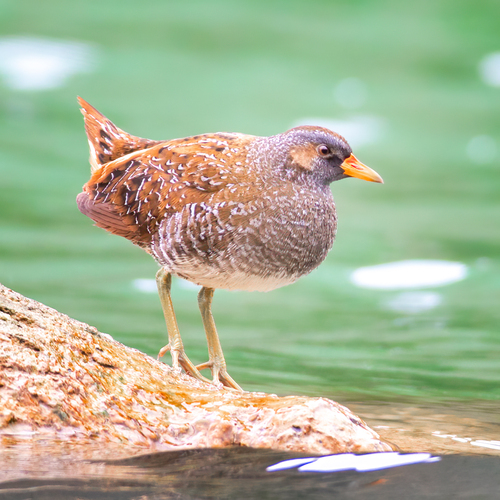 Voltolino
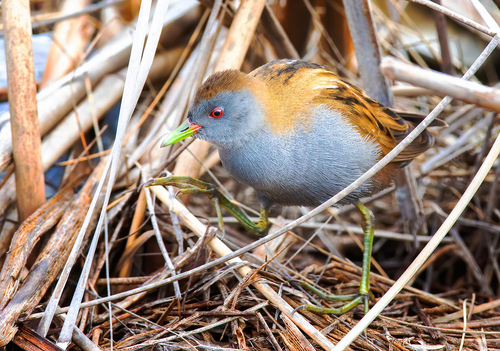 Schiribilla
In breve
Il segno di campo più affidabile per separare il Voltolino dalla Schiribilla è la presenza o assenza di macchie bianche audaci e bande scure sui fianchi: il Voltolino mostra entrambi, mentre la Schiribilla non le ha affatto. I maschi adulti di Schiribilla hanno un volto e parti inferiori blu-grigio, ma le femmine e gli immaturi sono color sabbia sotto e possono assomigliare al Voltolino, rendendo il pattern dei fianchi cruciale. Entrambe le specie hanno becchi gialli corti e dritti con una base rossa e gambe verdi con lunghe dita, ma la Schiribilla è leggermente più piccola e ha una coda più corta con bande nere e bianche distintive sotto. Le piume immature sono simili in entrambe, ma il colore del volto e del petto differisce sottilmente. Sul campo, concentrati prima sui fianchi e poi controlla il colore della parte inferiore della coda e del volto per conferma.
Consigli di identificazione
- Controlla prima i fianchi: Il Voltolino mostra sempre macchie bianche audaci e bande scure sui fianchi; i fianchi della Schiribilla sono semplici, senza macchie o bande. Questo è il segno più affidabile per tutte le età e i sessi.
- Pattern della coda in coda sollevata o aperta: Il Voltolino ha copritail buff; la Schiribilla mostra bande nere e bianche sotto la coda. Cerca questo quando l'uccello sbatte o solleva la coda.
- Volto e parti inferiori del maschio adulto: Il maschio adulto di Schiribilla ha un volto blu-grigio e parti inferiori blu-grigio non marcate, in contrasto con il petto blu-grigio del Voltolino e i fianchi macchiati/bandati. Le femmine e gli immaturi di Schiribilla sono color sabbia sotto, con solo il volto grigio (femmina) o bianco (immaturo).
- Colore e forma del becco: Entrambi hanno becchi gialli corti e dritti con una base rossa, quindi questo non è un separatore forte. Non fare affidamento solo sul colore del becco.
- Gambe e dita: Entrambi hanno gambe verdi e lunghe dita, quindi il colore delle gambe non è diagnostico.
- Dimensioni e struttura: La Schiribilla è leggermente più piccola e più delicata, ma la sovrapposizione delle dimensioni è significativa e non affidabile sul campo a meno che entrambe le specie siano presenti.
- Parte superiore: Entrambe le specie hanno principalmente parti superiori marroni; questo non è utile per la separazione.
- Parte inferiore giovanile/immatura: Il Voltolino immaturo non ha blu-grigio sul petto, essendo marrone sotto, ma mostra ancora le macchie e le bande sui fianchi. La Schiribilla immatura è simile alla femmina ma con un volto e un petto bianchi e fianchi semplici.
- Dimorfismo sessuale nella Schiribilla: Solo la Schiribilla mostra un forte dimorfismo sessuale; i maschi sono blu-grigio sotto, le femmine sono color sabbia sotto con grigio solo sul volto. I sessi del Voltolino sono simili.
- Viste in volo: Se spaventati, concentrati sul pattern dei fianchi e sul colore della parte inferiore della coda. Il Voltolino mostra fianchi macchiati/bandati e parte inferiore della coda buff; la Schiribilla mostra fianchi semplici e parte inferiore della coda a bande nere e bianche.
- Comportamento: Entrambi sono riservati e si muovono attraverso la vegetazione densa; il comportamento non è un separatore affidabile.
- Habitat: Entrambi utilizzano habitat umidi simili; non fare affidamento sull'habitat per la separazione in aree sovrapposte.
- Voce: Se senti un richiamo 'kua' abbaiante, sospetta la Schiribilla, specialmente durante la migrazione. Il richiamo del Voltolino non è descritto qui.
- Trappole: Le femmine e gli immaturi di Schiribilla possono assomigliare al Voltolino nella colorazione generale, ma non mostreranno mai macchie o bande sui fianchi. Controlla sempre attentamente i fianchi.
- Pulcini: I pulcini di entrambe le specie sono neri e lanosi; non separabili a questa età.
Taglia
Il Voltolino è leggermente più grande, con una lunghezza di 19–22,5 cm e circa 80 g di massa, rispetto alla lunghezza di 17–19 cm della Schiribilla (massa non specificata, ma costantemente descritta come più piccola) [wikipedia][wikidata]. La differenza è sottile e potrebbe non essere ovvia a meno che entrambe le specie non siano viste fianco a fianco, ma il Voltolino appare generalmente un po' più robusto e lungo. Entrambi hanno proporzioni simili, con code corte e lunghe dita, ma l'aspetto generale della Schiribilla è più delicato.
Piumaggio
Il pattern dei fianchi è il più diagnostico: il Voltolino (tutte le età) ha macchie bianche audaci e bande scure sui fianchi, mentre la Schiribilla (tutte le età e sessi) non ha né l'uno né l'altro, mostrando fianchi semplici. L'adulto Voltolino ha parti superiori marroni, petto blu-grigio e una coda corta con buff sotto. L'adulto maschio di Schiribilla ha parti superiori marroni e un volto e parti inferiori blu-grigio, ma le parti inferiori non sono marcate e la coda è a bande nere e bianche sotto. La femmina di Schiribilla è color sabbia sotto con grigio solo sul volto, e gli immaturi sono simili alle femmine ma con un volto e un petto bianchi. Gli immaturi del Voltolino sono marroni sotto (non blu-grigio), ma mostrano ancora le macchie e le bande sui fianchi. I pulcini di entrambe le specie sono neri e lanosi. In volo o quando la coda è sollevata, il Voltolino mostra una parte inferiore della coda buff, la Schiribilla mostra bande nere e bianche.
Comportamento
Entrambe le specie sono riservate, setacciando nel fango o in acque poco profonde per insetti e animali acquatici. La Schiribilla è particolarmente elusiva durante la stagione di nidificazione e più probabile da essere udita che vista, ma può essere più visibile e vocale durante la migrazione. Il Voltolino è simile nel comportamento ma potrebbe essere leggermente più probabile da vedere in aree paludose aperte. Nessuna delle due specie è probabile che si spaventi lontano; entrambe si muovono attraverso la vegetazione densa.
Habitat
Entrambe le specie nidificano in paludi e canneti in Europa e in Asia occidentale, ma la Schiribilla è più comune nell'Europa orientale e sverna in Africa. Il Voltolino è più diffuso in tutta l'Europa temperata. Entrambi preferiscono vegetazione densa e umida, ma la Schiribilla può nidificare in canneti leggermente più asciutti. La sovrapposizione degli habitat è sostanziale, quindi il contesto non è un forte separatore.
Voce
La Schiribilla è nota per un richiamo 'kua' abbaiante, specialmente durante la migrazione. Il richiamo del Voltolino non è descritto nelle note, quindi la vocalizzazione è utile solo se si sente il richiamo distintivo della Schiribilla. Entrambi sono più spesso rilevati dalla voce che dalla vista durante la stagione di nidificazione.