

Spruce Grouse vs Least Grebe
Canachites canadensis contro Tachybaptus dominicus
Fai un quiz con Spruce Grouse e Least Grebe
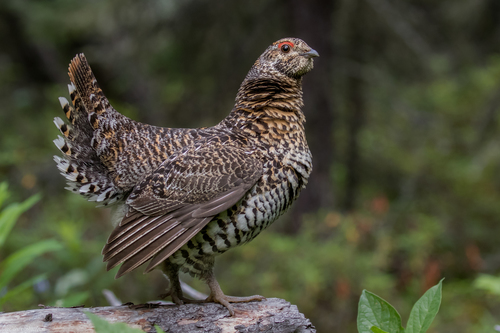 Spruce Grouse
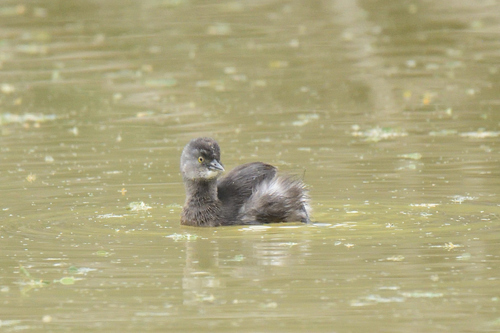 Least Grebe
In breve
La Pernice di Spruce e il Least Grebe sono estremamente improbabili da confondere sul campo a causa della loro struttura, habitat e comportamento radicalmente diversi, ma la confusione può sorgere in foto o con scarse visuali di immaturi. La separazione più affidabile è strutturale: la Pernice di Spruce è un uccello terrestre robusto, simile a un pollo, con un becco corto e spesso, mentre il Least Grebe è un piccolo subacqueo acquatico con un becco affilato e appuntito e si trova basso nell'acqua. In volo, il Least Grebe mostra una distintiva macchia bianca sulle ali (in tutte le età), assente nella Pernice di Spruce. Le femmine e i giovani della Pernice di Spruce possono essere criptici, ma le loro parti inferiori barrate e la coda scura con una banda terminale chiara differiscono dall'aspetto più semplice e chiaro del grebe. L'habitat è un forte indizio: la Pernice di Spruce si trova nelle foreste boreali, il Least Grebe solo sull'acqua.
Consigli di identificazione
- Il contesto dell'habitat è decisivo: La Pernice di Spruce si trova solo nelle foreste di conifere, mai sull'acqua; il Least Grebe si trova solo sull'acqua, mai negli interni delle foreste.
- Struttura: La Pernice di Spruce è un uccello robusto, a forma di pollo, con un becco corto e spesso e zampe forti; il Least Grebe è un piccolo uccello acquatico a corpo rotondo con un becco affilato e appuntito e zampe posizionate indietro per il tuffo.
- Schema di volo: Il Least Grebe mostra una distintiva macchia bianca sulle ali in volo a tutte le età; la Pernice di Spruce non ha bianco nelle ali, anche se alcune razze hanno più o meno bianco nelle parti inferiori.
- Schema della coda: Le femmine e i giovani della Pernice di Spruce hanno una coda scura con una banda terminale chiara; la coda del Least Grebe è corta e non ovviamente marcata, spesso non visibile mentre si trova bassa nell'acqua.
- Piumaggio - maschi adulti: I maschi della Pernice di Spruce sono grigi sopra, neri sotto, con macchie bianche sui lati e un pettine rosso sopra l'occhio; il Least Grebe è grigio-bruno sopra, più scuro sulla corona e sulla gola, con un occhio giallo e senza pettine facciale.
- Piumaggio - femmine/immaturi: Le femmine e i giovani della Pernice di Spruce sono fortemente barrati e maculati, con barre scure e bianche sotto; gli immaturi del Least Grebe sono lisci, grigi e più chiari, privi di barrature o maculature pesanti.
- Colore e forma del becco: La Pernice di Spruce ha un becco corto, spesso, simile a quello della pernice; il Least Grebe ha un becco sottile e appuntito, tipico dei grebe.
- Zampe e postura: La Pernice di Spruce sta eretta o si posa sugli alberi; il Least Grebe si trova basso nell'acqua, raramente sta in piedi o cammina e non può posarsi.
- Comportamento quando allarmato: La Pernice di Spruce può volare via con un volo corto e diretto o arrampicarsi sugli alberi; il Least Grebe tuffa o nuota via, raramente vola a meno che non sia costretto.
- Display: I maschi della Pernice di Spruce possono produrre forti battiti d'ali in display territoriale; il Least Grebe non si esibisce in questo modo.
- Colore degli occhi: Il Least Grebe ha un occhio giallo brillante, visibile da vicino; l'occhio della Pernice di Spruce è scuro, con un pettine rosso nei maschi.
- Dimensioni: La Pernice di Spruce è molto più grande e pesante del Least Grebe; anche una vista distante dovrebbe suggerire la differenza se il contesto è noto.
- Piume della corona: La Pernice di Spruce non erige le piume della corona quando è allarmata (a differenza della Ruffed Grouse); la corona del Least Grebe è liscia e scura.
- Vocalizzazioni: Nessuna delle due specie è probabile che venga identificata dalla voce in campo; la Pernice di Spruce è quasi silenziosa, le chiamate del Least Grebe non sono descritte qui.
- Sovrapposizione geografica: La Pernice di Spruce è settentrionale e boreale; il Least Grebe è meridionale, trovato dagli Stati Uniti meridionali fino all'America del Sud. La sovrapposizione è minima, ma sono possibili vagabondi.
Taglia
La Pernice di Spruce è molto più grande e pesante del Least Grebe. Gli adulti della Pernice di Spruce misurano 38–43 cm (15–17 in) di lunghezza e pesano 450–650 g (16–23 oz) [wikipedia], mentre il Least Grebe misura solo 21–27 cm (8.3–10.6 in) e pesa circa 122.5 g in media [wikidata]. Anche il più piccolo dei Pernici di Spruce è più di tre volte la massa di un Least Grebe. Sul campo, la Pernice di Spruce appare come un uccello di dimensioni medie, robusto e simile a un pollo; il Least Grebe è un piccolo uccello acquatico a corpo rotondo, notevolmente più piccolo di qualsiasi altro grebe.
Piumaggio
I giovani e gli adulti del Least Grebe di tutte le età mostrano una macchia bianca sulle ali in volo, un segno chiave non presente nella Pernice di Spruce a nessuna età. I giovani e le femmine della Pernice di Spruce sono maculati di marrone o grigio con parti inferiori barrate e una coda scura con una banda chiara, mentre gli immaturi del Least Grebe sono più semplici e grigi, con una gola più chiara e senza barrature. I maschi adulti della Pernice di Spruce sono per lo più grigi sopra e neri sotto con macchie bianche lungo i lati e un distintivo pettine rosso sopra l'occhio, mentre gli adulti del Least Grebe sono grigio-bruni sopra, con corona scura e hanno un occhio giallo. Il Least Grebe non ha alcun castano sul collo, a differenza di altri grebe, ma questo non è rilevante per la Pernice di Spruce. In sintesi: la Pernice di Spruce è fortemente barrata e maculata, il Least Grebe è liscio e scuro con un lampo bianco in volo.
Comportamento
La Pernice di Spruce è terrestre e spesso si posa nelle conifere, a volte muovendosi sugli alberi ma per lo più cercando cibo a terra. È generalmente silenziosa e può volare via con un volo corto e diretto, a volte esibendosi con un forte battito d'ali (maschi). Il Least Grebe è strettamente acquatico, raramente visto fuori dall'acqua tranne che al nido, ed è un nuotatore e tuffatore agile. Si trova basso nell'acqua, spesso immergendosi o tuffandosi quando è allarmato, e non è in grado di camminare bene sulla terra. I loro comportamenti sono così diversi che vedere uno sulla terra o in acqua è un forte indizio.
Habitat
La Pernice di Spruce è confinata alle foreste boreali di conifere (taiga) del Nord America, specialmente nelle foreste dominate da abeti. Non si trova mai su acque aperte. Il Least Grebe abita una vasta gamma di zone umide d'acqua dolce, stagni, laghi, paludi e corsi d'acqua a lento scorrimento, spesso con vegetazione emergente densa. Non si trova mai negli interni delle foreste o lontano dall'acqua. Se l'uccello è in un albero o in boschi fitti, è una Pernice di Spruce; se sta nuotando o tuffandosi, è un Least Grebe.
Voce
La Pernice di Spruce è tra le pernici più silenziose, raramente vocalizza, ma i maschi possono produrre battiti d'ali non vocali o un leggero tambureggiamento durante le esibizioni. Le vocalizzazioni del Least Grebe non sono descritte nelle note fornite, ma i grebe in generale possono emettere trilli o nitriti leggeri, specialmente al nido. In pratica, nessuna delle due specie è probabile che venga identificata solo dalla voce sul campo.