

Tenerife Blue Chaffinch vs Gran Canaria Blue Chaffinch
Fringilla teydea contro Fringilla polatzeki
Fai un quiz con Tenerife Blue Chaffinch e Gran Canaria Blue Chaffinch
 Tenerife Blue Chaffinch
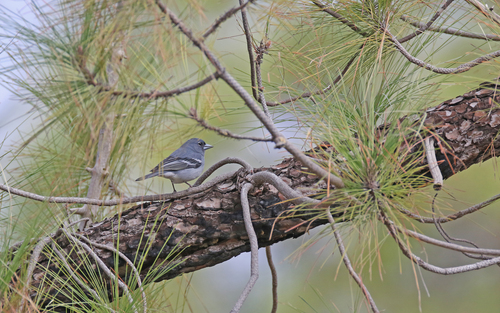 Gran Canaria Blue Chaffinch
In breve
Il segno di campo più affidabile per separare questi due fringuelli blu è la presenza di due distinti barre alari bianche sul Gran Canaria Blue Chaffinch, che sono assenti o molto più deboli sul Tenerife Blue Chaffinch. I maschi adulti di entrambe le specie sono blu, ma l'uccello di Gran Canaria è più chiaro sotto e meno blu nel complesso, mentre il maschio di Tenerife è di un blu più profondo e uniforme. Le femmine di entrambe le specie sono di un grigio-marrone opaco, ma la femmina di Gran Canaria ha barre alari più forti. Anche la dimensione è utile: il Tenerife Blue Chaffinch è notevolmente più grande e robusto, con un becco più spesso. Queste differenze sono meglio visibili a distanza ravvicinata o in buona luce, ma anche da lontano, le barre alari e la dimensione complessiva possono spesso essere individuate.
Consigli di identificazione
- Barre alari bianche: Il Gran Canaria Blue Chaffinch mostra sempre due chiare barre alari bianche sull'ala chiusa, visibili in tutte le livree e età. Il Tenerife Blue Chaffinch ha barre alari molto più deboli o assenti—questo è il modo più veloce per separarli a qualsiasi età.
- Dimensione e robustezza complessiva: Il Tenerife Blue Chaffinch è notevolmente più grande e robusto, specialmente nella testa e nel becco. Se vedi un fringuello blu robusto e con una testa pesante, è probabile che sia Tenerife.
- Spessore del becco: Il becco del Tenerife Blue Chaffinch è più spesso e pesante rispetto a quello del Gran Canaria, particolarmente evidente nei maschi.
- Livrea maschile (riproduzione): I maschi del Tenerife Blue Chaffinch sono di un blu profondo e uniforme con un becco grigio e senza cappuccio scuro. I maschi di Gran Canaria sono più chiari sotto, con meno blu nel complesso e una pancia più bianca.
- Livrea femminile: Entrambi sono di un grigio-marrone opaco, ma le femmine di Gran Canaria hanno barre alari bianche più forti e più evidenti. Le femmine di Tenerife sono più semplici con barre alari deboli o assenti.
- In perche' vs. in volo: Le barre alari bianche del Gran Canaria Blue Chaffinch sono visibili sia quando è in perche' che in volo. Controlla sempre queste barre se l'uccello si spaventa o muove le ali.
- Assenza di cappuccio scuro: Entrambe le specie mancano del cappuccio scuro del fringuello comune, ma questo non aiuta a separarli l'uno dall'altro.
- Posizione: Se sei a Tenerife, stai vedendo il Tenerife Blue Chaffinch; se sei a Gran Canaria (soprattutto a Inagua, Ojeda, Pajonales), è il Gran Canaria Blue Chaffinch. L'areale è un indizio forte a causa del loro stretto endemismo.
- Uniformità della livrea: Il Tenerife Blue Chaffinch è più uniforme nel colore, specialmente nei maschi, mentre gli uccelli di Gran Canaria sono più chiari sotto e meno blu nel complesso.
- Schema alare nei giovani/immaturi: Anche nei giovani uccelli, le barre alari bianche del Gran Canaria Blue Chaffinch dovrebbero essere visibili e sono un segno chiave.
- Colore del becco: Il maschio in riproduzione del Tenerife Blue Chaffinch ha un becco grigio, che può aiutare nelle osservazioni ravvicinate.
- Contesto dell'habitat: Entrambi si trovano in foreste di pini mature, ma il Gran Canaria Blue Chaffinch è estremamente ristretto—se sei fuori dalle foreste di pini di Inagua, è improbabile che tu lo veda.
- Abbondanza relativa: Il Tenerife Blue Chaffinch è più diffuso e comune all'interno del suo areale; il Gran Canaria Blue Chaffinch è in pericolo critico e estremamente localizzato.
- Nessuna differenza vocale affidabile: Non sono state notate distinzioni vocali nelle fonti, quindi non fare affidamento su richiami o canti per la separazione.
- Trappole comuni: Barre alari deboli su una femmina opaca o immatura possono suggerire Tenerife, ma controlla sempre anche barre bianche deboli per evitare confusione con gli uccelli di Gran Canaria.
Taglia
Il Tenerife Blue Chaffinch è costantemente più grande: i maschi pesano 31–33 g e le femmine 28–30 g, rispetto ai maschi del Gran Canaria Blue Chaffinch che pesano 27–29 g e le femmine 26–28 g [wikipedia]. Sul campo, gli uccelli di Tenerife appaiono più robusti e massicci, specialmente nella testa e nel becco. Questa differenza di dimensione può essere sottile a meno che entrambi non siano visti fianco a fianco, ma in un confronto diretto, gli uccelli di Tenerife hanno una struttura decisamente più pesante.
Piumaggio
- Uccelli giovani e immaturi: Non sono forniti dettagli specifici sullo schema alare giovanile/immaturo, ma il Gran Canaria Blue Chaffinch di tutte le età mostra due chiare barre alari bianche, che sono molto più deboli o assenti nel Tenerife Blue Chaffinch. Questo è il segno di campo più consistente in tutte le livree.
- Maschi adulti: I maschi del Tenerife Blue Chaffinch sono di un blu profondo e uniforme con un becco grigio e mancano di un cappuccio scuro. I maschi di Gran Canaria sono più chiari sotto, con meno blu nel complesso e una pancia più bianca, e mostrano due barre alari bianche.
- Femmine: Entrambi sono di un grigio-marrone opaco, ma le femmine di Gran Canaria hanno barre alari più forti e più evidenti rispetto alle femmine di Tenerife, le cui barre alari sono deboli o appena visibili. Entrambi mancano del cappuccio scuro del fringuello comune.
- Becco: Il Tenerife Blue Chaffinch ha un becco visibilmente più spesso in tutte le livree.
- In perche' e in volo: Le barre alari bianche del Gran Canaria Blue Chaffinch sono visibili sia in perche' che in volo, e le parti inferiori più chiare contrastano con il blu o grigio più uniforme degli uccelli di Tenerife.
Comportamento
Entrambe le specie si comportano in modo simile, nutrendosi principalmente di semi di pino e foraggiando nella chioma e sul terreno. Non sono state notate forti differenze comportamentali per l'identificazione sul campo. Entrambi sono non migratori e si riproducono nelle foreste di pini, e entrambi nutrono i loro piccoli con insetti. Sul campo, i loro movimenti e stile di alimentazione non sono affidabili per la separazione.
Habitat
Entrambe le specie sono ristrette alle rispettive isole e si trovano in foreste mature di pino delle Canarie (Pinus canariensis). Il Tenerife Blue Chaffinch è più diffuso su Tenerife, mentre il Gran Canaria Blue Chaffinch è estremamente localizzato, trovato solo nelle foreste di pini montane di Inagua, Ojeda e Pajonales a Gran Canaria. Se sei fuori da queste aree specifiche, la specie presente è quasi certamente l'endemico locale.
Tenerife Blue Chaffinch · Gran Canaria Blue Chaffinch · I miei uccelli difficili