
Usignolo maggiore vs Usignolo
Luscinia luscinia contro Luscinia megarhynchos
Fai un quiz con Usignolo maggiore e Usignolo
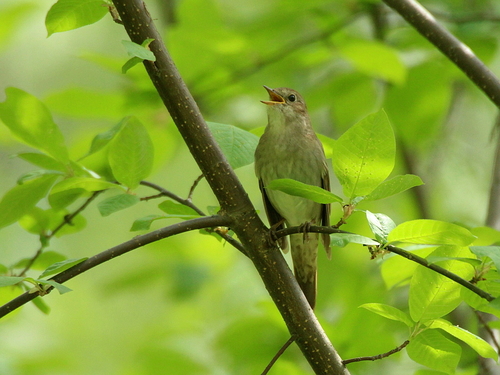 Usignolo maggiore
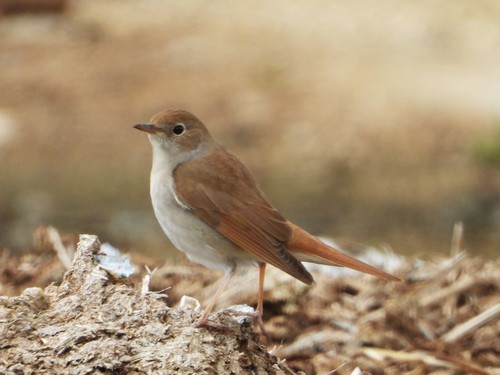 Usignolo
In breve
Il segno di campo più affidabile per separare Usignolo maggiore da Usignolo è il tono e il modello generale delle parti superiori e della coda: Usignolo maggiore è di un marrone scuro uniforme sopra senza toni rugginosi evidenti, mentre Usignolo mostra una coda e un sopracciglio rugginosi distinti che contrastano con le parti superiori marroni più semplici. Gli Usignoli maggiori giovanili e adulti sono entrambi più scuri e più maculati sotto, con un aspetto grigio-marrone nuvoloso, mentre l'Usignolo è più pulito e più chiaro sotto. In volo o posato, cerca l'assenza di rugginoso nella coda e nelle parti superiori per l'Usignolo maggiore. Entrambe le specie sono simili in dimensioni e forma, ma le sottili differenze nel piumaggio e nella colorazione generale sono fondamentali, specialmente in scarsa luce o copertura densa.
Consigli di identificazione
- Colore e contrasto della coda (tutte le età): L'Usignolo mostra una coda e un sopracciglio rugginosi brillanti che contrastano con il dorso marrone, particolarmente evidenti quando l'uccello muove la coda o in volo. La coda dell'Usignolo maggiore è di un marrone rugginoso più scuro e non si distingue dalle parti superiori marroni uniformemente scure.
- Tono generale delle parti superiori (tutte le età): L'Usignolo maggiore è di un marrone scuro uniforme sopra, con una leggera sfumatura olivastro e senza toni rugginosi. L'Usignolo è marrone più chiaro sopra, con un sopracciglio e una coda rugginosi più caldi.
- Modello delle parti inferiori (tutte le età, specialmente i giovanili): L'Usignolo maggiore ha un aspetto nuvoloso e maculato sotto, con macchie marroni sui lati della gola e del petto. L'Usignolo è più pulito e più chiaro sotto, da beige a bianco, con poche o nessuna maculatura.
- Modello del viso (adulti, specialmente sottospecie orientali): Alcuni Usignoli (L. m. golzi, L. m. africana) mostrano un supercilium chiaro e un modello del viso più forte, che l'Usignolo maggiore non ha. La maggior parte degli Usignoli maggiori ha lore e copritrici auricolari marrone scuro.
- Piumaggio giovanile: Gli Usignoli maggiori giovanili sono più scuri e più pesantemente maculati sotto rispetto agli Usignoli giovanili.
- Modello delle ali e delle ali superiori: Entrambe le specie hanno ali semplici, ma quelle dell'Usignolo sono leggermente più calde e con toni rugginosi; questo è sottile e non sempre affidabile.
- Colore del becco, delle zampe e degli occhi: Entrambe le specie hanno becchi, zampe e piedi marroni, e iridi marrone scuro; queste caratteristiche non sono utili per la separazione.
- Canto: Se ascoltato bene, il canto dell'Usignolo maggiore è più solenne e meno vario rispetto al famoso canto musicale e variabile dell'Usignolo. Usare con cautela a meno che non si sia esperti.
- Habitat e distribuzione: Nell'Europa settentrionale e orientale, specialmente in sottoboschi umidi e densi, è più probabile trovare l'Usignolo maggiore. Nell'Europa meridionale e occidentale, in cespugli più secchi e aperti o ai margini dei boschi, è più probabile trovare l'Usignolo.
- Stagione: Entrambe le specie sono migratorie e si sovrappongono in alcune aree durante la migrazione. Nell'Europa occidentale, specialmente nel Regno Unito, l'Usignolo è il riproduttore atteso; l'Usignolo maggiore è un visitatore raro.
- Sesso e età: Entrambe le specie sono sessualmente monomorfiche (i sessi si somigliano). Le differenze di età sono più utili nel modello delle parti inferiori (giovanili più maculati nell'Usignolo maggiore).
- Viste in volo: In volo, la coda rugginosa dell'Usignolo è spesso evidente, mentre l'Usignolo maggiore appare più uniformemente scuro e manca di un forte contrasto della coda.
- Viste posate: Cerca l'aspetto complessivo scuro, nuvoloso e maculato dell'Usignolo maggiore rispetto all'Usignolo, che è più pulito, più chiaro e con toni più caldi.
- Trappole: La scarsa luce può oscurare i toni rugginosi della coda dell'Usignolo, facendola apparire più simile all'Usignolo maggiore. I giovanili di entrambe le specie possono essere confusi, ma la maculatura più pesante dell'Usignolo maggiore è un buon indizio.
- Sovrapposizioni e ibridi: Dove le aree si sovrappongono, si sono verificati ibridi e possono essere molto difficili da identificare. Usa una combinazione di segni e, se possibile, canto e habitat per supportare la tua identificazione.
Taglia
Entrambe le specie sono molto simili in dimensioni, ciascuna delle quali è circa delle dimensioni di un Pettirosso. L'Usignolo maggiore è lungo circa 16 cm con un'apertura alare di 18 cm, mentre l'Usignolo varia da 15 a 16,5 cm di lunghezza. Non c'è alcuna differenza significativa in dimensioni o struttura che sia affidabile sul campo; entrambe sono passeriformi piccole, compatte e proporzionate in modo simile. I sessi sono simili in entrambe le specie.
Piumaggio
- Giovanili e immaturi: Gli Usignoli maggiori giovanili sono più scuri e più maculati nel complesso rispetto all'Usignolo, specialmente nelle parti inferiori. Il petto e la gola dell'Usignolo maggiore mostrano forti maculature e macchie marroni, mentre gli Usignoli giovanili sono più chiari e meno marcati sotto.
- Adulti: L'Usignolo maggiore è uniformemente marrone scuro sopra, con una leggera sfumatura olivastro ma senza toni rugginosi. La coda è di un marrone rugginoso scuro ma non contrasta fortemente con il dorso. Le parti inferiori sono di un beige pallido o biancastro ma sempre maculate e nuvolose, specialmente sul petto e sui lati della gola. L'Usignolo, al contrario, è marrone semplice sopra ma con una coda e un sopracciglio rugginosi distinti che si distinguono dal resto delle parti superiori. Le sue parti inferiori sono più pulite, da beige a bianco, e meno maculate rispetto all'Usignolo maggiore. Alcuni Usignoli orientali e caucasici mostrano un supercilium chiaro e un modello del viso più forte, che l'Usignolo maggiore non ha.
- Modello delle ali: Nessuna delle due specie ha forti pannelli alari o segni contrastanti sulle ali superiori; entrambe hanno ali semplici, ma quelle dell'Usignolo sono leggermente più calde.
Comportamento
Entrambe le specie sono riservate, spesso si nascondono in sottoboschi densi e raramente si avventurano in spazi aperti. Si nutrono principalmente a terra di insetti e altri invertebrati. Il volo è tipicamente basso e diretto tra la copertura. Non ci sono forti differenze comportamentali notate nelle fonti che possano separare affidabilmente le due specie sul campo.
Habitat
L'Usignolo maggiore nidifica in foreste umide e in sottoboschi densi, spesso vicino all'acqua e frequentemente in letti di ortiche o vegetazione fitta. La sua distribuzione è più settentrionale e orientale, coprendo l'Europa orientale e l'Asia occidentale. L'Usignolo preferisce cespugli più secchi e aperti, margini boschivi e cedui, specialmente nelle parti meridionali e occidentali dell'Europa. Dove le aree si sovrappongono, l'habitat può essere un indizio: l'Usignolo maggiore è più probabile in siti più umidi, densi e settentrionali, mentre l'Usignolo favorisce habitat più secchi, aperti e meridionali.
Voce
Entrambe le specie hanno canti potenti e bellissimi, ma il canto dell'Usignolo maggiore è descritto come più solenne e meno vario rispetto al famoso canto ricco e musicale dell'Usignolo. Tuttavia, il canto non è un segno di campo affidabile per separare le due specie a meno che non si sia molto familiari con le loro sottili differenze. Entrambi i sessi si somigliano, ma solo il maschio dell'Usignolo canta.