

White-banded Tanager vs Hooded Tanager
Neothraupis fasciata contro Nemosia pileata
Fai un quiz con White-banded Tanager e Hooded Tanager
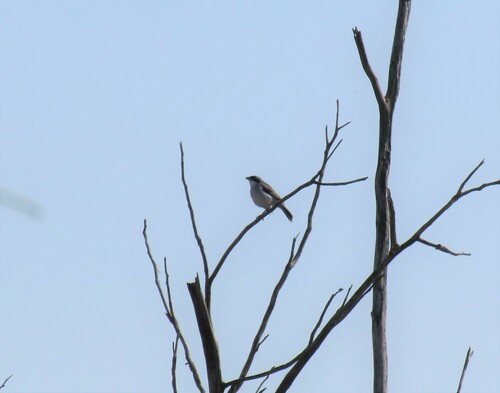 White-banded Tanager
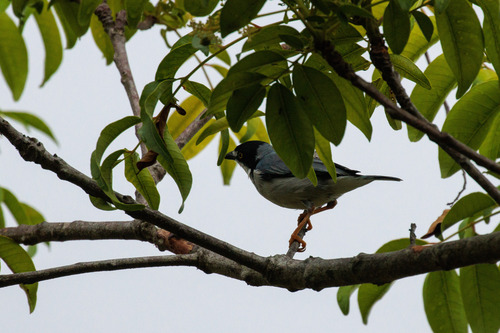 Hooded Tanager
In breve
Il segno di campo più affidabile tra White-banded Tanager e Hooded Tanager è la netta differenza nel motivo della testa: i maschi adulti di Hooded Tanager hanno un cappuccio nero corvino con lore e gola bianchi, mentre il White-banded Tanager mostra un motivo uniforme, simile a quello di un ghiandaia, senza un cappuccio. Le femmine e gli immaturi di Hooded Tanager mancano del cappuccio nero ma differiscono ancora nei toni della testa e delle parti inferiori. Il White-banded Tanager è notevolmente più grande e pesante, spesso visto in gruppi coesi, mentre il Hooded Tanager è più piccolo e più delicato. I giovani e i collaboratori di White-banded Tanager possono mostrare toni brunastri, il che può causare confusione con i giovani Hooded Tanager, ma un attento esame del motivo della testa e delle dimensioni risolverà la maggior parte degli incontri sul campo.
Consigli di identificazione
- Il motivo della testa è fondamentale: I maschi adulti di Hooded Tanagers hanno un cappuccio nero solido con lore e gola bianchi—nessun altro tangara in questo confronto mostra questo motivo. Se vedi un uccello con la testa nera e macchie bianche sul viso, è un Hooded Tanager (maschio).
- Colore della testa delle femmine e degli immaturi: Le femmine di Hooded Tanagers mancano del cappuccio nero ma hanno una testa blu-grigia che corrisponde alle parti superiori; il White-banded Tanager di qualsiasi età non mostra mai questa testa blu-grigia uniforme.
- Confusione nei giovani: I giovani White-banded Tanagers (collaboratori) mostrano toni brunastri nelle aree grigie, a volte scambiati per femmine. I giovani Hooded Tanager sono blu pallido sopra e grigio bluastro sotto, con gambe rosa-arancio—cerca questi colori delle gambe e delle parti inferiori per separare.
- Toni delle parti inferiori: Il White-banded Tanager ha un motivo grigio e bianco più uniforme, simile a quello di un ghiandaia. Le femmine e gli immaturi di Hooded Tanager hanno una sfumatura beige nelle parti inferiori bianche, specialmente sulla gola e sul petto.
- Colore del becco: I maschi di Hooded Tanager hanno un becco nero; le femmine hanno un mandibola superiore nera e una mandibola inferiore chiara. Il becco del White-banded Tanager non è descritto come distintivo, quindi usa questo segno con cautela.
- Colore delle gambe: Il Hooded Tanager (soprattutto i giovani) ha gambe gialle o giallo-brune (adulti) o rosa-arancio (giovani). Il colore delle gambe del White-banded Tanager non è descritto come diagnostico.
- Dimensioni e struttura: Il White-banded Tanager è molto più grande e pesante del Hooded Tanager. Se l'uccello appare notevolmente robusto e lungo, sospetta il White-banded.
- Dimensioni del gruppo e comportamento: Il White-banded Tanager è spesso in gruppi ristretti di 7 o più, a volte con collaboratori brunastri. Il Hooded Tanager è meno probabile che si trovi in gruppi così grandi e coesi.
- Dimorfismo sessuale: Il White-banded Tanager non mostra dimorfismo sessuale—maschi e femmine si somigliano. Il Hooded Tanager è dimorfico sessualmente, con i maschi che mostrano il cappuccio nero.
- Coerenza del piumaggio: Il piumaggio del White-banded Tanager è coerente tra i sessi e le età (eccetto per i giovani/collaboratori brunastri), mentre il Hooded Tanager varia per sesso ed età.
- Motivo delle ali superiori: Non sono descritti segni distintivi per il motivo delle ali superiori o per il volo per nessuna delle due specie in queste note—non fare affidamento sui pannelli delle ali o sui bordi posteriori.
- Sovrapposizione dell'habitat: Entrambe le specie possono verificarsi in habitat simili, quindi non fare affidamento solo sull'habitat per la separazione a meno che tu non abbia una solida conoscenza locale.
- Vocalizzazioni: Non descritte in queste note—non usare la voce come separatore qui.
- Contesto stagionale: Il White-banded Tanager si riproduce in ottobre-novembre; la stagione di riproduzione del Hooded Tanager varia a seconda della regione. La presenza di collaboratori nei gruppi di White-banded Tanager può indicare la stagione di riproduzione.
- Trappole: Fai attenzione ai giovani brunastri di White-banded Tanagers e alle femmine di Hooded Tanagers—controlla sempre il motivo della testa, il tono delle parti inferiori e le dimensioni prima di concludere.
Taglia
Il White-banded Tanager è sostanzialmente più grande e pesante (16 cm, 29–32 g) rispetto al Hooded Tanager (12–13,5 cm, 12–21 g) [wikipedia][wikidata]. Sul campo, il White-banded Tanager apparirà più robusto e lungo, con un aspetto più robusto, mentre il Hooded Tanager è visibilmente più piccolo e leggero. Questa differenza di dimensioni è spesso evidente anche da lontano, specialmente quando entrambe le specie sono viste nello stesso habitat.
Piumaggio
- Giovani e immaturi: I collaboratori di White-banded Tanager (recenti nidiacei) hanno aree brunastri che sostituiscono il grigio dell'adulto, il che può essere scambiato per un tangara più opaco. I giovani Hooded Tanager sono blu pallido sopra e grigio bluastro sotto, con gambe e piedi rosa-arancio—cerca questi colori delle gambe e il lavaggio blu-grigio complessivo per separarti dal White-banded brunastri.
- Maschi adulti: I maschi di Hooded Tanager sono immediatamente separati dal loro cappuccio nero solido, che contrasta nettamente con le lore bianche, la gola e i lati del collo, e le parti superiori blu-grigie. Il White-banded Tanager non ha alcun cappuccio o maschera nera; il suo piumaggio è simile a quello di un ghiandaia, con grigio e bianco ma senza una testa nera ben definita.
- Femmine adulte: La femmina di Hooded Tanager manca del cappuccio nero ma ha una testa e parti superiori blu-grigie uniformi, con una sfumatura beige nelle parti inferiori bianche (soprattutto gola e petto). Le femmine di White-banded Tanager sono identiche ai maschi, quindi non è presente dimorfismo sessuale—cerca il motivo coerente simile a quello di un ghiandaia.
- Becco e parti nude: I maschi di Hooded Tanager hanno un becco nero, le femmine un becco bicolore (nero sopra, chiaro sotto); entrambi i sessi hanno gambe e piedi gialli o giallo-bruni, mentre il becco e le gambe del White-banded Tanager non sono descritti come distintivi in queste note.
Comportamento
Il White-banded Tanager è tipicamente visto in coppie o piccoli gruppi ristretti (fino a 12, in media 7), spesso con collaboratori cooperativi di nidi precedenti [wikipedia]. Questa struttura sociale può essere un indizio sul campo. Il comportamento sociale del Hooded Tanager è meno descritto qui, ma non è noto per gruppi così grandi e coesi. Entrambe le specie cercano insetti, ma la tendenza del White-banded Tanager a muoversi come gruppo è un utile indizio comportamentale.
Habitat
Il Hooded Tanager è diffuso in tutta la parte continentale del Sud America, tranne che in Cile, Ecuador e Uruguay, e si trova in una varietà di habitat [wikipedia]. L'areale e l'habitat del White-banded Tanager non sono dettagliati in queste note, quindi l'habitat non è un forte separatore a meno che non venga applicata una conoscenza locale.
White-banded Tanager · Hooded Tanager · I miei uccelli difficili