

White-fronted Bee-eater vs Gruccione
Merops bullockoides contro Merops apiaster
Fai un quiz con White-fronted Bee-eater e Gruccione
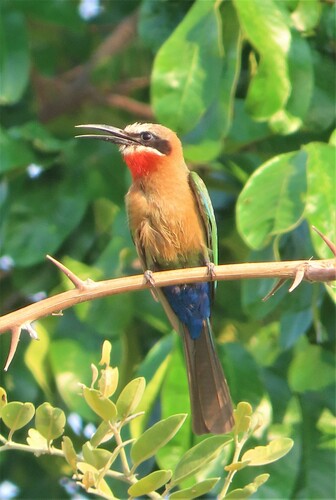 White-fronted Bee-eater
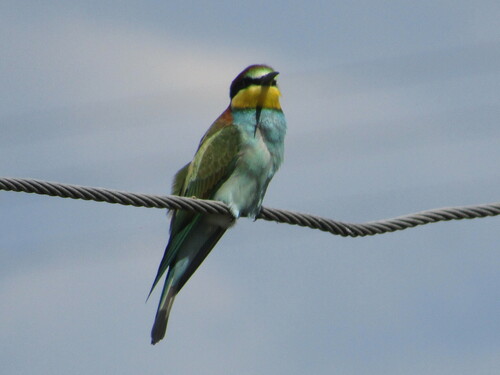 Gruccione
In breve
Il modo più affidabile per separare il White-fronted Bee-eater dal Gruccione è la combinazione di una fronte bianca audace e una coda quadrata nel primo, rispetto alla ricca parte superiore castano-gialla del Gruccione e ai lunghi streamer centrali della coda appuntiti. Entrambi sono colorati, snelli bee-eaters, ma il White-fronted mostra una gola rossa sorprendente e una maschera nera, mentre il Gruccione ha un aspetto più miscelato e multicolore senza fronte bianca e una coda più allungata. I giovani e i Gruccioni non in riproduzione perdono gli streamer della coda e diventano più opachi, ma mancano ancora della fronte bianca e della gola rossa del White-fronted. Entrambe le specie possono sovrapporsi nel sud dell'Africa, ma i loro segni sul campo rimangono distinti.
Consigli di identificazione
- Fronte Bianca (solo White-fronted): Cerca una macchia bianca audace sopra il becco—unica per il White-fronted e visibile in tutte le età e stagioni. Il Gruccione non mostra mai una fronte bianca.
- Gola Rossa (solo White-fronted): Il White-fronted mostra sempre una macchia di gola rossa brillante, nettamente distinta dalla fronte bianca e dalla maschera nera. La gola del Gruccione è gialla.
- Maschera Nera (White-fronted): Una forte linea nera attraversa l'occhio del White-fronted, in contrasto con la fronte bianca e la gola rossa. La maschera del Gruccione è meno definita e si fonde nel motivo della testa.
- Forma della Coda: Il White-fronted ha una coda quadrata senza streamer; il Gruccione ha una coda profondamente biforcuta con lunghe piume centrali negli adulti, ma i giovani e gli uccelli non in riproduzione perdono questi streamer e mostrano una coda più arrotondata—tuttavia, la coda non è mai quadrata come nel White-fronted.
- Colore delle Parti Superiori: Il Gruccione ha parti superiori castano-brune e gialle, con ali e schiena verdi. Il White-fronted è verde sopra con parti inferiori cannella, privo delle tonalità castano/gialle.
- Parti Inferiori: Il White-fronted mostra parti inferiori cannella; le parti inferiori del Gruccione sono più variabili ma mai cannella.
- Dimensioni: Il Gruccione è più grande e massiccio, specialmente con gli streamer della coda. La dimensione da sola non è sempre affidabile a meno che entrambi non siano visti insieme.
- Becco: Entrambi hanno becchi snelli, neri, leggermente ricurvi tipici dei bee-eaters; non è un separatore utile.
- Giovane/Non in riproduzione Gruccione: Manca gli streamer della coda ed è più opaco, ma ha ancora parti superiori marroni/gialle e nessuna fronte bianca o gola rossa. Fai attenzione a confonderli con il White-fronted, ma il motivo facciale è sempre diverso.
- In Perché vs. Volo: In volo, gli streamer lunghi della coda del Gruccione (se presenti) e le parti superiori multicolori si distinguono. La coda quadrata e la fronte bianca del White-fronted sono visibili quando è posato e spesso in volo.
- Contesto dell'Habitat: Nel sud dell'Africa, il White-fronted è residente e legato alle rive dei fiumi e ai boschi bassi; il Gruccione è un migratore e può essere trovato in paesi più aperti durante il passaggio.
- Comportamento Coloniale: Entrambi nidificano colonialmente, ma il White-fronted è più probabile essere visto in gruppi ristretti vicino alle rive di nidificazione tutto l'anno.
- Voce: Il White-fronted emette un profondo squeak; il richiamo del Gruccione non è descritto qui, quindi non fare affidamento sulla voce a meno che tu non sia familiare con entrambi.
- Sessi: Entrambe le specie sono sessualmente simili; non utilizzare il sesso per la separazione.
- Stagione: Il piumaggio del Gruccione si opacizza e perde gli streamer della coda al di fuori della riproduzione, ma l'assenza di fronte bianca e gola rossa rimane diagnostica.
Taglia
Il Gruccione è notevolmente più grande, con una lunghezza di 27–29 cm (inclusi i lunghi piumaggi centrali della coda), rispetto ai 23 cm del White-fronted Bee-eater. Il Gruccione è anche mediamente più pesante (44–78 g, media 52 g) [wikipedia], mentre il peso del White-fronted non è specificato ma è più piccolo per lunghezza. La differenza è più evidente quando entrambe le specie sono viste insieme, ma può essere sottile a distanza o con uccelli solitari, specialmente se il Gruccione manca dei suoi streamer della coda (giovane o non in riproduzione).
Piumaggio
- Giovane/Non in riproduzione Gruccione: Più opaco nel complesso, con schiena blu-verde e privo delle piume centrali allungate della coda, ma mostra ancora parti superiori marroni e gialle e nessuna fronte bianca o gola rossa. La colorazione giovanile è meno variata, ma il motivo facciale rimane distinto dal White-fronted.
- Adulto Gruccione: Parti superiori castano ricco e giallo, ali verdi, becco nero e lunghi streamer centrali della coda. Nessun bianco sulla fronte, e la gola è gialla (non rossa).
- White-fronted Bee-eater (tutte le età): Mostra sempre una brillante fronte bianca, maschera nera, coda quadrata e gola rossa brillante. Le parti superiori sono verdi, le parti inferiori sono cannella. Privo delle parti superiori castano/gialle e degli streamer della coda del Gruccione. La fronte bianca e la gola rossa sono presenti tutto l'anno e in tutte le piumature.
- Coda: La coda del Gruccione è profondamente biforcuta con lunghe piume centrali (eccetto nei giovani/non in riproduzione), mentre quella del White-fronted è quadrata e priva di streamer.
Comportamento
Entrambe le specie sono insetti aerei, spesso viste posate su rami o fili esposti e che si lanciano per catturare insetti in volo. I White-fronted Bee-eaters sono più propensi a essere visti in piccole colonie, specialmente vicino a rive di terra o scogliere dove nidificano. I Gruccioni sono anche coloniali, ma il loro comportamento migratorio significa che possono essere visti in una varietà più ampia di habitat aperti durante la migrazione. Entrambe le specie utilizzano voli rapidi e agili per catturare le prede, ma il complesso complessivo è simile tranne per la forma della coda in volo.
Habitat
Il White-fronted Bee-eater è residente nell'Africa sub-equatoriale, di solito vicino a scogliere o rive per nidificare e in alberi bassi per cacciare. Il Gruccione nidifica in tutta l'Europa meridionale/centrale, parti dell'Africa e dell'Asia occidentale, e trascorre l'inverno in Africa tropicale. Nel sud dell'Africa, entrambe le specie possono verificarsi, ma il Gruccione è migratorio e più probabile in paesi aperti, terreni agricoli o valli fluviali durante la migrazione. Il White-fronted è più legato alle rive di nidificazione e ai boschi fluviali.
Voce
Il White-fronted Bee-eater emette un profondo squeak. Il richiamo del Gruccione non è descritto nelle note, quindi la vocalizzazione non è un separatore affidabile con le informazioni fornite.
White-fronted Bee-eater · Gruccione · I miei uccelli difficili