

White-tailed Tropicbird vs Reunion Stonechat
Phaethon lepturus contro Saxicola tectes
Fai un quiz con White-tailed Tropicbird e Reunion Stonechat
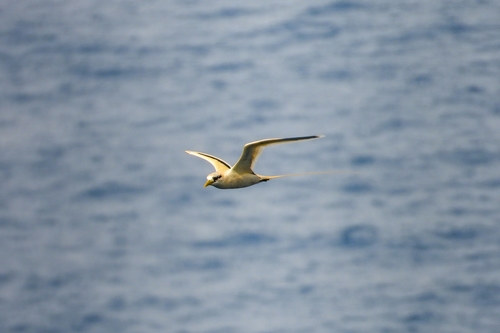 White-tailed Tropicbird
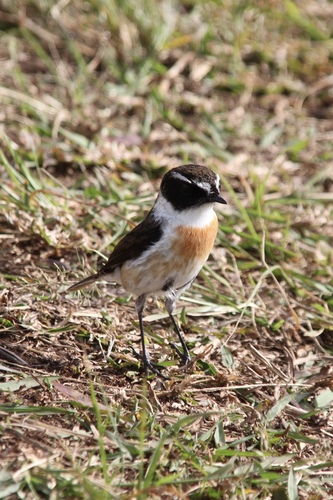 Reunion Stonechat
In breve
Il segno distintivo più affidabile è la struttura generale e la coda: il White-tailed Tropicbird è un grande uccello oceanico, snodato, con piume centrali della coda estremamente lunghe e simili a nastri (soprattutto negli adulti), mentre il Reunion Stonechat è un piccolo uccello canoro in posizione eretta con una coda corta e quadrata. In volo, il tropicbird mostra un piumaggio bianchissimo con una bold black inner wing bar e una lunga coda fluttuante, mentre il stonechat è compatto, senza streamers della coda e privo di qualsiasi black wing bar. I tropicbirds juvenili non hanno streamers della coda ma mostrano comunque la black wing bar e un becco verde-giallo, mentre i stonechats non mostrano mai queste caratteristiche a nessuna età. Se visti in posizione eretta, il tropicbird è raramente sulla terraferma, tranne che in siti di nidificazione remoti, mentre il stonechat è comune negli habitat terrestri e si posa su arbusti o pali.
Consigli di identificazione
- Tail structure: L'adulto White-tailed Tropicbird ha piume centrali della coda estremamente lunghe e simili a nastri, spesso lunghe il doppio della lunghezza del corpo; il stonechat non ha mai streamers della coda a nessuna età.
- Wing pattern in flight: Il tropicbird (tutte le età) mostra una bold black inner wing bar; il stonechat non ha mai una black wing bar—le sue ali sono uniformemente scure o decorate con bordi chiari.
- Bill color: L'adulto tropicbird ha un becco da arancione-giallo a arancione-rosso; i juvenili hanno un becco verde-giallo. Il stonechat ha sempre un becco corto e scuro tipico degli uccelli canori insetti.
- Overall size and shape: Il tropicbird è un grande uccello marino snodato con lunghe ali e coda; il stonechat è un piccolo uccello compatto in posizione eretta.
- Plumage: Il tropicbird è quasi completamente bianco con una maschera nera sugli occhi e una black wing bar; il stonechat è più scuro sopra, più chiaro sotto, a volte con arancione sul petto e un collare bianco, ma mai completamente bianco.
- Juvenile marks: I tropicbirds juvenili non hanno streamers della coda ma mostrano comunque la black wing bar e una schiena barrata; i juvenile stonechats sono striati e marroni, mai bianchi o macchiati di nero.
- Perched posture: I tropicbirds raramente si posano tranne che in colonie remote, dove si siedono a terra o su ledge di scogliere; i stonechats si posano in posizione eretta su arbusti, rocce o fili.
- Flight style: Il tropicbird plana e si libra con lunghi battiti d'ali lenti e una coda che fluttua; il stonechat vola in brevi scatti saltellanti senza streamers della coda.
- Habitat: Il tropicbird è oceanico, visto sopra acque aperte o su scogliere remote; il stonechat è terrestre, in bushland aperti, giardini o piantagioni.
- Vocalization: Il richiamo del tropicbird è una serie alta e urlata; il stonechat emette note acute e ticchettanti ('tec-tec').
- Context: Se visto nell'entroterra o in un giardino, è quasi certamente un stonechat; se visto sopra l'oceano aperto con lunghi streamers della coda, è un tropicbird.
- Sex and age: Entrambe le specie sono sessualmente simili; i maschi tropicbirds hanno code leggermente più lunghe, ma questo è sottile. I tropicbirds juvenili possono essere confusi solo se mancano gli streamers della coda, ma la black wing bar e il piumaggio bianco li separano ancora dai stonechats.
- Pitfalls: Un tropicbird juvenile senza streamers della coda potrebbe essere scambiato per un altro uccello marino bianco, ma mai per un stonechat se si controllano dimensioni e schema delle ali. I stonechats non sono mai bianchi, mai oceanici e non hanno mai una black wing bar.
- Bill shape: Il becco del tropicbird è lungo, appuntito e leggermente ricurvo; il becco del stonechat è corto, dritto e conico.
- Abundance: A Réunion, il stonechat è comune e diffuso; il tropicbird è raro tranne che in mare o su scogliere di nidificazione.
Taglia
Il White-tailed Tropicbird è drammaticamente più grande: gli adulti misurano 71–80 cm di lunghezza, inclusi gli streamers della coda, con un'apertura alare di 89–96 cm. Anche senza gli streamers della coda, il corpo è molto più grande del Reunion Stonechat, che è un tipico piccolo passeriforme (misure esatte non fornite, ma i stonechats sono solitamente lunghi circa 13–14 cm). Il tropicbird è snodato ed allungato, mentre il stonechat è compatto e tozzo in confronto. Non c'è sovrapposizione in dimensioni o impressioni.
Piumaggio
I tropicbirds juvenili e adulti White-tailed mostrano entrambi una distintiva banda nera sulla parte interna dell'ala in volo, che non è mai presente nel Reunion Stonechat. I tropicbirds juvenili mancano degli streamers della coda ma hanno una schiena finemente barrata e un becco verde-giallo, mentre gli adulti hanno schiene bianche pure, piume centrali della coda molto lunghe e un becco da arancione-giallo a arancione-rosso. La maschera nera sugli occhi e il piumaggio bianco sono presenti a tutte le età. Il Reunion Stonechat, al contrario, non mostra mai una black wing bar, streamers della coda o piumaggio completamente bianco. Il suo piumaggio è tipico dei stonechats: più scuro sopra, più chiaro sotto, spesso con un collare bianco e un po' di arancione sul petto, ma mai il pulito bianco e nero del tropicbird. In tutte le età e stagioni, le parti superiori del stonechat sono molto più scure e le parti inferiori non sono mai completamente bianche.
Comportamento
Il White-tailed Tropicbird è quasi sempre visto volare sopra l'oceano aperto, raramente si posa tranne che in colonie remote, e si nutre tuffandosi per pesci e calamari. Il suo volo è leggero e grazioso, con lunghe curve fluttuanti e evidenti streamers della coda che fluttuano dietro. Il Reunion Stonechat è terrestre, si posa in posizione eretta su arbusti, rocce o pali, e si nutre lanciandosi per catturare insetti. Il suo volo è breve, saltellante e diretto, privo di qualsiasi streamers della coda. Le due specie non si sovrappongono mai nel comportamento tipico o nell'impressione.
Habitat
Il White-tailed Tropicbird è strettamente oceanico, trovato sopra mari tropicali e viene sulla terraferma solo per nidificare su isole remote o scogliere. Non si trova mai in foreste, cespugli, giardini o piantagioni. Il Reunion Stonechat è endemico all'isola di Réunion, dove è comune in bushland aperti, radure, giardini e piantagioni, fino a 2600 metri di altitudine. Non si trova mai in mare. Se vedi l'uccello nell'entroterra, specialmente posato in un cespuglio o giardino, è quasi certamente un stonechat.
Voce
Il White-tailed Tropicbird emette un 'keee-keee-krrrt-krrt-krrt' alto e urlato, solitamente sentito nelle colonie di nidificazione o quando vola sopra. Il nome del Reunion Stonechat è onomatopeico ('tec-tec'), e il suo richiamo è una nota acuta, cliccante o ticchettante, tipica dei stonechats. Le due vocalizzazioni sono completamente diverse in tono, ritmo e contesto.
White-tailed Tropicbird · Reunion Stonechat · I miei uccelli difficili