
Luì grosso vs Luì piccolo
Phylloscopus trochilus contro Phylloscopus collybita
Fai un quiz con Luì grosso e Luì piccolo
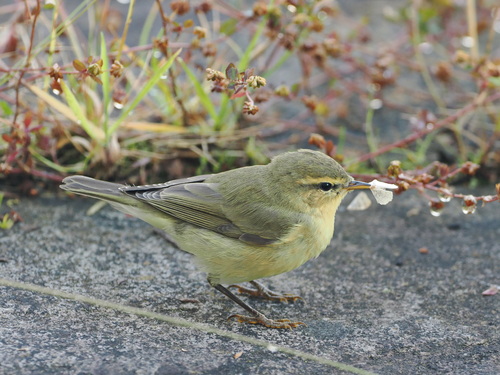 Luì grosso
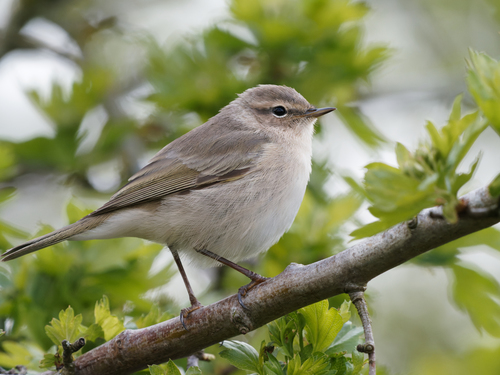 Luì piccolo
In breve
Il segno di campo più affidabile tra Luì grosso e Luì piccolo è il colore delle gambe: il Luì grosso mostra gambe di un pallido giallo-rosato, mentre quelle del Luì piccolo sono sempre marroni scure o nere. Se riesci a dare un'occhiata attenta alle ali, il Luì grosso ha una proiezione primaria più lunga (le punte delle piume di volo più lunghe si estendono oltre le terziali), conferendogli un aspetto più snello ed elegante; le ali del Luì piccolo sembrano più corte e rotonde. Il Luì grosso tende anche a sembrare più luminoso e giallastro sotto, specialmente nei giovani, mentre il Luì piccolo è generalmente più opaco e marrone. Sul campo, la struttura e le sottili differenze nel piumaggio sono fondamentali, poiché entrambe le specie sono estremamente simili e si sovrappongono nell'habitat. La voce è distintiva se ascoltata: il canto del Luì grosso è un dolce fischio discendente, quello del Luì piccolo è un ripetitivo “chiff-chaff.”
Consigli di identificazione
- Leg color: Il Luì grosso ha sempre gambe di un pallido giallo-rosato; quelle del Luì piccolo sono marroni scure o nere. Questo è il segno di campo più affidabile in tutte le età e stagioni, ma fai attenzione al fango o all'ombra che possono far sembrare le gambe chiare scure.
- Primary projection: Quando è posato, il Luì grosso mostra una lunga estensione delle primarie oltre le terziali (lunga proiezione primaria), conferendo un aspetto più snello e allungato. La proiezione primaria del Luì piccolo è corta, rendendo l'ala più arrotondata e l'uccello più tozzo. Questo è visibile in tutti i piumaggi ma più facile da notare negli uccelli freschi.
- Bill shape and color: Il Luì grosso ha un becco più lungo e più chiaro; il becco del Luì piccolo è più corto e più scuro. Utile se visto bene, ma sottile.
- Overall shape (jizz): Il Luì grosso appare più elegante e allungato, con un corpo e una coda più lunghi; il Luì piccolo è più compatto e arrotondato.
- Underpart color: Il Luì grosso è bianco sporco a giallastro sotto, spesso molto giallo nei giovani. Il Luì piccolo è bianco sporco, a volte con una leggera sfumatura gialla sui fianchi in primavera, ma mai così giallo come il Luì grosso.
- Upperpart tone: Il Luì grosso è più verde sopra, specialmente dopo la muta; il Luì piccolo è più marrone, specialmente nei giovani e negli adulti usurati.
- Supercilium: L'arcata sopracciliare del Luì grosso è più lunga e più distintiva; quella del Luì piccolo è più corta e meno contrastante, ma questo è variabile e non sempre affidabile.
- Tail movement: Il Luì piccolo spesso abbassa e muove la coda da un lato all'altro; il Luì grosso non mostra questo comportamento.
- Wingbars: Entrambe le specie mancano di barre alari, quindi la presenza di qualsiasi barra è un segno che hai una specie diversa.
- Juvenile plumage: I giovani del Luì grosso sono molto più gialli sotto rispetto ai giovani del Luì piccolo, che sono più marroni sopra e giallo-bianco sotto. Dopo la muta, entrambi diventano più verdi sopra, ma il Luì grosso rimane più giallo sotto.
- Song: Il canto del Luì grosso è un dolce fischio discendente; quello del Luì piccolo è un ripetitivo “chiff-chaff.” Usa questo segno solo se sei sicuro del canto, poiché possono verificarsi cantori misti.
- Call: Il Luì grosso emette un 'hoo-eet' disillabico; il Luì piccolo emette un 'hweet' più acuto e monosillabico. Questo può essere sottile e richiede pratica.
- Habitat: Entrambe le specie si sovrappongono ampiamente nell'habitat. Il Luì grosso è più probabile trovarlo in betulle, ontani e salici con copertura del suolo, ma questo non è diagnostico.
- Season: Il Luì grosso è un migratore a lungo raggio, assente da gran parte dell'Europa in inverno; il Luì piccolo sverna nell'Europa meridionale e occidentale e può essere trovato tutto l'anno in alcune aree. All'inizio della primavera o in autunno inoltrato, un warbler silenzioso è più probabile che sia un Luì piccolo.
- Pitfalls: Luce scarsa, fango sulle gambe o piumaggio usurato possono oscurare i segni chiave. Usa una combinazione di caratteristiche: non fare mai affidamento su un singolo segno a meno che non sia il colore delle gambe visto chiaramente in buona luce.
Taglia
Il Luì grosso è leggermente più grande e lungo nel complesso (11–12,5 cm) rispetto al Luì piccolo (10–12 cm), ma la differenza è sottile e raramente diagnostica sul campo. Entrambi sono piccoli, snelli warbler delle foglie, ma il Luì grosso appare spesso più allungato, in parte a causa delle sue ali più lunghe e della proiezione primaria. Il peso si sovrappone considerevolmente: Luì grosso (7–15 g), Luì piccolo (maschio 7–8 g, femmina 6–7 g), quindi la massa non è un utile segno di campo.
Piumaggio
- Juvenile and first-year birds: I giovani del Luì grosso sono notevolmente più gialli sotto rispetto agli adulti e rispetto ai giovani del Luì piccolo, che sono più marroni sopra e hanno parti inferiori giallo-bianco. Dopo la loro prima muta post-giovanile, entrambe le specie diventano più luminose e verdi sopra, ma il Luì grosso mantiene una tonalità più giallastra sotto, mentre il Luì piccolo è bianco sporco a buff sui fianchi e sull'addome.
- Wings: Entrambe le specie mancano di barre alari, ma il Luì grosso ha una proiezione primaria più lunga e appuntita (visibile come una lunga estensione delle primarie oltre le terziali quando è posato), mentre le ali del Luì piccolo sono più corte e rotonde. Questo è più evidente negli uccelli con piumaggio fresco in primavera e estate, ma può essere visto tutto l'anno con pratica.
- Legs and bill: Il Luì grosso ha gambe di un pallido giallo-rosato e un becco più lungo e più chiaro; le gambe del Luì piccolo sono sempre marroni scure o nere, e il becco è più corto e più scuro. Questi segni sono affidabili in tutte le età e stagioni.
- Supercilium: Entrambi mostrano un supercilium pallido, ma quello del Luì grosso è spesso più luminoso e distintivo, specialmente in piumaggio fresco. Il supercilium del Luì piccolo è più corto e meno contrastante.
- Underparts: Il Luì grosso è bianco sporco a giallastro sotto, con i giovani specialmente gialli; il Luì piccolo è bianco sporco, a volte con una sfumatura giallastra sui fianchi in primavera, ma generalmente più opaco e meno giallo nel complesso.
Comportamento
Entrambe le specie sono foraggiatori attivi e irrequieti in alberi e arbusti bassi, spesso sbattendo ali e code. Il Luì piccolo è famoso per il suo movimento della coda: un abbassamento seguito da un movimento laterale, ripetuto frequentemente. Il Luì grosso non mostra questo comportamento di movimento della coda. In volo, le ali più lunghe del Luì grosso possono farlo sembrare più grazioso e meno compatto rispetto al Luì piccolo, che appare più tozzo e arrotondato. Entrambe le specie sono comunemente viste muoversi tra il fogliame in boschi aperti e cespugli.
Habitat
L'overlap dell'habitat è esteso: entrambe si riproducono in boschi aperti in tutta l'Europa settentrionale e temperata e nel Paleartico. Il Luì grosso è particolarmente associato a habitat di betulle, ontani e salici con copertura del suolo, mentre il Luì piccolo è meno specifico ma favorisce anche boschi aperti. Durante la migrazione e l'inverno, entrambe possono essere trovate in una vasta gamma di habitat boschivi e cespugliosi. L'habitat da solo non è un separatore affidabile dove entrambe si trovano.
Voce
Il canto è il separatore più diretto: il Luì grosso canta un dolce, discendente, fischio musicale, mentre il canto del Luì piccolo è un ripetitivo e ritmico “chiff-chaff.” Anche il richiamo di contatto è diverso: il Luì grosso emette un 'hoo-eet' disillabico, mentre il richiamo del Luì piccolo è un 'hweet' più acuto e monosillabico. Possono verificarsi cantori misti e ibridi, ma la maggior parte degli individui è facilmente separabile per voce se ascoltata bene.