

Piro piro boschereccio vs Pantana
Tringa glareola contro Tringa nebularia
Fai un quiz con Piro piro boschereccio e Pantana
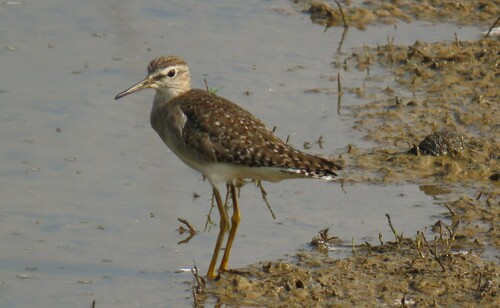 Piro piro boschereccio
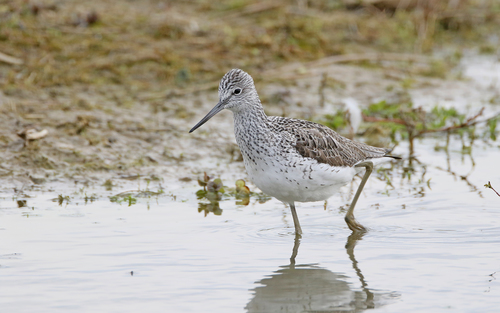 Pantana
In breve
Il modo più affidabile per separare il Piro piro boschereccio dalla Pantana è la dimensione e la struttura: il Piro piro boschereccio è molto più piccolo e più delicato, con un becco più corto e fine e zampe giallastre più lunghe, mentre la Pantana è più robusta, con un becco lungo e leggermente ricurvo e zampe verdastre. In volo, cerca il motivo del coda e della schiena: il Piro piro boschereccio mostra una piccola macchia bianca sulla coda meno contrastante, mentre la Pantana presenta un evidente cuneo bianco lungo la schiena. Entrambe le specie possono apparire simili in luce fioca o a distanza, ma prestare attenzione alla forma del becco, al colore delle zampe e al motivo di volo di solito aiuterà a identificare, specialmente per gli immaturi. La sovrapposizione degli habitat è comune, quindi non fare affidamento solo sulla posizione.
Consigli di identificazione
- Dimensione: la Pantana è molto più grande e pesante del Piro piro boschereccio. Usa questo quando entrambe le specie sono presenti o con specie familiari per scala.
- Forma del becco: il Piro piro boschereccio ha un becco corto, fine e dritto; il becco della Pantana è lungo, con una base spessa e leggermente ricurvo, con una base grigia. Questo è affidabile a distanza moderata.
- Colore delle zampe: le zampe del Piro piro boschereccio sono giallastre; quelle della Pantana sono verdastre. Fai attenzione alle zampe fangose o alla scarsa illuminazione.
- Motivo della coda/schiena in volo: in tutte le età, il Piro piro boschereccio mostra una piccola macchia bianca sulla coda meno contrastante; la Pantana ha un audace cuneo bianco lungo la schiena. Questo è il miglior segno in volo.
- Macchie sul petto e sul collo (immaturi): il Piro piro boschereccio giovanile/immaturo mostra macchie brune diffuse sul petto e sul collo; la Pantana è più semplice o ha un motivo del petto più grossolano e scuro in abito nuziale.
- Motivo della parte superiore: il Piro piro boschereccio è marrone chiaro sopra con macchie più scure e alcune macchie; la Pantana è marrone (nuziale) o grigio-marrone (non nuziale), con meno macchie e un colore più uniforme.
- Lunghezza e struttura delle zampe: il Piro piro boschereccio appare con zampe lunghe per la sua dimensione, delicato e aggraziato; la Pantana è robusta, con zampe proporzionalmente più corte per la sua massa.
- Jizz in volo: il Piro piro boschereccio è leggero e svolazzante; la Pantana è forte e diretta.
- Comportamento di foraggiamento: il Piro piro boschereccio si nutre delicatamente lungo il bordo dell'acqua; la Pantana si immerge più a fondo e si muove in modo più costante.
- Colore della base del becco: il becco della Pantana ha una base grigia, particolarmente evidente a distanza ravvicinata; quello del Piro piro boschereccio è tutto scuro.
- Voce: se senti un flauto teu-teu-teu, è la Pantana. Il richiamo del Piro piro boschereccio non è descritto qui.
- Habitat: entrambe sono specialiste delle acque dolci, ma la Pantana può trovarsi in una gamma più ampia di zone umide, comprese le aree salmastre. Non fare affidamento solo su questo.
- Trappola—distanza e luce: a lunga distanza o in scarsa illuminazione, la dimensione e la forma del becco possono essere difficili da giudicare; fai affidamento sul motivo della coda/schiena in volo se possibile.
- Trappola—zampe fangose: il colore delle zampe può essere oscurato dal fango; controlla sempre più caratteristiche.
- Nessun forte dimorfismo sessuale: entrambi i sessi sembrano simili in entrambe le specie; età e stagione sono più importanti per l'identificazione.
Taglia
Il Piro piro boschereccio è significativamente più piccolo, con una massa corporea media di 67,5 g rispetto ai 173 g della Pantana. Questa differenza di dimensione è evidente in stormi misti o affiancati: il Piro piro boschereccio appare più delicato, con una struttura più fine e zampe proporzionalmente più lunghe per la sua dimensione. La Pantana è robusta, più alta e con un corpo più pesante, con un becco e un collo visibilmente più lunghi.
Piumaggio
Per tutte le età, il segno di volo più rivelatore è la coda e la schiena: il Piro piro boschereccio (adulto e immaturo) mostra una piccola macchia bianca sulla coda meno contrastante, mentre la Pantana di qualsiasi età ha un audace cuneo bianco che corre lungo la schiena, visibile in volo. I Piro piro boscherecci giovanili e immaturi hanno macchie brune diffuse sul petto e sul collo e una parte superiore di colore marrone chiaro con macchie più scure, priva del motivo scuro e netto della Pantana. La Pantana in abito nuziale è marrone sopra con un petto marcato in modo grossolano e molto nero sulle spalle e sulla schiena; in inverno, è più semplice grigio-marrone sopra. Entrambe le specie hanno parti inferiori chiare, ma le parti superiori della Pantana sono sempre più semplici e meno macchiate rispetto a quelle del Piro piro boschereccio. Anche il colore delle zampe è utile: il Piro piro boschereccio ha zampe giallastre, mentre quelle della Pantana sono verdastre. Il colore e la forma del becco differiscono: il becco del Piro piro boschereccio è corto e fine, quello della Pantana è lungo, con una base spessa e leggermente ricurva con una base grigia.
Comportamento
Entrambe le specie si nutrono sondando in acque poco profonde o nel fango per invertebrati, ma la Pantana può anche catturare piccoli pesci e anfibi. Il Piro piro boschereccio appare spesso più attivo e delicato, nutrendosi con attenzione lungo il bordo dell'acqua, mentre la Pantana si muove con un passo più costante e deciso, spesso immergendosi più a fondo. In volo, il Piro piro boschereccio è più leggero e svolazzante, mentre la Pantana è forte e diretta.
Habitat
Entrambe le specie si trovano in ambienti di acqua dolce e zone umide, spesso insieme. Il Piro piro boschereccio preferisce le rive di laghi poco profondi, le paludi e le sponde dei fiumi, ed è meno probabile trovarlo in habitat marini o costieri rispetto ad altri piro piro. La Pantana è anche una specialista delle acque dolci ma può essere trovata in una gamma più ampia di habitat umidi, comprese le paludi salmastre e gli estuari. L'habitat da solo non è diagnostico dove i loro areali si sovrappongono.
Voce
La Pantana ha un richiamo distintivo: una rapida serie di tre note brevi e flautate (teu-teu-teu), che è forte e si sente lontano. Il richiamo del Piro piro boschereccio non è descritto nelle note, quindi la vocalizzazione è solo diagnostica per la Pantana quando viene udita.