

Luì verde vs Luì piccolo
Phylloscopus sibilatrix contro Phylloscopus collybita
Fai un quiz con Luì verde e Luì piccolo
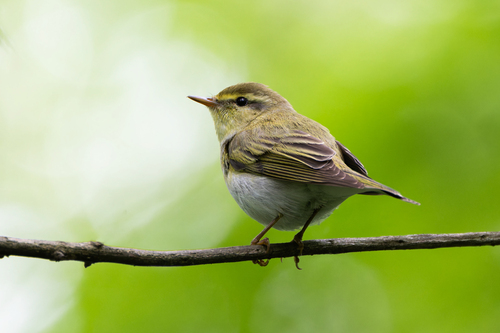 Luì verde
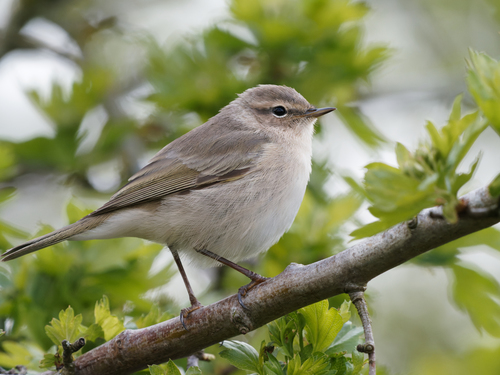 Luì piccolo
In breve
Il modo più affidabile per separare il Luì verde dal Luì piccolo è cercare la gola e il petto giallo brillante del Luì verde, il supercilium giallo audace e la pancia bianca nitida, che contrastano con i toni più opachi e uniformi del Luì piccolo, verde-marrone e bianco sporco. Il Luì verde mostra anche una proiezione primaria più lunga e una coda più ampia e corta, mentre il Luì piccolo ha un aspetto più tozzo con una proiezione primaria più corta e ali arrotondate. Se visto in volo o a riposo, nota l'aspetto più snello e luminoso del Luì verde e il comportamento caratteristico di abbassamento della coda del Luì piccolo. La voce è anche un forte separatore: il Luì verde emette un trill metallico e note di piping discendenti, mentre il Luì piccolo ripete la sua semplice canzone 'chiff-chaff'.
Consigli di identificazione
- Supercilium e gola gialla (Luì verde): Cerca un forte supercilium giallo e una gola/petto superiore giallo brillante nel Luì verde di tutte le età; il supercilium del Luì piccolo è corto, debole e biancastro, e la sua gola non è mai gialla brillante.
- Contrasto della pancia: Il Luì verde mostra una pancia bianca nitida nettamente separata dal petto giallo; il Luì piccolo è bianco sporco sotto, con giallastro solo sui fianchi e senza divisione netta.
- Proiezione primaria: Il Luì verde ha una proiezione primaria visibilmente più lunga (le punte delle ali si estendono ben oltre le terziali quando è in posizione), dando un aspetto più snello. La proiezione primaria del Luì piccolo è corta, rendendo l'ala più arrotondata e l'uccello più compatto.
- Forma della coda: La coda del Luì verde è più corta e più ampia; quella del Luì piccolo è più arrotondata e proporzionalmente più lunga rispetto al suo corpo.
- Bordi delle terziali: I bordi terziali pallidi sono più prominenti nel Luì verde, specialmente nel piumaggio fresco. Le terziali del Luì piccolo sono meno contrastanti.
- Tono delle parti superiori: Il Luì verde è di un verde più brillante sopra, specialmente negli adulti e negli uccelli post-muta; il Luì piccolo è più opaco, marrone e meno vivido a tutte le età.
- Colore delle gambe: Entrambi hanno gambe scure, ma quelle del Luì piccolo sono particolarmente scure e sottili; questo non è un forte separatore tra i due, ma può aiutare con altri Phylloscopus.
- Movimento della coda: Il Luì piccolo abbassa e agita frequentemente la sua coda (tailwagger), un comportamento raramente visto nel Luì verde.
- Struttura generale: Il Luì verde appare più allungato e snello, il Luì piccolo più tozzo e arrotondato.
- Piumaggio giovanile: I giovani Luì piccoli sono più marroni sopra e giallo-bianco sotto, ma non mostrano mai il vivace contrasto giallo e bianco del Luì verde.
- Canzone: Il trill metallico e le note di piping discendenti del Luì verde sono molto diversi dalla canzone ripetitiva 'chiff-chaff' del Luì piccolo. Se senti la canzone, l'identificazione è semplice.
- Richiamo: Il richiamo del Luì verde è una nota di piping morbida e singola (piü), mentre il Luì piccolo emette un 'hweet' acuto.
- Habitat: Nei boschi maturi e a chioma chiusa, specialmente nell'Europa centrale/settentrionale, favorisci il Luì verde; in boschi aperti, cespugli o habitat più vari, il Luì piccolo è più probabile.
- Stagione: In Europa durante la tarda estate e l'autunno, il Luì piccolo è molto più probabile, poiché il Luì verde migra presto.
- Trappole: Entrambi possono sembrare simili in scarsa luce o piumaggio usurato; combina sempre più caratteristiche (supercilium, colore della gola, proiezione dell'ala, movimento della coda e voce) per un'identificazione sicura.
Taglia
Il Luì verde è leggermente più grande e più pesante (massa corporea ~10,0 g) del Luì piccolo (maschio 7–8 g, femmina 6–7 g), ma questa differenza è sottile sul campo. Entrambi sono piccoli warbler delle foglie, ma le ali più lunghe e la coda più ampia del Luì verde possono conferire un aspetto più snello e allungato rispetto alla forma più tozza e arrotondata del Luì piccolo.
Piumaggio
I Luì verdi giovanili e adulti sono verdi sopra con un forte supercilium giallo, gola gialla brillante e petto superiore, e una pancia bianca a forte contrasto. I bordi pallidi delle terziali sono spesso evidenti. Al contrario, il Luì piccolo (adulti e giovanili) è più opaco: verde-marrone lavato sopra, bianco sporco sotto con giallastro solo sui fianchi, e un supercilium biancastro corto e debole. I giovani Luì piccoli sono più marroni sopra e hanno parti inferiori giallo-bianche, ma mancano del vivace contrasto giallo e bianco del Luì verde. Dopo la muta, i Luì piccoli diventano un po' più luminosi e verdi, ma non mostrano mai i toni giallo limone o la pancia bianca nitida del Luì verde. La proiezione primaria più lunga del Luì verde è visibile quando è in posizione, mentre quella del Luì piccolo è corta. I bordi terziali sono più pronunciati nel Luì verde. Entrambe le specie hanno gambe scure, ma quelle del Luì piccolo sono particolarmente scure e sottili.
Comportamento
Il Luì verde tende a muoversi in modo più deliberato ed è meno probabile che flicki la sua coda. Il Luì piccolo è famoso per il suo abbassamento della coda e il movimento laterale, un comportamento raramente visto nel Luì verde. In volo, il Luì verde appare più snello grazie alle sue ali e coda più lunghe, mentre il Luì piccolo appare più compatto e arrotondato.
Habitat
Entrambe le specie nidificano nei boschi settentrionali e temperati europei, ma il Luì verde è più strettamente associato a boschi maturi, spesso decidui, specialmente con una chioma ben sviluppata. Il Luì piccolo è più flessibile, utilizzando una gamma di boschi aperti e cespugli. Fuori dalla stagione di nidificazione, il Luì piccolo sverna nell'Europa meridionale, in Nord Africa e in Asia meridionale, mentre il Luì verde migra in Africa tropicale.
Voce
Il Luì verde ha due tipi di canzone distintivi: un trill metallico fluido ad alta frequenza che accelera, e una serie di 3–5 note di piping discendenti (piüü-piüü-piüü). Il suo richiamo di contatto è una nota di piping morbida e singola (piü). La canzone del Luì piccolo è una semplice frase ripetitiva 'chiff-chaff', e il suo richiamo è un 'hweet' acuto. La differenza è solitamente ovvia, anche se può verificarsi confusione con cantori misti o in aree di sovrapposizione con altri warbler Phylloscopus.