

Yellow-olive Flatbill vs Yellow-winged Flatbill
Tolmomyias sulphurescens contro Tolmomyias flavotectus
Fai un quiz con Yellow-olive Flatbill e Yellow-winged Flatbill
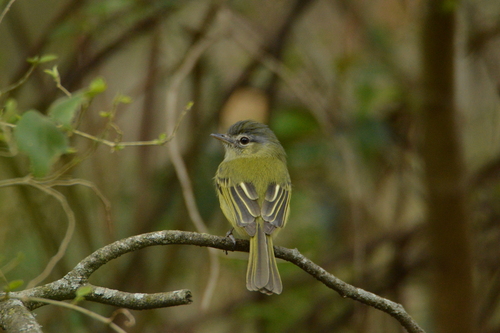 Yellow-olive Flatbill
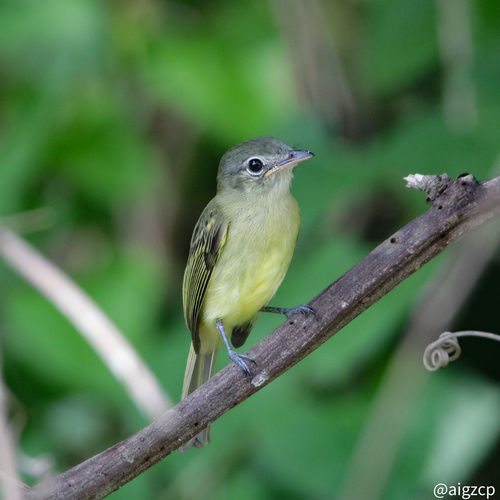 Yellow-winged Flatbill
In breve
Il segno distintivo più affidabile tra Yellow-olive Flatbill e Yellow-winged Flatbill è il modello delle ali: l'adulto Yellow-winged Flatbill mostra bordi gialli brillanti e ampi sulle piume delle ali, creando un aspetto distintamente giallo-ali, mentre il Yellow-olive Flatbill ha bordi giallo-oliva più stretti e meno contrasto. Anche il colore della testa è fondamentale: il Yellow-winged Flatbill ha una testa grigia scura con un anello oculare bianco netto, mentre il Yellow-olive Flatbill ha una corona oliva con un anello oculare più sottile e meno evidente. I giovani di entrambe le specie sono più opachi, ma i giovani Yellow-winged Flatbill mancano della forte testa grigia e hanno meno giallo distintivo sulle ali. Entrambe le specie sono simili in dimensioni e struttura, ma i loro areali si sovrappongono solo in alcune parti dell'America Centrale e del nord-ovest del Sud America. Usa prima il modello delle ali e della testa, specialmente negli uccelli in posa, e fai attenzione ai giovani, che possono essere confusi.
Consigli di identificazione
- Modello delle ali (adulti): Cerca bordi gialli brillanti e ampi sulle piume delle ali del Yellow-winged Flatbill, creando un forte effetto giallo-ali. Il Yellow-olive Flatbill ha bordi giallo-oliva più stretti e opachi, formando due barre sulle ali ma mancando del bagliore giallo complessivo.
- Colore della testa: Il Yellow-winged Flatbill ha una testa grigia scura con un anello oculare bianco netto, mentre il Yellow-olive Flatbill ha una corona e nuca oliva con un anello oculare bianco più sottile e meno distintivo e a volte un sottile supercilio bianco.
- Confusione nei giovani: Il giovane Yellow-winged Flatbill manca della forte testa grigia e ha meno giallo sulle ali, rendendolo più simile ai giovani Yellow-olive Flatbill, che hanno parti inferiori più chiare, un anello oculare spezzato e un'iride scura. Nei giovani, il modello delle ali e della testa è meno affidabile, quindi fai attenzione.
- Parti inferiori: Entrambe le specie hanno pance gialle e copritrici della coda, ma la gola e il petto del Yellow-winged Flatbill sono grigio chiaro con un lavaggio giallastro, mentre quelli del Yellow-olive Flatbill sono più verde-oliva o grigiastro.
- Segni facciali: Il Yellow-olive Flatbill può mostrare una sottile banda bianca sopra le lore e un sottile anello oculare bianco; l'anello oculare bianco del Yellow-winged Flatbill è più prominente e completo.
- Coda: Entrambe le specie hanno code verde oliva a marrone con bordi chiari, non un forte separatore.
- Becco: Entrambi hanno un becco ampio e piatto con una mascella nera e una mandibola chiara; il colore e la forma del becco non sono affidabili per la separazione.
- Colore dell'iride: L'iride del Yellow-olive Flatbill è variabile (marrone chiaro a grigio chiaro, a volte scura in alcune sottospecie/giovani); quella del Yellow-winged Flatbill è oliva a marrone scuro. Questo è sottile e non sempre visibile sul campo.
- Dimensioni e struttura: Entrambi sono simili in dimensioni e proporzioni; non fare affidamento su dimensioni o jizz per la separazione.
- Areale: Se ti trovi al di fuori della Colombia, Costa Rica, Panama o nord-ovest dell'Ecuador, hai quasi certamente il Yellow-olive Flatbill. Nelle zone di sovrapposizione, usa i segni del piumaggio.
- Habitat: Nelle aree di sovrapposizione, il Yellow-winged Flatbill è più probabile che si trovi negli interni delle foreste umide e nelle foreste secondarie mature; il Yellow-olive Flatbill è più generalista.
- Viste in volo: In volo, cerca il forte giallo nelle ali del Yellow-winged Flatbill (adulti); le ali del Yellow-olive Flatbill sono meno appariscenti.
- Confusione delle sottospecie: Il Yellow-olive Flatbill è altamente variabile nel suo areale, ma nessuna delle sue forme mostra i bordi ampi e gialli brillanti delle ali del Yellow-winged Flatbill.
- Voce: Non descritta nelle note fornite; non usarla come separatore qui.
- Stagione/sesso: Entrambe le specie sono sessualmente monomorfiche e non mostrano forti cambiamenti stagionali nel piumaggio.
Taglia
Entrambe le specie sono molto simili in dimensioni: il Yellow-olive Flatbill è lungo 12,5–14 cm e pesa 14,5–15,2 g, mentre il Yellow-winged Flatbill è lungo 13–13,5 cm e pesa circa 15 g. Sul campo, le dimensioni non sono un separatore utile, poiché entrambe sono piccoli moschettieri dal becco piatto con proporzioni simili. La larghezza e la lunghezza del becco sono comparabili, e entrambe hanno un becco ampio e piatto tipico di Tolmomyias, quindi le differenze strutturali sono sottili e non affidabili per la separazione.
Piumaggio
-
Giovani: Entrambe le specie hanno piumaggio più opaco e meno contrastante rispetto agli adulti. Il giovane Yellow-olive Flatbill mostra parti inferiori più chiare, un anello oculare spezzato e un'iride scura. Il giovane Yellow-winged Flatbill manca della forte testa grigia e ha bordi gialli meno distintivi sulle ali, rendendo l'effetto giallo 'ali' più debole rispetto agli adulti.
-
Adulti (tutte le stagioni):
- Yellow-winged Flatbill: Testa grigia scura con un anello oculare bianco netto, dorso e coda verde oliva, e ampi bordi gialli brillanti sulle piume delle ali (soprattutto copritrici e remiganti), rendendo le ali visibilmente giallo-marginate anche da lontano. La gola e il petto sono grigio chiaro con un lavaggio giallastro, la pancia e le copritrici della coda sono gialle.
-
Yellow-olive Flatbill: Corona e nuca oliva, sottile banda bianca sopra le lore, sottile anello oculare bianco e parti superiori verde oliva. Le ali sono scure o nerastre con bordi giallo-oliva sulle copritrici (formando due barre sulle ali) e bordi giallastri sulle remiganti, ma questi sono più stretti e meno vivaci rispetto al Yellow-winged Flatbill. La gola è grigio verde chiaro, il petto e i fianchi sono verde oliva grigiastro, e la pancia/copripiume della coda sono gialli brillanti. La coda è marrone scuro a scura con bordi color crema.
-
Variazione delle sottospecie: Il Yellow-olive Flatbill ha molte sottospecie con differenze sottili nel colore della corona, nei segni facciali e nella tonalità della pancia, ma nessuna mostra i bordi gialli ampi delle ali del Yellow-winged Flatbill.
Comportamento
Entrambe le specie si nutrono nella parte centrale e nella chioma degli alberi, spesso unendosi a stormi misti di specie. Di solito vengono visti singolarmente o in coppie, raramente in gruppi. Il comportamento di foraggiamento è simile: si lanciano per gli insetti da posatoi e raccolgono da fogliame. Nessuna delle due specie è particolarmente appariscente nei movimenti o nel volo, e entrambe possono essere trascurate nel fogliame denso. Il comportamento di nidificazione non è un segno distintivo utile, poiché entrambe costruiscono nidi a sacco sospesi, sebbene il nido del Yellow-winged Flatbill sia descritto come a forma di pera con un ingresso a tunnel inclinato.
Habitat
Il Yellow-olive Flatbill ha un areale molto più ampio, trovato dal Messico attraverso l'America Centrale, Trinidad e quasi tutto il Sud America tranne il Cile. Occupa una vasta gamma di tipi di foresta, comprese le aree di margine e la crescita secondaria. Il Yellow-winged Flatbill è ristretto alle foreste umide della pendenza caraibica dalla Costa Rica attraverso Panama e la Colombia occidentale fino all'Ecuador settentrionale, ed è assente dall'America meridionale orientale e dalla maggior parte dell'America Centrale. Dove gli areali si sovrappongono (Costa Rica, Panama, Colombia occidentale, Ecuador nord-occidentale), le preferenze di habitat possono convergere, ma il Yellow-winged Flatbill è più legato agli interni delle foreste umide e alla crescita secondaria matura, mentre il Yellow-olive Flatbill può essere trovato in una gamma più ampia di habitat boschivi.
Yellow-olive Flatbill · Yellow-winged Flatbill · I miei uccelli difficili