
Motmot

ミカヅキシマアジ 対 アカオタテガモ

Spatula discors 対 Oxyura jamaicensis

ミカヅキシマアジとアカオタテガモのクイズ
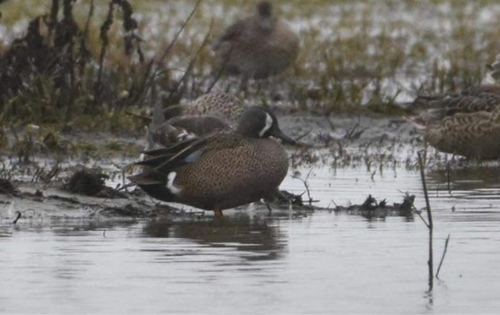
ミカヅキシマアジ (Spatula discors) ミカヅキシマアジ
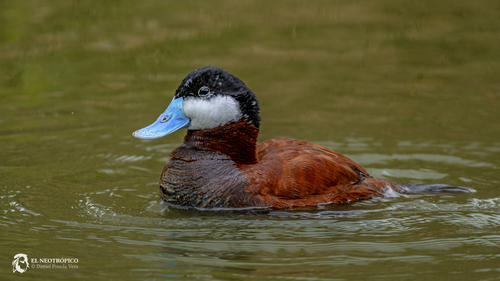
アカオタテガモ (Oxyura jamaicensis) アカオタテガモ

メディア

読み込み中…

要点

ブルーウィングテールとアカオタテガモを年齢や季節を問わず区別する最も信頼できるフィールドマークは、飛行中または静止中に見えるテールの空色の翼覆いと緑のスペキュラムに対して、アカオタテガモの上翼は完全に暗いことです。さらに、アカオタテガモの硬く、しばしば傾いた尾と厚く、すくい形のくちばしは独特の構造的手がかりであり、ブルーウィングテールはより細身で硬い尾がありません。雌や未成熟のブルーウィングテールは、遠くから見ると雌/未成熟のアカオタテガモと混同されることがありますが、顔の模様と翼の色合いは強い区別要因です。繁殖羽のアカオタテガモのオスは青いくちばしと白い頬で間違いなく識別できますが、冬や未成熟の羽毛では、構造と翼の模様に注意を払うことが重要です。

識別のコツ

  1. Upperwing pattern in flight (all ages/seasons): ブルーウィングテールは常に空色の翼覆いと緑のスペキュラムを示し、アカオタテガモの上翼は完全に暗く、色の斑点はありません。
  2. Tail shape and carriage: アカオタテガモは長くて硬い尾を持ち、しばしば上向きに傾けられ、水上や止まっている時に見えます; ブルーウィングテールの尾は短く、決して硬くも傾いてもいません。
  3. Bill shape: アカオタテガモのくちばしは厚く、短く、すくい形で、特に横から見ると明らかです; ブルーウィングテールのくちばしは細く、ダブリングダックに典型的です。
  4. Body shape and posture: アカオタテガモはコンパクトで太い首を持ち、水中で低く座ります; ブルーウィングテールはスリムで長い首を持ち、高く座ります。
  5. Adult male face pattern: ブルーウィングテールは目の前に大胆な白い三日月と灰青色の頭を持ちます; アカオタテガモのオス(繁殖)は白い頬の斑点と黒っぽい帽子を持ち、明るい青いくちばしがあります。
  6. Female/immature face pattern: ブルーウィングテールの雌/未成熟は淡い基部を持つ斑点のある茶色の顔を持ちます; アカオタテガモの雌/未成熟は淡い頬の斑点があり、ぼやけた暗いストライプが交差しています。
  7. Bill color (breeding males): アカオタテガモのくちばしは繁殖期のオスでは明るい青です; ブルーウィングテールのくちばしは常に暗いです。
  8. Plumage color (breeding males): アカオタテガモのオスは豊かな栗色で白い頬を持ちます; ブルーウィングテールのオスは淡い茶色で白い後部の斑点があり、栗色のトーンはありません。
  9. Flight style: ブルーウィングテールは敏捷で、急速でねじれた飛行をし、しばしば密集した群れで飛び立ちます; アカオタテガモはめったに飛ばず、急速で直接的な翼の打撃で水面を低く飛びます。
  10. Feeding behavior: ブルーウィングテールは表面でダブリングしたり、逆さまになったりします; アカオタテガモは潜水して水中で餌を探し、しばしば尾を上に向けます。
  11. Habitat context: ブルーウィングテールは海岸線、干潟、または密な水生植物の中にいる可能性が高いです; アカオタテガモは密なカバーから離れた開けた水を好みます。
  12. Vocalizations: オスのブルーウィングテールの短い口笛や、アカオタテガモの独特のくちばしを胸に叩いて出すバブリング音(主にディスプレイ中)を聞いてください。
  13. Seasonal confusion: 冬には、アカオタテガモのオスは明るい色を失い雌に似ますが、白い頬の斑点と硬い尾は依然として独特です。
  14. Group composition: ブルーウィングテールは群れでいることが多く、特に移動中; アカオタテガモはより孤独であったり、小さな群れでいることが多いです。
  15. When in doubt: どの季節や年齢でも、翼の模様(青と緑対単色の暗色)、尾の形、くちばしの構造の組み合わせに注目して、最も信頼できる区別を行ってください。

大きさ

アカオタテガモは明らかに重く、よりコンパクトで、体重は約545 g [wikidata]で、ブルーウィングテールのはるかに軽く、スリムな体型(通常400 g未満 [wikipedia])と比較されます。アカオタテガモは短い首と太い体に見え、ブルーウィングテールはより流線型で細身です。フィールドでは、ブルーウィングテールは特に飛行中に小さく、長い翼を持っているように見え、アカオタテガモは水中で低く座り、よりずんぐりとした印象を与えます。

羽色

行動

アカオタテガモは潜水するダックで、硬い尾を持ち、しばしば直立して水中で餌を探し、急速で低く、直接的な飛行を除いてはめったに飛ぶことはありません。陸上では不器用で、離陸には努力が必要です。ブルーウィングテールはダブリングダックで、表面で餌を食べたり、逆さまになったりし、飛行中は敏捷で、しばしば密集した群れで見られます。テールは水の端から簡単にフラッシュする可能性が高く、アカオタテガモは動揺すると潜る傾向があります。

生息環境

両種は湿地や池を利用しますが、ブルーウィングテールは密な水生植物のある浅く穏やかな水を好み、海岸線や干潟でよく見られます。アカオタテガモは湿地の湖や池の深く開けた水を好み、海岸近くや密な植生の中で見られることは少ないです。移動中や冬には、ブルーウィングテールは塩水や淡水の湿地に見られる可能性が高く、アカオタテガモは淡水の生息地に留まります。

声

ブルーウィングテールのオスは短い口笛を出し、雌は柔らかいクワックを出します。アカオタテガモは一般的に静かですが、オスはディスプレイ中に胸にくちばしを叩いて独特のドラム音や「バブリング」音を出すことができます。どちらの種もあまり声を出しませんが、バブリングのディスプレイはアカオタテガモに特有です。

より良い説明を送る

比較と同じ項目を使ってください。文章はすぐに公開されます。

The most reliable field mark to separate Blue-winged Teal from Ruddy Duck in any age or season is the sky-blue wing coverts and green speculum of the teal, visible in flight or at rest, versus the solidly dark upperwing of the Ruddy Duck. In addition, Ruddy Duck’s stiff, often cocked tail and thick, scoop-shaped bill are unique structural clues, while Blue-winged Teal is more slender and lacks the stiff tail. Female and immature Blue-winged Teal can be confused with female/immature Ruddy Ducks at a distance, but the face pattern and wing coloration remain strong separators. Ruddy Duck males in breeding plumage are unmistakable with their blue bills and white cheeks, but in winter or immature plumage, careful attention to structure and wing pattern is essential.

  1. Upperwing pattern in flight (all ages/seasons): Blue-winged Teal always shows sky-blue wing coverts and a green speculum; Ruddy Duck’s upperwing is solidly dark with no color patches.
  2. Tail shape and carriage: Ruddy Duck has a long, stiff tail often held cocked upward, visible both on water and when perched; Blue-winged Teal’s tail is short, never stiff or cocked.
  3. Bill shape: Ruddy Duck’s bill is thick, short, and scoop-shaped, especially obvious in profile; Blue-winged Teal’s bill is slender and more typical of dabbling ducks.
  4. Body shape and posture: Ruddy Duck is compact, thick-necked, and sits low in the water; Blue-winged Teal is slim, long-necked, and sits higher.
  5. Adult male face pattern: Blue-winged Teal has a bold white crescent in front of the eye and a gray-blue head; Ruddy Duck male (breeding) has a white cheek patch and blackish cap, with a bright blue bill.
  6. Female/immature face pattern: Blue-winged Teal female/immature has a mottled brown face with a pale base to the bill; Ruddy Duck female/immature has a pale cheek patch crossed by a blurry dark stripe.
  7. Bill color (breeding males): Ruddy Duck’s bill is bright blue in breeding males; Blue-winged Teal’s bill is always dark.
  8. Plumage color (breeding males): Ruddy Duck males are rich chestnut with white cheeks; Blue-winged Teal males are light brown with a white rear patch and no chestnut tones.
  9. Flight style: Blue-winged Teal is agile, with rapid, twisting flight and often flushes in tight flocks; Ruddy Duck flies rarely, with rapid, direct wingbeats, low over water.
  10. Feeding behavior: Blue-winged Teal dabbles at the surface or tips up; Ruddy Duck dives and forages underwater, often with its tail up.
  11. Habitat context: Blue-winged Teal is more likely along shorelines, mudflats, or in dense emergent vegetation; Ruddy Duck prefers open water, away from dense cover.
  12. Vocalizations: Listen for the male Blue-winged Teal’s short whistle or the Ruddy Duck’s unique bill-drumming bubbling sound (mainly during display).
  13. Seasonal confusion: In winter, Ruddy Duck males lose their bright colors and resemble females, but the white cheek patch and stiff tail remain distinctive.
  14. Group composition: Blue-winged Teal often in flocks, especially in migration; Ruddy Duck more often solitary or in small groups.
  15. When in doubt: Focus on the combination of wing pattern (blue and green vs. plain dark), tail shape, and bill structure for the most reliable separation in any season or age.

Ruddy Duck is noticeably heavier and more compact, with a body mass around 545 g [wikidata], compared to Blue-winged Teal’s much lighter and slimmer build (typically under 400 g [wikipedia]). Ruddy Duck appears short-necked and thick-bodied, while Blue-winged Teal is more streamlined and slender. In the field, Blue-winged Teal will look smaller and longer-winged, especially in flight, while Ruddy Duck sits lower in the water and appears more squat.

  • Juvenile/immature and female Blue-winged Teal: Always show sky-blue upperwing coverts and a green speculum in flight, regardless of age or sex. At rest, these may be partly hidden but are often glimpsed. The face is mottled brown with a pale base to the bill.
  • Juvenile/immature and female Ruddy Duck: Upperwing is solidly dark with no blue or green, and the face is brown with a pale cheek patch crossed by a blurry dark stripe. The tail is always stiff and often held upright. Bill is thick and scoop-shaped, grayish in non-breeding birds.
  • Adult male Blue-winged Teal: Striking white crescent in front of the eye, gray-blue head, and the same blue and green wing pattern. No stiff tail.
  • Adult male Ruddy Duck (breeding): Rich chestnut body, bright blue bill, white cheeks, blackish cap. In winter, males resemble females but retain the white cheek patch.
  • Flight views: Blue-winged Teal always shows the blue and green wing panels; Ruddy Duck’s wings are uniformly dark from above and below, with no color patches.

Ruddy Duck is a diving duck, foraging underwater with a stiff tail often held upright, and is rarely seen flying except with rapid, low, direct flight. It is awkward on land and takes off with effort. Blue-winged Teal is a dabbling duck, feeding at the surface or tipping up, and is agile in flight, often seen in tight flocks. Teal are more likely to flush easily from the water’s edge, while Ruddy Ducks tend to dive when disturbed.

Both species use marshes and ponds, but Blue-winged Teal prefers shallow, calm water with dense emergent vegetation and is often seen along shorelines or mudflats. Ruddy Duck favors deeper, open water in marshy lakes and ponds, and is less likely to be seen close to shore or in dense vegetation. In migration and winter, Blue-winged Teal is more likely to be found in brackish or saltwater marshes, while Ruddy Duck remains in freshwater habitats.

Blue-winged Teal males give a short whistle, and females a soft quack. Ruddy Ducks are generally quiet, but males can produce a distinctive drumming or 'bubbling' sound by beating their bill on their chest during display. Neither species is highly vocal, but the bubbling display is unique to Ruddy Duck.

変更を破棄しますか?

保存していない編集があります。今離れると失われます。

ミカヅキシマアジ · アカオタテガモ · 苦手な鳥