
Motmot

カツオドリ 対 ウタツグミ

Sula leucogaster 対 Turdus philomelos

カツオドリとウタツグミのクイズ
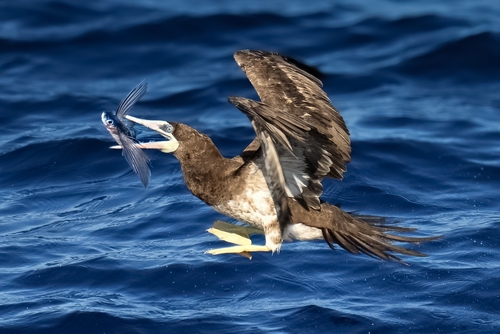
カツオドリ (Sula leucogaster) カツオドリ
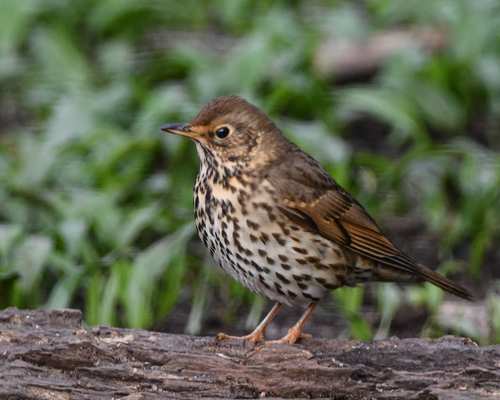
ウタツグミ (Turdus philomelos) ウタツグミ

メディア

読み込み中…

要点

最も信頼できるフィールドマークは全体のサイズと構造です:カツオドリは、暗い茶色の上面と白い下面が鮮やかに対比する巨大で長い翼を持つ海鳥であり、ウタツグミは、平坦な茶色の上面とクリーム色の斑点のある下面を持つ小さくてコンパクトな陸鳥です。幼鳥のカツオドリはすでに二色のパターン(上が暗く、下が淡い)を示していますが、幼鳥のウタツグミは上面がより均一な茶色で、バフの筋と斑点のある下面を持っています。飛行中、カツオドリの長く尖った翼とテーパー状の尾は、ウタツグミの短く丸い翼と短い尾と比較して明確です。止まっているのが見られた場合、カツオドリの巨大なサイズ、ダガービル、そして水かきのある足は診断的であり、ウタツグミははるかに小さく、細長いくちばしとピンクの脚を持っています。

識別のコツ

  1. サイズと形:カツオドリはウタツグミと比較して巨大です—ガチョウのサイズの鳥を探してください、小さなウタツグミと比較して。これはどんな距離でも診断的です。
  2. 飛行中の翼の形:カツオドリは長く、狭く、尖った翼と長いテーパー状の尾を持っています;ウタツグミは短く、丸い翼と短い尾を持っています。この違いはすべての年齢と季節で明確です。
  3. 羽毛のコントラスト(すべての年齢):カツオドリは、幼鳥であっても暗い茶色の上面と白い下面の間に鮮やかな区分を示します。ウタツグミは上面が茶色で下面が淡いですが、移行は徐々に行われ、下面は斑点があり、きれいな白ではありません。
  4. 幼鳥のマーク:幼鳥のウタツグミは背中と翼の覆いにバフまたはオレンジの筋があり、温かい黄色の下面を持っています;幼鳥のカツオドリはこれらを欠き、代わりに下に斑点のある二色の暗い/淡いパターンを示します。
  5. くちばしの形:カツオドリは鋭く尖った長いくちばしを持ち、ギザギザのエッジがあります;ウタツグミは短く、細長い、まっすぐなくちばしを持っています。くちばしの色はカツオドリでは性別や地理によって異なりますが、ウタツグミと比較して常に巨大です。
  6. 足:カツオドリは水かきのある足を持っています(常に見えるわけではありません);ウタツグミは細長い、ピンクの、無水かきの脚と足を持っています。
  7. 止まっている姿勢:カツオドリは直立していて、巨大で、しばしば岩や船に止まります;ウタツグミは直立していますが、はるかに小さく、木々、茂み、または地面に止まります。
  8. 生息地:カツオドリは厳密に海洋性—内陸には決していません;ウタツグミは厳密に陸生—海には決していません。
  9. 行動:カツオドリは群れを成し、しばしば群れやペアで見られます;ウタツグミは孤独または緩い群れで見られます。カツオドリは急降下して餌を探し、ウタツグミは地面で無脊椎動物を探します。
  10. 鳴き声:ウタツグミは繰り返しの音楽的フレーズで大きく歌います;カツオドリはほとんど静かで、稀にうめき声やクワック音を出します。
  11. 裸の部分の色:カツオドリのオスは青い眼窩環を持ち、メスは黄色ですが、これは微妙です。ウタツグミは黄色がかったくちばしとピンクの脚を持ち、カツオドリの裸の部分よりもはるかに目立ちません。
  12. 文脈:海の上を低く飛んでいる大きな二色の鳥や船に止まっている鳥はカツオドリです。庭、森林、公園にいる小さな茶色の斑点のある鳥はウタツグミです。
  13. 混乱のリスク:暗い光の中では、遠くのカツオドリは対比が少なく見えるかもしれませんが、サイズと形は依然としてそれらを区別します。幼鳥のウタツグミはカツオドリの暗い頭と鮮明な白い腹を示すことはありません。
  14. 飛行スタイル:カツオドリの飛行は強く、直接的で急速な翼の打撃があります;ウタツグミは跳ねるようで、ひらひらしています。
  15. 季節的変化:カツオドリの羽毛と裸の部分の色は季節的にほとんど変わりません;ウタツグミの歌は季節的(主に春/夏)ですが、羽毛は一年中一貫しています。

大きさ

カツオドリははるかに大きく、約1266.5gの重さで、長さは最大80cm、翼幅は150cmに近づきます。それに対して、ウタツグミは約72gの重さで、長さは20〜23.5cm、翼幅ははるかに短いです。距離があっても、カツオドリの体格、長い翼、全体の比率は、小さくてコンパクトなウタツグミと混同することは不可能です。

羽色

幼鳥のカツオドリはすでに成鳥に似ており、暗い茶色から黒っぽい頭、背中、上翼との間に強いコントラストを示し、白または茶色の斑点のある腹部と下面を持っています。この二色の効果は、止まっているときと飛行中の両方で見られ、翼は長く尖っています。一方、幼鳥のウタツグミは上面がより均一な茶色で、背中と翼の覆いにバフまたはオレンジの筋があり、下面はクリームまたはバフで、きれいな黒い斑点があります;下面は温かい黄色です。両種の成鳥はこれらのパターンを保持します:カツオドリは常に鮮明な暗い/明るい分割を示し、ウタツグミは上面が茶色で、下面が斑点のある淡い色で、カツオドリの鮮明な区分や暗い頭を示すことはありません。カツオドリの裸の部分の色(眼窩環とくちばし)は性別や地理によって異なりますが、全体の羽毛のコントラストと比較して微妙です。

行動

カツオドリは非常に群れを成す海鳥であり、しばしば沿岸水域の上を低く飛んでいるか、岩や船に止まっているのが見られ、繁殖のために陸に来ることは稀です。その飛行は力強く直接的で、急速な翼の打撃と長い滑空を伴います。ウタツグミは孤独または緩い社会的な陸鳥であり、森林、庭、または生垣で地面を餌を探し、ほとんど水の近くで見られることはありません。その飛行は跳ねるようで、波打つように、短く丸い翼と速くひらひらしたスタイルを持っています。止まっているとき、カツオドリは直立していて巨大ですが、ウタツグミは直立していますが、はるかに小さくてスリムです。

生息環境

カツオドリは厳密に海洋性であり、熱帯および亜熱帯の海の上に見られ、しばしば沿岸や島の近くに生息し、内陸には決していません。ウタツグミは西パレアールティックの陸生種であり、森林、公園、庭、生垣で繁殖し、海では決して見られません。開けた海の上を飛んでいる鳥や船に止まっている鳥はカツオドリです;庭や森林にいる鳥はウタツグミです。

声

カツオドリは通常静かですが、稀にうめき声やクワック音を出すことがありますが、これは海ではほとんど聞かれません。ウタツグミは非常に声が大きく、特にオスは繰り返しのフレーズの大きく、明確で音楽的な歌を持ち、鋭い「ツィップ」やチョクチョクの警報を含むさまざまな呼び声を持っています。豊かで繰り返される歌や鋭い呼び声が聞こえた場合、それはウタツグミです;静けさや奇妙なうめき声はカツオドリを指します。

より良い説明を送る

比較と同じ項目を使ってください。文章はすぐに公開されます。

The most reliable field mark is overall size and structure: Brown Booby is a massive, long-winged seabird with sharply contrasting dark brown upperparts and white underparts, while Song Thrush is a small, compact landbird with plain brown upperparts and spotted cream underparts. Juvenile Brown Booby already shows a two-tone pattern (dark above, pale below), whereas juvenile Song Thrush is more uniform brown above with buff streaks and spotted underparts. In flight, the booby’s long, pointed wings and tapered tail are unmistakable compared to the thrush’s short, rounded wings and short tail. If seen perched, the booby’s huge size, dagger bill, and webbed feet are diagnostic, while the thrush is much smaller, with a slender bill and pink legs.

  1. Size and shape: Brown Booby is enormous compared to Song Thrush—look for a bird the size of a goose versus a small thrush. This is diagnostic at any distance.
  2. Wing shape in flight: Booby has long, narrow, pointed wings and a long, tapered tail; thrush has short, rounded wings and a short tail. This difference is clear in all ages and seasons.
  3. Plumage contrast (all ages): Booby shows a sharp division between dark brown upperparts and white underparts, even in juveniles. Song Thrush is brown above and pale below, but the transition is gradual and the underparts are spotted, not clean white.
  4. Juvenile marks: Juvenile Song Thrush has buff or orange streaks on the back and wing coverts, and warm yellow underwings; juvenile booby lacks these, instead showing a two-tone dark/pale pattern with flecking below.
  5. Bill shape: Booby has a long, sharply pointed bill with jagged edges; thrush has a short, slender, straight bill. Bill color varies in booby by sex and geography but is always massive compared to the thrush.
  6. Feet: Booby has webbed feet (not always visible); thrush has slender, pink, unwebbed legs and feet.
  7. Perched posture: Booby is upright, bulky, and often perches on rocks or ships; thrush is upright but much smaller and perches in trees, bushes, or on the ground.
  8. Habitat: Booby is strictly marine—never inland; thrush is strictly terrestrial—never at sea.
  9. Behavior: Booby is gregarious, often in flocks or pairs; thrush is solitary or in loose groups. Booby forages by plunge-diving; thrush forages on the ground for invertebrates.
  10. Vocalization: Thrush sings loudly with repeated musical phrases; booby is mostly silent, with rare grunts or quacks.
  11. Bare part colors: Booby males have a blue orbital ring, females yellow, but this is subtle. Thrush has a yellowish bill and pink legs—much less striking than the booby’s bare parts.
  12. Context: Any large, two-tone bird flying low over the sea or perched on a ship is a booby. Any small, brown, spotted bird in a garden, woodland, or park is a thrush.
  13. Confusion risk: In poor light, a distant booby might seem less contrasting, but size and shape will still separate them. Juvenile thrushes never show the booby’s dark head and crisp white belly.
  14. Flight style: Booby’s flight is strong and direct with rapid wingbeats; thrush is bounding and fluttery.
  15. Seasonal variation: Booby’s plumage and bare part colors vary little seasonally; thrush’s song is seasonal (mainly spring/summer), but plumage is consistent year-round.

Brown Booby is vastly larger, weighing about 1266.5 g and measuring up to 80 cm in length with a wingspan approaching 150 cm. In contrast, Song Thrush weighs only about 72 g, is 20–23.5 cm long, and has a much shorter wingspan. Even at a distance, the booby’s bulk, long wings, and overall proportions are impossible to confuse with the small, compact thrush.

Juvenile Brown Booby already resembles the adult, showing a strong contrast between dark brown to blackish head, back, and upperwings, and a white or heavily brown-flecked belly and underparts. This two-tone effect is visible both perched and in flight, and the wings are long and pointed. Juvenile Song Thrush, on the other hand, is more uniform brown above with buff or orange streaks on the back and wing coverts, and the underparts are cream or buff with neat black spots; the underwing is warm yellow. Adults of both species retain these patterns: Brown Booby always shows a sharp dark/light split, while Song Thrush is brown above, pale below with spots, and never shows the booby’s crisp division or dark head. The booby’s bare part colors (orbital ring and bill) vary by sex and geography, but these are subtle compared to the overall plumage contrast.

Brown Booby is a highly gregarious seabird, often seen flying low over inshore waters or perched on rocks and ships, rarely coming to land except to breed. Its flight is powerful and direct, with rapid wingbeats and long glides. Song Thrush is a solitary or loosely social landbird, foraging on the ground in woodland, gardens, or hedgerows, and is rarely seen near water. Its flight is bounding and undulating, with short, rounded wings and a quick, fluttery style. Perched, the booby is upright and massive, while the thrush is upright but much smaller and slimmer.

Brown Booby is strictly marine, found over tropical and subtropical seas, often near coasts or islands, and never inland. Song Thrush is a terrestrial species of the West Palearctic, breeding in woodlands, parks, gardens, and hedgerows, and is never found at sea. Any bird seen over open ocean or perched on a ship is a booby; any bird in a garden or woodland is a thrush.

Brown Booby is typically silent, but may give occasional grunting or quacking sounds, which are rarely heard at sea. Song Thrush is highly vocal, especially the male, with a loud, clear, musical song of repeated phrases, and a variety of calls including a sharp 'tsip' and a chook-chook alarm. If you hear a rich, repeated song or sharp call, it is the thrush; silence or odd grunts point to the booby.

変更を破棄しますか?

保存していない編集があります。今離れると失われます。

カツオドリ · ウタツグミ · 苦手な鳥