
Motmot

アレチシギダチョウ 対 アンデスシギダチョウ

Nothoprocta cinerascens 対 Nothoprocta pentlandii

アレチシギダチョウとアンデスシギダチョウのクイズ
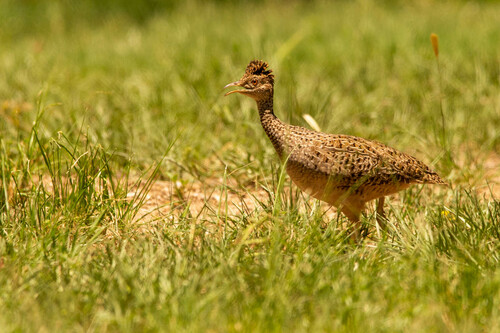
アレチシギダチョウ (Nothoprocta cinerascens) アレチシギダチョウ
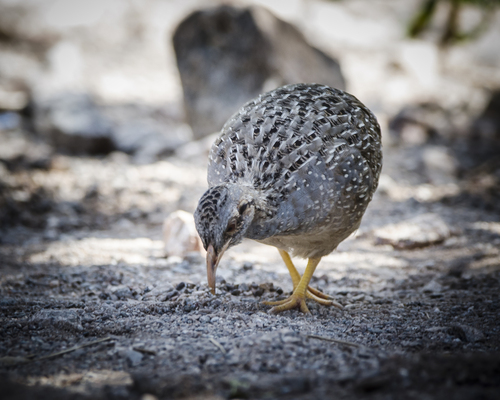
アンデスシギダチョウ (Nothoprocta pentlandii) アンデスシギダチョウ

メディア

読み込み中…

要点

アレチシギダチョウとアンデスシギダチョウの最も信頼できるフィールドマークはサイズです:アレチはかなり重くてがっしりしており、アンデスは明らかに小さくて軽いです。羽毛の違いは微妙ですが存在します—アンデスシギダチョウは黒い冠、白またはバフの斑点がある灰色の胸、黄色い脚を示しますが、アレチシギダチョウはこれらの強いコントラストが欠けています。両種は高地の低木地帯に生息していますが、アンデスシギダチョウはアンデス山脈の高い場所に生息し、さらに北に見られます。フィールドでは、まず全体の体格と脚の色に注目し、視界が許せば冠と胸の模様を探してください。年齢特有の飛行や翼の模様はどちらの種にも記載されていないため、構造と羽毛の詳細に頼って区別してください。

識別のコツ

  1. Size is key: アレチシギダチョウはアンデスシギダチョウよりもはるかに重くてがっしりしています。もし鳥がその長さに対して明らかに丸くて重いように見える場合は、アレチを選んでください。
  2. Leg color: アンデスシギダチョウは黄色い脚を持ち、良好な視界で見ることができ、アレチシギダチョウには記載されていません。このマークは脚がはっきり見えるときに使用してください。
  3. Crown coloration: アンデスシギダチョウだけが黒い冠を持っています。明確な暗い冠が見えた場合、それはアンデスです。
  4. Breast pattern: アンデスシギダチョウは白またはバフの斑点がある灰色の胸を示しますが、アレチはこの強い斑点が欠けています。止まっている鳥や近くで見える鳥でこれを探してください。
  5. Upperparts: 両種は茶色がかった上面を持っていますが、アンデスシギダチョウのものはオリーブブラウンで黒と白の縞模様があります。アレチはより均一なアーストーンです。
  6. Head and throat: アンデスシギダチョウの頭部と喉の側面は灰色のまだら模様で、頭がはっきり見える場合は微妙ですが有用なマークです。
  7. Belly color: アンデスシギダチョウはバフまたは白っぽい腹を持っていますが、アレチの腹はあまり明確にマークされていません。
  8. Habitat context: 両種は低木地帯に生息しますが、高地(3,000 m以上)やアルゼンチン中央部の北側のアンデスにいる場合は、アンデスの方が可能性が高いです。南アメリカの低地ではアレチが好まれます。
  9. No age-specific flight marks: どちらの種も特有の幼鳥や未熟な翼や飛行パターンを持っているとは記載されていないため、これらに頼って区別しないでください。
  10. Behavior: 両種は秘密主義で地面に生息しており、行動は信頼できる区別にはなりません。
  11. Voice: 情報源には診断的な声の違いは記載されていませんので、声に頼って区別しないでください。
  12. Direct comparison: 同じ地域に両種がいる場合(稀ですが重なり合うゾーンでは可能)、サイズと脚の色の違いが際立つはずです。
  13. Plumage pitfalls: 両種は隠蔽性があり、距離や悪い光の中で似て見えることがあります。常に頭と脚の明確な視界を試みてIDを確認してください。
  14. Sex and season: どちらの種にも性的二形や季節的な羽毛の変化は記載されていないため、これらのマークは年間を通じて、両性に対して信頼できます。
  15. Summary: 実際には、サイズ、脚の色、冠、胸の模様の組み合わせを使用して、最も信頼できるフィールドの区別を行ってください。

大きさ

アレチシギダチョウははるかに重く、平均526 gで、アンデスシギダチョウは平均293 gです [wikidata]。この違いは大きく、直接比較で明らかになるはずです:アレチはよりがっしりして丸みを帯びて見え、アンデスはよりコンパクトです。両者は長さ(アンデスシギダチョウは約27 cm)で似ていますが、質量が最も明確なサイズの手がかりです。フィールドでは、特に長さに対して重そうに見えるシギダチョウはおそらくアレチです。

羽色

どちらの種にも年齢特有の翼や飛行パターンのマークは報告されていないため、成鳥の羽毛に注目してください。アンデスシギダチョウは黒い冠、灰色がかった茶色からオリーブブラウンの上面に黒と白の縞模様、白またはバフの斑点がある灰色の胸で特徴的です。腹はバフまたは白っぽく、頭と喉の側面は灰色のまだら模様です。脚は黄色で、便利なフィールドマークを提供します。アレチシギダチョウは黒い冠と強い胸の斑点が欠けており、全体の色合いは対照的ではなく、脚の色は黄色とは記載されていません。両種は一般的に隠蔽性があり、アーストーンの羽毛を持っていますが、アンデスシギダチョウの冠、胸、脚の色の組み合わせはこの2種の中でユニークです。

行動

両種は地面に生息し、秘密主義で、シギダチョウに典型的で、最もよく低木地帯を歩いたり走ったりしているのが見られます。情報源には特有の行動の違いは記載されていません。どちらも近づくと突然飛び立ち、急速な翼の動きで短距離を飛びます。飛行中、サイズの違いが明らかになるかもしれませんが、特定の飛行スタイルやジズの違いは記載されていません。

生息環境

両種は高地の乾燥した低木地帯を好みます。アレチシギダチョウは南アメリカの亜熱帯および熱帯地域に見られ、アンデスシギダチョウは南エクアドルから中央チリ、アルゼンチンのコルドバ山脈まで、800 mから4,100 mの高度で生息しています。アンデスシギダチョウの範囲は緯度と高度で広く、特にアンデスの高い場所に生息しています。3,000 m以上または北部アンデスで見られた場合、アンデスの方が可能性が高いです;南部の低地の低木地帯ではアレチが好まれます。

より良い説明を送る

比較と同じ項目を使ってください。文章はすぐに公開されます。

The most reliable field mark between Brushland Tinamou and Andean Tinamou is size: Brushland is substantially heavier and bulkier, while Andean is noticeably smaller and lighter. Plumage differences are subtle but present—Andean Tinamou shows a black crown, grey breast with white/buff spots, and yellow legs, while Brushland Tinamou lacks these strong contrasts. Both species inhabit high-altitude shrubland, but Andean Tinamou ranges higher into the Andes and can be found further north. In the field, focus first on overall bulk and leg color, then look for crown and breast pattern if views allow. Age-specific flight or wing pattern marks are not described for either species, so rely on structure and plumage details for separation.

  1. Size is key: Brushland Tinamou is much heavier and bulkier than Andean Tinamou. If the bird appears notably round and heavy for its length, favor Brushland.
  2. Leg color: Andean Tinamou has yellow legs, which are visible in good views and are not described for Brushland Tinamou. Use this mark when the legs are clearly seen.
  3. Crown coloration: Only Andean Tinamou has a black crown. If you see a distinct dark crown, it's Andean.
  4. Breast pattern: Andean Tinamou shows a grey breast with white or buff spots, while Brushland lacks this strong spotting. Look for this in perched birds or those seen at close range.
  5. Upperparts: Both species have brownish upperparts, but Andean Tinamou's are more olive-brown and barred with black and white. Brushland is more uniformly earth-toned.
  6. Head and throat: Andean Tinamou's sides of head and throat are mottled grey, a subtle but useful mark if the head is clearly visible.
  7. Belly color: Andean Tinamou has a buff or whitish belly, while Brushland's is less distinctly marked.
  8. Habitat context: Both occur in shrubland, but if you are at higher elevations (above 3,000 m) or in the Andes north of central Argentina, Andean is more likely. In southern South America at lower elevations, Brushland is favored.
  9. No age-specific flight marks: Neither species is described as having distinctive juvenile or immature wing or flight patterns, so do not rely on these for separation.
  10. Behavior: Both are secretive and ground-dwelling; behavior is not a reliable separator.
  11. Voice: No diagnostic vocal differences are described in the sources; do not rely on voice for separation.
  12. Direct comparison: If you have both species in the same area (rare but possible in overlap zones), the size and leg color difference should stand out.
  13. Plumage pitfalls: Both species are cryptic and can appear similar at a distance or in poor light. Always try for a clear view of the head and legs to confirm ID.
  14. Sex and season: No sexual dimorphism or seasonal plumage change is described for either species; these marks are reliable year-round and for both sexes.
  15. Summary: In practice, use a combination of size, leg color, crown, and breast pattern for the most reliable field separation.

Brushland Tinamou is much heavier, averaging 526 g, while Andean Tinamou averages only 293 g [wikidata]. This difference is substantial and should be apparent in direct comparison: Brushland appears bulkier and rounder, while Andean is more compact. Both are similar in length (Andean Tinamou about 27 cm), but mass is the clearest size cue. In the field, a tinamou that looks particularly hefty for its length is likely Brushland.

No age-specific wing or flight pattern marks are reported for either species, so focus on adult plumage. Andean Tinamou is distinctive for its black crown, greyish-brown to olive-brown upperparts with black and white barring, and a grey breast with white or buff spots. Its belly is buff or whitish, and the sides of the head and throat are mottled grey. The legs are yellow, providing a useful field mark. Brushland Tinamou lacks the black crown and strong breast spotting; its overall coloration is less contrasting, and leg color is not described as yellow. Both species have generally cryptic, earth-toned plumage, but Andean Tinamou's combination of crown, breast, and leg color is unique among these two.

Both species are ground-dwelling and secretive, typical of tinamous, and are most often seen walking or running through shrubland. No unique behavioral differences are noted in the sources. Both can flush suddenly when approached, flying short distances with rapid wingbeats. In flight, size difference may be apparent, but no specific flight style or jizz differences are described.

Both species favor high-altitude dry shrubland. Brushland Tinamou is found in subtropical and tropical regions of southern South America, while Andean Tinamou ranges from southern Ecuador to central Chile and into the Sierras de Córdoba in Argentina, at altitudes from 800 to 4,100 m. Andean Tinamou's range is broader in latitude and elevation, especially higher into the Andes. If seen above 3,000 m or in the northern Andes, Andean is more likely; in southern lowland shrubland, Brushland is favored.

変更を破棄しますか?

保存していない編集があります。今離れると失われます。

アレチシギダチョウ · アンデスシギダチョウ · 苦手な鳥