
Motmot

ヨーロッパウグイス 対 ノドジロムシクイ

Cettia cetti 対 Curruca communis

ヨーロッパウグイスとノドジロムシクイのクイズ

ヨーロッパウグイス (Cettia cetti) ヨーロッパウグイス
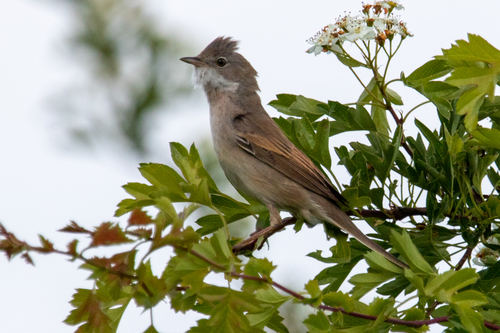
ノドジロムシクイ (Curruca communis) ノドジロムシクイ

メディア

読み込み中…

要点

ヨーロッパウグイスとノドジロムシクイを区別する最も信頼できる方法は、構造と顔の模様によるものです:ヨーロッパウグイスは丸い頭、短い丸い翼、長く幅広い尾、暗い目の上に狭い淡いスーパシリウムを持っていますが、ノドジロムシクイはスリムで、より尖った翼、短い尾を持ち、強いスーパシリウムがありません。羽毛では、ヨーロッパウグイスは上面が豊かな栗色、下面が淡い灰褐色で、性別は同じです;ノドジロムシクイのオスは灰色の頭と白い喉を持ち、メスはより茶色く鈍い色合いです。ヨーロッパウグイスはほぼ常に密で湿った藪に見られ、通常は見られる前に聞こえますが、ノドジロムシクイはより開けた低木を好み、露出した止まり木から歌います。水の近くで大きな爆発的な歌を持つ丸い体型のウグイスを見かけたら、それはCetti'sの可能性が高いです;乾燥した低木でかすれた歌を持つより直立した、開けた止まり木にいる鳥はWhitethroatの可能性が高いです。

識別のコツ

  1. Head pattern: ヨーロッパウグイスは丸い頭を持ち、暗い目の上に狭い淡いスーパシリウムがあり、強い顔のコントラストを与えています。Whitethroatは強いスーパシリウムがなく、オスは灰色の頭を持ち、メスは普通の茶色です。
  2. Tail shape and length: ヨーロッパウグイスは長く幅広い尾を持ち(ウグイスの中で唯一10本の尾羽を持つためユニークです)、しばしば振ったり傾けたりします。Whitethroatの尾は短く、狭く、ディスプレイで目立って使われることはありません。
  3. Wing shape: ヨーロッパウグイスは短く丸い翼を持ち、飛行中や止まっているときにコンパクトで stubby な外観を与えます。Whitethroatの翼は長く尖っており、より流線型の外観に寄与しています。
  4. Plumage color: Cetti'sは上面が豊かな栗色または暗い赤褐色、下面が淡い灰褐色で、性別間のコントラストはほとんどありません。Whitethroatのオスは灰色の頭と白い喉を持ち、メスはより茶色く、コントラストが少ないですが、両方とも淡い喉を持っています。
  5. Sexual dimorphism: Whitethroatのみが強いオス/メスの違いを示し、Cetti'sの性別はフィールドで同じです。
  6. Juvenile confusion: 幼鳥のCetti'sは成鳥に似ており(豊かな茶色、下は淡い)、幼鳥のWhitethroatはより淡く、喉があまり目立たず、灰色の頭がありません。
  7. Perching behavior: Cetti'sはオープンな場所に止まることはほとんどなく、通常はカバーの中に深く留まります。Whitethroatはしばしば露出した止まり木から歌ったり餌を探したりします。
  8. Habitat: 密で湿った藪はCetti'sを示し、乾燥した開けた低木やブラムルのパッチはWhitethroatを示唆します。
  9. Song: Cetti'sの歌はカバーからの短い爆発的なバーストで、Whitethroatの歌はオープンな止まり木からの速く、かすれた、叱責するような連続です。
  10. Flight style: Cetti'sはカバーの間を低く短く飛び、しばしば重く、バウンスするような飛行をします。Whitethroatはブッシュの間を長く、ひらひらとした飛行をします。
  11. Bill: 両方とも典型的なウグイスのくちばしを持っていますが、Cetti'sはWhitethroatよりも少し stubby で尖っていません。
  12. Eye color: 両種とも暗い目を持っていますが、Cetti'sの淡いスーパシリウムとのコントラストが目をより目立たせます。
  13. Tail flicking: Cetti'sはしばしば尾を振ったり扇いだりしますが、Whitethroatはこの行動をあまり目立たせません。
  14. Seasonal context: 初春にはCetti'sは定住し、声を出します;Whitethroatは移動性で、後に到着し、秋には早く出発します。
  15. Abundance: 適切な湿った生息地では、Cetti'sは一般的ですが、見落とされやすいです;Whitethroatは繁殖期に開けた国で広く分布しています。

大きさ

両種は全体の長さが似ています(ヨーロッパウグイス 13–14 cm、ノドジロムシクイも同様)が、ヨーロッパウグイスは平均してやや重く(オスは最大15 g)見た目がより大きく、明らかに長く幅広い尾を持っています。Whitethroatはスリムで、体重は約14.5 g [wikidata]で、比例的に短い尾とより流線型の形を持っています。手に持つと、オスのヨーロッパウグイスはメスよりも明らかに長い翼を持っていますが、これはフィールドで簡単に判断できません。

羽色

幼鳥と成鳥のヨーロッパウグイスは非常に似ています:両方とも上面が豊かな栗色または暗い赤褐色、下面が淡い灰褐色で、狭い淡いスーパシリウムと長く幅広い尾を持っています。幼鳥は舌の2つの暗い斑点で識別できます(フィールドでは見えません)。Cetti'sは翼の模様や淡いパネルがなく、その尾はウグイスの中で唯一10本の羽を持つためユニークです。対照的に、ノドジロムシクイは明確な性差を示します:成鳥のオスは灰色の頭と白い喉を持ち、上面は茶色で、翼の羽には栗色の縁があります;メスは灰色の頭がなく、全体的に茶色く鈍い色合いで、喉のコントラストが少ないです。両性ともにより均一な茶色の背中とバフ色の腹部を持っていますが、白い喉は通常目に見えます。飛行中、Whitethroatの翼は長く尖っており、尾はCetti'sよりも短く、幅が狭いです。どちらの種にも特有の幼鳥の翼の模様は記載されていないため、全体の色、頭の模様、構造に基づいて区別されます。

行動

ヨーロッパウグイスは非常に隠れがちで、密で湿った植生を離れることはほとんどなく、最もよくその爆発的な歌によって検出されます。通常は長い尾を振り、カバーの中をマウスのように動き、オープンな場所に止まることはほとんどありません。ノドジロムシクイははるかに目立ち、しばしば茂みやワイヤーの上の露出した止まり木から歌い、低木の間を短くひらひらと飛びます。餌を探す行動はより活発で目立ち、密なカバーにあまり依存しません。

生息環境

ヨーロッパウグイスは水の近くの密で低木の生息地に強く関連しており、葦原、湿った藪、川岸、湿地の端に見られます。乾燥したり開けた生息地は避けます。ノドジロムシクイはより乾燥した開けた低木、ヘッジ、ブラムルのパッチ、粗い草地を好み、しばしば水から離れています。密で湿った植生の中にウグイスを見つけた場合、Cetti'sの可能性が高く、乾燥した開けた低木ではWhitethroatを期待してください。

声

ヨーロッパウグイスは非常に大きく爆発的な歌を持ち、短いバーストで深いカバーから発せられ、通常はその存在の最初の手がかりです。この歌はヨーロッパのウグイスの中でユニークで、Whitethroatと混同されることはありません。ノドジロムシクイの歌は速く、かすれた、叱責するようなもので、しばしば露出した止まり木から発せられます;その呼び声はかすれた、鼻にかかったもので、粗い「tschehr」を含みます。隠れた鳥からの突然の強力なバーストを聞いたら、Cetti'sを考えてください;オープンな止まり木からのより連続的でかすれた歌はWhitethroatを指し示します。

より良い説明を送る

比較と同じ項目を使ってください。文章はすぐに公開されます。

The most reliable way to separate Cetti's Warbler from Common Whitethroat is by structure and face pattern: Cetti's Warbler has a rounded head, short rounded wings, a long broad tail, and a narrow pale supercilium over a dark eye, while Common Whitethroat is slimmer with a more pointed wing, shorter tail, and lacks the strong supercilium. In plumage, Cetti's Warbler is a rich chestnut-brown above and pale grey-brown below, with sexes alike; Common Whitethroat males have a grey head and white throat, while females are browner and duller. Cetti's Warbler is nearly always found in dense, damp thickets and is usually heard before seen, whereas Common Whitethroat prefers more open scrub and sings from exposed perches. If you glimpse a skulking, round-bodied warbler with a loud explosive song near water, it's likely Cetti's; a more upright, open-perched bird with a scratchy song in dry scrub is likely Whitethroat.

  1. Head pattern: Cetti's Warbler has a rounded head with a narrow, pale supercilium over a dark eye, giving a strong facial contrast. Whitethroat lacks a strong supercilium; males have a grey head, females are plain brown.
  2. Tail shape and length: Cetti's Warbler has a long, broad tail (unique among warblers for having only ten tail feathers), often flicked or cocked. Whitethroat's tail is shorter, narrower, and not as prominently used in display.
  3. Wing shape: Cetti's Warbler has short, rounded wings, giving a compact, stubby appearance in flight and when perched. Whitethroat's wings are longer and more pointed, contributing to a more streamlined look.
  4. Plumage color: Cetti's is rich chestnut or dark reddish-brown above and pale grey-brown below, with little contrast between sexes. Whitethroat males have a grey head and white throat; females are browner and less contrasting, but both show a pale throat against a buff belly.
  5. Sexual dimorphism: Only Whitethroat shows strong male/female differences; Cetti's sexes are alike in the field.
  6. Juvenile confusion: Juvenile Cetti's look like adults (rich brown, pale below), while juvenile Whitethroat are paler, with a less distinct throat and no grey head.
  7. Perching behavior: Cetti's rarely perches in the open, usually staying deep in cover. Whitethroat often sings or forages from exposed perches.
  8. Habitat: Dense, wet thickets point to Cetti's; dry, open scrub or bramble patches suggest Whitethroat.
  9. Song: Cetti's song is a short, explosive burst from cover; Whitethroat's is a fast, scratchy, scolding series from an open perch.
  10. Flight style: Cetti's flies low and briefly between cover, often with a heavy, bouncing flight. Whitethroat makes longer, fluttering flights between bushes.
  11. Bill: Both have typical warbler bills, but Cetti's is slightly stubbier and less pointed than Whitethroat's.
  12. Eye color: Both species have dark eyes, but the contrast with Cetti's pale supercilium makes the eye stand out more.
  13. Tail flicking: Cetti's often flicks and fans its tail; Whitethroat does not show this behavior as prominently.
  14. Seasonal context: In early spring, Cetti's is resident and vocal; Whitethroat is a migrant, arriving later and departing earlier in autumn.
  15. Abundance: In suitable wet habitats, Cetti's can be common but is easily overlooked; Whitethroat is widespread in open country during the breeding season.

Both species are similar in overall length (Cetti's Warbler 13–14 cm, Common Whitethroat similar), but Cetti's Warbler is slightly heavier on average (males up to 15 g) and appears bulkier, with a noticeably longer and broader tail. Whitethroat is slimmer, with a body mass around 14.5 g [wikidata], and has a proportionally shorter tail and more streamlined shape. In hand, male Cetti's Warbler has a significantly longer wing than female, but this is not easily judged in the field.

Juvenile and adult Cetti's Warbler look very similar: both are rich chestnut or dark reddish-brown above and pale grey-brown below, with a narrow pale supercilium and a long, broad tail. Juveniles can be told by two dark spots on the tongue (not visible in the field). Cetti's has no wing pattern or pale panels, and its tail is unique among warblers for having only ten feathers. In contrast, Common Whitethroat shows clear sexual dimorphism: adult males have a grey head and white throat, with brown upperparts and chestnut fringes to the wing feathers; females lack the grey head and are overall browner and duller, with a less contrasting throat. Both sexes have a more uniform brown back and buff underparts, but the white throat is usually visible. In flight, Whitethroat's wings are longer and more pointed, and the tail is shorter and less broad than Cetti's. There are no distinctive juvenile wing patterns described for either species, so separation relies on overall color, head pattern, and structure.

Cetti's Warbler is extremely skulking, rarely leaving dense, damp vegetation, and is most often detected by its explosive song. It typically flicks its long tail and moves mouse-like through cover, rarely perching in the open. Common Whitethroat is much more conspicuous, often singing from exposed perches atop bushes or wires, and makes short, fluttering flights between shrubs. Its foraging is more active and visible, and it is less tied to dense cover.

Cetti's Warbler is strongly associated with dense, shrubby vegetation near water—reedbeds, wet thickets, riversides, and marsh edges. It avoids dry or open habitats. Common Whitethroat prefers drier, more open scrub, hedgerows, bramble patches, and rough grassland, often away from water. If you find a warbler in thick, wet vegetation, Cetti's is much more likely; in dry, open scrub, expect Whitethroat.

Cetti's Warbler has a very loud, explosive song delivered in short bursts, often from deep cover, and is usually the first clue to its presence. The song is unique among European warblers and is not easily confused with Whitethroat. Common Whitethroat's song is fast, scratchy, and scolding, often given from an exposed perch; its calls are hoarse, nasal, and include a rough 'tschehr'. If you hear a sudden, powerful burst from a hidden bird, think Cetti's; a more continuous, scratchy song from an open perch points to Whitethroat.

変更を破棄しますか?

保存していない編集があります。今離れると失われます。

ヨーロッパウグイス · ノドジロムシクイ · 苦手な鳥