
Motmot

ノドグロアオジ 対 シラガホオジロ

Emberiza cirlus 対 Emberiza leucocephalos

ノドグロアオジとシラガホオジロのクイズ
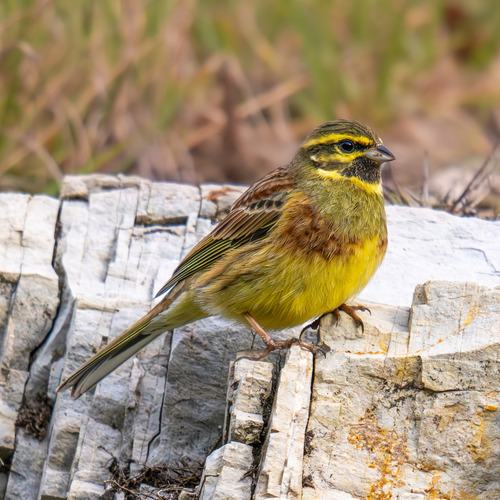
ノドグロアオジ (Emberiza cirlus) ノドグロアオジ
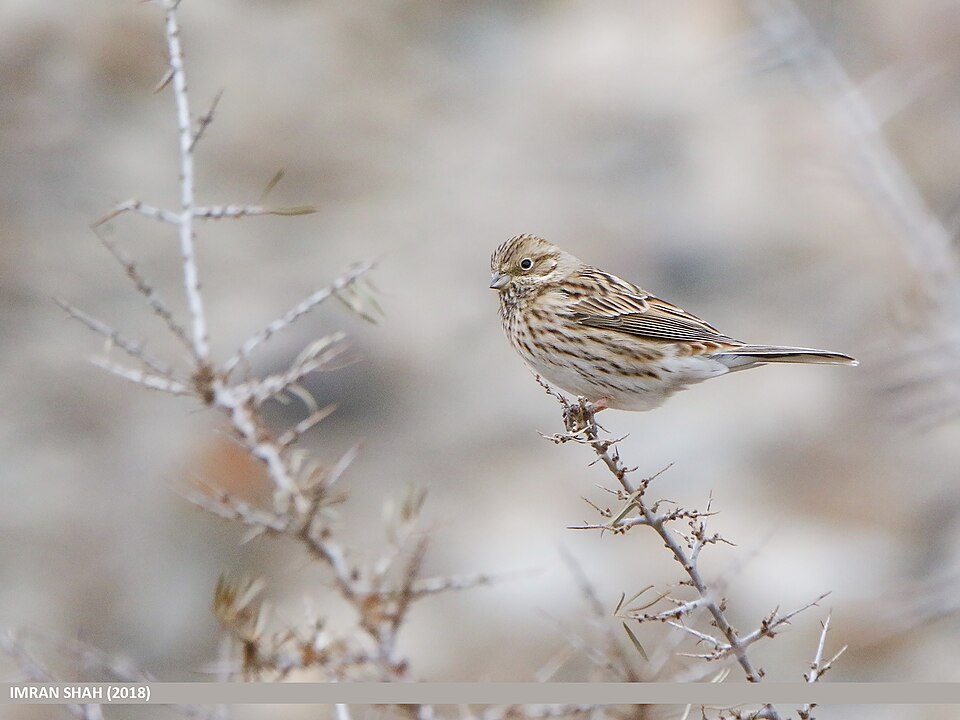
シラガホオジロ (Emberiza leucocephalos) シラガホオジロ

メディア

読み込み中…

要点

ノドグロアオジとシラガホオジロの最も信頼できるフィールドマークは、オスの頭の色と模様です:オスのノドグロアオジは黒い冠、アイストライプ、喉を持つ明るい黄色の頭を示し、一方でオスのシラガホオジロは白い冠と頬、栗色の額と喉を持っています。雌と非繁殖の鳥はより難解で、両者はキアオジに似ることがありますが、ノドグロアオジの雌は縞模様の灰褐色の尾と栗色の肩を持ち、シラガホオジロの雌は鈍く、下側がより縞模様で、非繁殖羽衣では黄色が白に置き換わります。両者は頑丈で、太いくちばしを持つアオジですが、ノドグロアオジはやや小型です。飛行中、どちらの種もすべての羽衣で診断的な独特の上翼模様を示さないため、特に止まっている姿勢で頭と下部の色に注目してください。

識別のコツ

  1. Male head pattern: 繁殖羽衣では、オスのノドグロアオジは黒い冠、アイストライプ、喉を持つ明るい黄色の頭を持ち、シラガホオジロの白い冠と栗色の額と喉とは異なります。これは成鳥のオスにおいて最も信頼できるマークです。
  2. Female and non-breeding birds: ノドグロアオジの雌はよりキアオジに似ていますが、縞模様の灰褐色の尾と栗色の肩を持ちます;シラガホオジロの雌は鈍く、下側がより縞模様で、特に非繁殖羽衣では黄色のトーンが欠けています。
  3. Breast band: オスのノドグロアオジは、他の黄色い下部に対して緑がかった胸のバンドを示します;シラガホオジロはこれがなく、下部はより白またはバフで、はっきりとしたマークが少ないです。
  4. Back and rump: 両者は重く縞模様の茶色の背中を持っていますが、ノドグロアオジの雌は縞模様の灰褐色の尾を持ち、よく見えれば役立ちます。
  5. Bill structure: 両者は太い種食性のくちばしを持っています;強い区別要因ではありません。
  6. Size: ノドグロアオジはシラガホオジロよりやや小型で頑丈さが劣りますが、これは微妙で、フィールドでは診断的ではありません。
  7. Upperwing pattern: どの年齢でも独特の上翼や飛行パターンの違いは見られません;翼のパネルや後縁に頼らないでください。
  8. Song: ノドグロアオジの歌はガラガラとしたトリルです;シラガホオジロの歌はキアオジの音楽的な歌に似ています。ガラガラ音が聞こえたらノドグロアオジを優先し、より音楽的であればシラガホオジロを優先してくださいが、重複や擬態に注意してください。
  9. Habitat and range: ノドグロアオジは南ヨーロッパの非移動性の鳥です;シラガホオジロはユーロシベリアの鳥です。範囲外の鳥は特にキアオジとのハイブリッドを注意深く調査する必要があります。
  10. Hybrid caution: シラガホオジロはキアオジとハイブリダイズすることがあり、混合特徴を持つ鳥を生じます(例:黄色の一次羽縁)。翼に黄色があるシラガホオジロタイプの鳥を見た場合、ハイブリッドの起源を考慮してくださいが、最近の基準では他のマークが合致する場合、シラガホオジロの変異の一部として黄色を受け入れています。
  11. Perched vs. flight views: 両者は止まっているときに最もよく識別されます。飛行中の姿勢では、これら二つの間で強い診断的マークは明らかになりません。
  12. Shoulder color: ノドグロアオジの雌の栗色の肩は微妙ですが、特に鈍いシラガホオジロの雌と比較すると有用なフィールドマークとなります。
  13. Underpart color: ノドグロアオジのオスは下部が明確に黄色ですが、シラガホオジロのオスはより白またはバフで、特に繁殖シーズン外ではそうです。
  14. Season: 冬には両種とも鈍くなりますが、シラガホオジロはすべての黄色を失い、白に置き換わります。一方、ノドグロアオジは特にオスにおいていくつかの黄色のトーンを保持します。
  15. Context: 南ヨーロッパの農地にいる場合、ノドグロアオジの方がはるかに可能性が高いです;シベリアの開けた森林や低木ではシラガホオジロが期待されます。範囲外の記録はハイブリッドや迷鳥を注意深く確認する必要があります。

大きさ

ノドグロアオジはやや小型で、全長約15.5 cm、翼開長22–25.5 cmです。シラガホオジロはより頑丈で、全長16–17.5 cm(翼開長は指定されていませんが、おそらくやや大きいです)。両者は太い種食性のくちばしを持ち、全体的なアオジの比率は似ているため、サイズだけでは隣同士で見ない限り診断的ではありません。

羽色

両種の幼鳥と初冬の鳥は混乱を招くことがあります。特にこの年齢では両者ともキアオジに似ています。これらの羽衣において、どちらの種にも独特の上翼パターン(黒い三角形や白いパネルなど)は言及されていません。成鳥の場合、オスのノドグロアオジは黒いマーク(冠、アイストライプ、喉)を持つ明るい黄色の頭と、黄色い下部に緑がかった胸のバンドを持ち、背中は重く縞模様の茶色です。オスのシラガホオジロは白い冠と頬、栗色の額と喉、重く縞模様の茶色の背中を持っています。ノドグロアオジの雌はよりキアオジに似ていますが、縞模様の灰褐色の尾と栗色の肩を持ち、シラガホオジロの雌は鈍く、下側がより縞模様で、特に非繁殖羽衣では黄色のトーンが欠けています。キアオジとのハイブリッドは中間的な特徴を示すことがあり、特にシラガホオジロでは識別が複雑になります。

行動

両種は行動において典型的なアオジであり、種子や昆虫を食べ、しばしば地面や低い植生で採餌しているのが見られます。フィールドで信頼できる区別をするための主要な行動の違いは見られません。

生息環境

ノドグロアオジは南ヨーロッパ、地中海の島々、北アフリカの住民であり、ヘッジや粗い草地、畑の縁を好みます。冬には移動しません。シラガホオジロはウラル山脈の東側のユーロシベリアに生息し、開けた森林や低木を好みます。彼らの範囲は通常重なりませんが、迷鳥やハイブリッドが発生することがあります。特にキアオジが存在する地域では注意が必要です。

声

ノドグロアオジのオスは単調なガラガラとしたトリルを歌い、これはウスアオジやシロハラの終端のガラガラに似ています。シラガホオジロの歌と呼び声はキアオジのものに似ており、より音楽的でガラガラ感が少ないです。声は役立ちますが、重複があり、両者ともキアオジと混同されることがあります。

より良い説明を送る

比較と同じ項目を使ってください。文章はすぐに公開されます。

The most reliable field mark between Cirl Bunting and Pine Bunting is the color and pattern of the male's head: male Cirl Buntings show a bright yellow head with black crown, eyestripe, and throat, while male Pine Buntings have a white crown and cheeks with a chestnut forehead and throat. Females and non-breeding birds are trickier, as both can resemble Yellowhammer, but Cirl Bunting females have a streaked grey-brown rump and chestnut shoulders, while Pine Bunting females are duller and more streaked below, with yellow replaced by white in non-breeding plumage. Both are robust, thick-billed buntings, but Cirl Bunting is slightly smaller. In flight, neither species shows a unique upperwing pattern that is diagnostic in all plumages, so focus on head and underpart coloration, especially in perched views.

  1. Male head pattern: In breeding plumage, male Cirl Bunting has a bright yellow head with black crown, eyestripe, and throat—distinct from Pine Bunting's white crown and cheeks with chestnut forehead and throat. This is the single most reliable mark in adult males.
  2. Female and non-breeding birds: Female Cirl Bunting is more yellowhammer-like but has a streaked grey-brown rump and chestnut shoulders; female Pine Bunting is duller, more streaked below, and lacks yellow tones, especially in non-breeding plumage, where yellow is replaced by white.
  3. Breast band: Male Cirl Bunting shows a greenish breast band across otherwise yellow underparts; Pine Bunting lacks this, with underparts more white or buff and less sharply marked.
  4. Back and rump: Both have heavily streaked brown backs, but Cirl Bunting females have a streaked grey-brown rump, which can be useful if seen well.
  5. Bill structure: Both have thick seed-eater bills; not a strong separator.
  6. Size: Cirl Bunting is slightly smaller and less robust than Pine Bunting, but this is subtle and rarely diagnostic in the field.
  7. Upperwing pattern: No distinctive upperwing or flight pattern differences are noted for any age; do not rely on wing panels or trailing edge for separation.
  8. Song: Cirl Bunting's song is a rattling trill; Pine Bunting's is more like Yellowhammer's musical song. If you hear a rattle, favor Cirl; if more musical, favor Pine, but beware overlap and mimicry.
  9. Habitat and range: Cirl Bunting is southern European and non-migratory; Pine Bunting is a bird of Eurosiberia. Out-of-range birds should be scrutinized for hybrids, especially with Yellowhammer.
  10. Hybrid caution: Pine Bunting can hybridize with Yellowhammer, producing birds with mixed features (e.g., yellow primary fringes). If you see a Pine Bunting-type bird with yellow in the wings, consider hybrid origin, but recent standards accept some yellow as within Pine Bunting variation if other marks fit.
  11. Perched vs. flight views: Both are best identified when perched, as flight views do not reveal strong diagnostic marks between these two.
  12. Shoulder color: Female Cirl Bunting's chestnut shoulders can be a subtle but useful field mark, especially in comparison to the duller Pine Bunting female.
  13. Underpart color: Cirl Bunting males are distinctly yellow below, Pine Bunting males are more white or buff, especially outside the breeding season.
  14. Season: In winter, both species become duller, but Pine Bunting loses all yellow, replaced by white, while Cirl Bunting retains some yellow tones, especially in males.
  15. Context: If you are in southern Europe in farmland, Cirl Bunting is far more likely; in open woodland or scrub in Siberia, Pine Bunting is expected. Out-of-range records should be checked carefully for hybrids and vagrants.

Cirl Bunting is slightly smaller, measuring about 15.5 cm in length with a wingspan of 22–25.5 cm. Pine Bunting is more robust, at 16–17.5 cm in length (wingspan not specified, but likely slightly larger). Both have thick seed-eater bills and similar overall bunting proportions, so size alone is rarely diagnostic unless seen side-by-side.

Juvenile and first-winter birds of both species can be confusing, especially as both resemble Yellowhammer at these ages. There are no distinctive upperwing patterns (such as black triangles or white panels) mentioned for either species in these plumages. For adults, male Cirl Buntings have a bright yellow head with black markings (crown, eyestripe, throat) and a greenish breast band across yellow underparts; their back is heavily streaked brown. Male Pine Buntings have a white crown and cheeks, chestnut forehead and throat, and a heavily streaked brown back. Female Cirl Buntings are more like Yellowhammer but with a streaked grey-brown rump and chestnut shoulders, while female Pine Buntings are duller, more streaked below, and lack yellow tones, especially in non-breeding plumage where yellow is replaced by white. Hybrids with Yellowhammer can show intermediate features, especially in Pine Bunting, complicating identification.

Both species are typical buntings in behavior, feeding on seeds and insects, and are often seen foraging on the ground or in low vegetation. No major behavioral differences are noted that reliably separate them in the field.

Cirl Bunting is a resident of southern Europe, Mediterranean islands, and North Africa, favoring farmland with hedgerows, rough grassland, and field margins. It does not migrate in winter. Pine Bunting is found in Eurosiberia east of the Urals, preferring open woodland and scrub. Their ranges do not typically overlap, but vagrants and hybrids can occur, especially in areas where Yellowhammer is present.

Cirl Bunting males sing a monotonous rattling trill, similar to the terminal rattle of Lesser Whitethroat or Arctic Warbler. Pine Bunting's song and calls are like those of Yellowhammer—more musical and less rattling. Voice can help, but there is overlap and both can be confused with Yellowhammer.

変更を破棄しますか?

保存していない編集があります。今離れると失われます。

ノドグロアオジ · シラガホオジロ · 苦手な鳥