
Motmot

オナガサイホウチョウ 対 ノドグロサイホウチョウ

Orthotomus sutorius 対 Orthotomus atrogularis

オナガサイホウチョウとノドグロサイホウチョウのクイズ
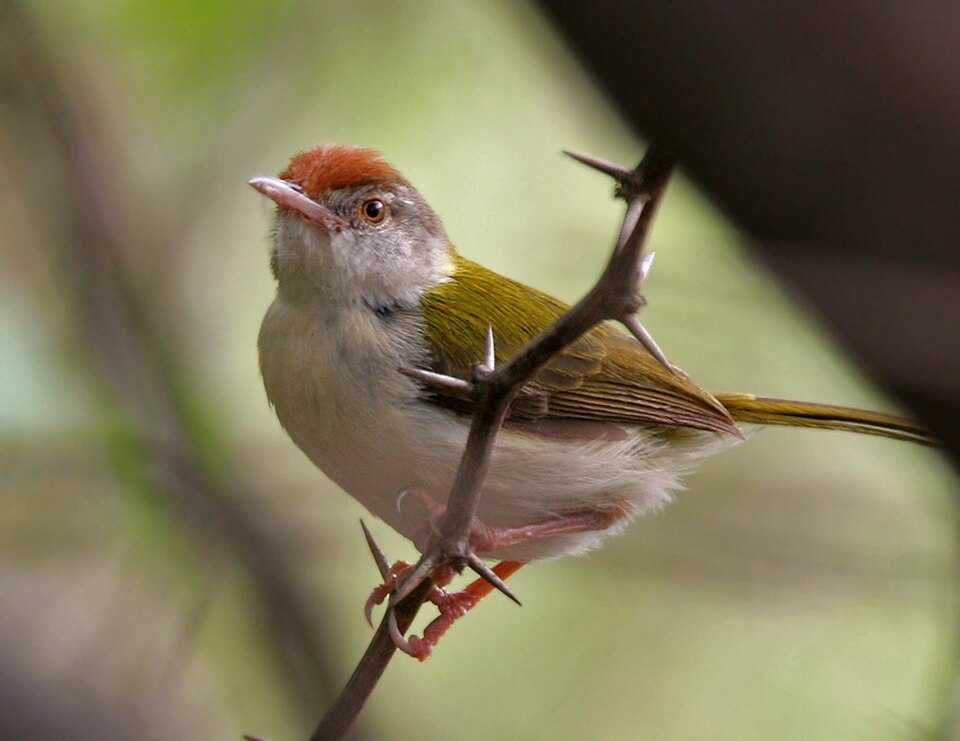
オナガサイホウチョウ (Orthotomus sutorius) オナガサイホウチョウ
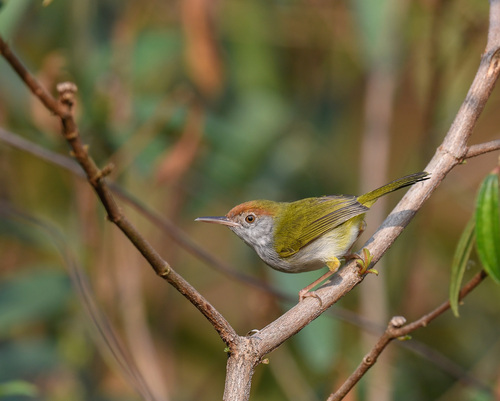
ノドグロサイホウチョウ (Orthotomus atrogularis) ノドグロサイホウチョウ

メディア

読み込み中…

要点

オナガサイホウチョウとノドグロサイホウチョウの最も信頼できるフィールドマークは、ノドグロに見られる首の側面にある明確な暗い斑点または「ネック」であり、オナガサイホウチョウには欠けているか、短時間しか見えない。両者は小さく、活発なウグイスで、上面は緑色、下面は淡色だが、オナガサイホウチョウは明るい赤褐色の冠を示し、都市の庭でよく見られる一方、ノドグロサイホウチョウはより密で湿った森林やマングローブを好む。幼鳥や非繁殖期の鳥は鈍い色合いで難しいことがあるが、棲息地と首の暗い部分の広がりは重要な要素である。構造的な違いは微妙で、羽毛や文脈に注意を払うことが重要である。

識別のコツ

  1. Dark neck patch: ノドグロサイホウチョウは、両性およびほとんどの年齢において首の側面と前面に明確な暗い斑点または「ネックレス」を示す。オナガサイホウチョウにはこれが欠けているが、呼び鳴きの際に裸の皮膚のために首の側面に一時的な暗い部分が見られることがあるが、これは羽毛の特徴ではなく、しばしば見えない。
  2. Crown color: オナガサイホウチョウは明るい赤褐色の冠を持ち、成鳥では非常に目立ち、ほとんどの幼鳥でもまだ見える。ノドグロは赤褐色の冠があまり目立たないか、欠けている。
  3. Tail structure: 両種は長く、傾いた尾を持つが、繁殖期のオナガサイホウチョウのオスは特に長い中央尾羽を示すことがある。これは繁殖期以外や雌/幼鳥では信頼できるマークではない。
  4. Upperparts: 両者は上面が緑色で下面が淡色だが、オナガサイホウチョウは特に新しい羽毛では明るく、コントラストが強い傾向がある。ノドグロは全体的に鈍く見えることがある。
  5. Underparts: 両者はクリーミーまたは淡色の下面を持つ;区別にはならない。
  6. Juvenile/immature plumage: 幼いオナガサイホウチョウは鈍い色合いだが、赤褐色の冠を示す;ノドグロについての詳細な情報はないが、首の斑点は若い頃から存在することが期待される。
  7. Habitat: オナガサイホウチョウは都市の庭、公園、開けた場所で一般的であり、ノドグロは湿った低地の森林やマングローブに生息し、庭ではめったに見られない。
  8. Behavior: 両者は活発で密な葉の中で隠れるが、オナガは開けた場所では大胆で、ノドグロは密で湿った生息地ではより秘密主義である。
  9. Bill and structure: 両者は鋭く、わずかに下向きのくちばしを持つ;区別にはならない。
  10. Voice: 両者は大きいが、鳴き声は現地の経験なしでは信頼できる区別がない。
  11. Sex differences: 繁殖期のオナガサイホウチョウのオスは中央尾羽が長くなることがあるが、これは常に信頼できるわけではなく、ノドグロには見られない。
  12. Flight views: 特徴的な上翼や飛行パターンの違いは記載されていない;羽毛と棲息地に焦点を当てる。
  13. Seasonal variation: 両種は繁殖期以外では鈍く見えることがあるが、ノドグロの首の斑点とオナガの赤褐色の冠は依然として有用である。
  14. Pitfalls: 呼び鳴きの際に暗い首の側面を示すオナガサイホウチョウに注意—これは真の羽毛マークではない。常にノドグロの一貫した羽毛に基づく暗い「ネックレス」を探すこと。
  15. Range: 都市や庭の生息地にいる場合、オナガが圧倒的に可能性が高い;密な森林やマングローブでは、ノドグロを注意深く確認すること。

大きさ

オナガサイホウチョウは体重が約7.5gで、長さは10〜14cmである。ノドグロサイホウチョウの直接的な質量データは利用できないが、両者は同様に小さく、軽量である。フィールドでは、サイズはこれら二種の間で信頼できる区別ではない;両者は小さく、細身で、長い尾を持つウグイスのように見える。認識される違いは、姿勢や羽毛の摩耗によるものであり、真のサイズによるものではない。

羽色

すべての年齢において、オナガサイホウチョウは上面が明るい緑色で、特徴的な赤褐色の冠とクリーミーな下面を持つ。呼び鳴きの際に首の側面に暗い斑点が見られることがあるが、これは裸の皮膚によるもので、常に見えるわけではない。若い鳥は鈍い色合いだが、基本的なパターンを保持する。対照的に、ノドグロサイホウチョウは首の側面と前面に明らかな暗い斑点または「ネックレス」があり、これは両性およびほとんどの年齢に存在し、重要なフィールドマークとなる。両種は似たような緑がかった上面と淡色の下面を持つが、赤褐色の冠はオナガサイホウチョウでより顕著である。一般的にサイホウチョウは長く、しばしば傾いた尾を持つが、繁殖期のオナガサイホウチョウのオスは特に長い中央尾羽を示すことがあり、これはノドグロには記載されていない。ノドグロの幼鳥や未熟な羽毛については詳細に記載されていないが、首の斑点は一貫した違いである。

行動

両種は活発で落ち着きがなく、しばしば密な植生の中で隠れ、尾を振ることが多い。オナガサイホウチョウは開けた都市や庭の環境で見られる可能性が高く、時には視界に入ることもある。ノドグロサイホウチョウはより密で湿った森林やマングローブに留まる傾向があり、庭で見られる可能性は低い。両者は昆虫食性であり、見られる前にその鳴き声で検出されることがある。

生息環境

オナガサイホウチョウは、熱帯および亜熱帯アジアの都市の庭、公園、開けた低木の典型的な鳥であり、人間の居住地の近くにしばしば見られる。対照的に、ノドグロサイホウチョウは亜熱帯または熱帯の湿った低地の森林やマングローブに制限され、都市や庭の環境では通常見られない。もし都市の公園や庭でサイホウチョウを見た場合、それはほぼ確実にオナガである;深い森林やマングローブでは、ノドグロの暗い首の斑点を確認すること。

声

両種は大きく、声が多いと記載されているが、メモは歌や呼び声の診断的な違いを提供しない。オナガサイホウチョウは大きく、繰り返される「チューチューチュー」という声を持ち、地域によって変化があるが、ノドグロには特有の声のマークは与えられていない。実際には、声だけでは現地の経験なしには安全な区別にはならない。

より良い説明を送る

比較と同じ項目を使ってください。文章はすぐに公開されます。

The most reliable field mark between Common Tailorbird and Dark-necked Tailorbird is the presence of a distinct dark patch or 'neck' on the sides of the neck in Dark-necked, which is lacking or only briefly visible in Common. Both are small, active warblers with green upperparts and pale underparts, but Common Tailorbird shows a bright rufous crown and is a familiar sight in urban gardens, while Dark-necked Tailorbird prefers denser, wetter forests and mangroves. Juvenile and non-breeding birds can be duller and trickier, but the habitat and the extent of dark on the neck remain key. Structural differences are subtle, so careful attention to plumage and context is crucial.

  1. Dark neck patch: Dark-necked Tailorbird shows a distinct dark patch or 'necklace' on the sides and front of the neck in both sexes and most ages; Common Tailorbird lacks this, though it may show a temporary dark area on the neck sides when calling due to bare skin, but this is not a plumage feature and is often invisible.
  2. Crown color: Common Tailorbird has a bright rufous crown, very prominent in adults and still visible in most immatures; Dark-necked has a less pronounced or absent rufous crown.
  3. Tail structure: Both species have long, cocked tails, but male Common Tailorbird in breeding season may show especially long central tail feathers. This is not a reliable mark outside breeding or in females/immatures.
  4. Upperparts: Both are green above and pale below, but Common Tailorbird tends to be brighter and more contrasting, especially in fresh plumage. Dark-necked may appear duller overall.
  5. Underparts: Both have creamy or pale underparts; not a separator.
  6. Juvenile/immature plumage: Young Common Tailorbirds are duller but still show the rufous crown; no detailed information for Dark-necked, but the neck patch is expected to be present from a young age.
  7. Habitat: Common Tailorbird is common in urban gardens, parks, and open areas; Dark-necked is found in moist lowland forests and mangroves, rarely if ever in gardens.
  8. Behavior: Both are active and skulk in dense foliage, but Common is bolder in open areas, while Dark-necked is more secretive in dense, wet habitats.
  9. Bill and structure: Both have sharp, slightly decurved bills; not a separator.
  10. Voice: Both are loud, but vocalizations are not reliably distinct in the field without local experience.
  11. Sex differences: Male Common Tailorbird may have longer central tail feathers in breeding season, but this is not always reliable and not present in Dark-necked.
  12. Flight views: No distinctive upperwing or flight pattern differences are described; focus on plumage and habitat.
  13. Seasonal variation: Both species may appear duller outside breeding, but the neck patch in Dark-necked and rufous crown in Common remain useful.
  14. Pitfalls: Beware of Common Tailorbird showing dark neck sides when calling—this is not a true plumage mark. Always look for the consistent, plumage-based dark 'necklace' in Dark-necked.
  15. Range: If in urban or garden habitat, Common is vastly more likely; in dense forest or mangrove, check carefully for Dark-necked.

Common Tailorbird averages about 7.5 g in body mass and measures 10–14 cm in length. No direct mass data is available for Dark-necked Tailorbird, but both are similarly small and lightweight. In the field, size is not a reliable separator between these two; both appear as tiny, slim, long-tailed warblers. Any perceived difference is likely due to posture or feather wear rather than true size.

For all ages, Common Tailorbird is bright green above with a distinctive rufous crown and creamy underparts. The sides of the neck may show dark patches when calling, but these are due to bare skin and are not always visible. Young birds are duller but retain the basic pattern. In contrast, Dark-necked Tailorbird is named for its obvious dark patch or 'necklace' on the sides and front of the neck, which is present in both sexes and most ages, making it a key field mark. Both species have similar greenish upperparts and pale underparts, but the rufous crown is much more pronounced in Common Tailorbird. Tailorbirds in general have long, often cocked tails, but the male Common Tailorbird may show especially long central tail feathers in breeding season, a feature not noted for Dark-necked. Juvenile and immature plumages are not described in detail for Dark-necked, but the neck patch is a consistent difference.

Both species are active, restless, and often skulk in dense vegetation, flicking their tails. Common Tailorbird is more likely to be seen in open, urban, or garden settings, sometimes venturing into view. Dark-necked Tailorbird tends to stay in denser, wetter forest or mangrove, and is less likely to be found in gardens. Both are insectivorous and may be detected by their calls before being seen.

Common Tailorbird is a classic bird of urban gardens, parks, and open scrub across tropical and subtropical Asia, often close to human habitation. In contrast, Dark-necked Tailorbird is restricted to subtropical or tropical moist lowland forests and mangroves, and is not typically found in urban or garden environments. If you see a tailorbird in a city park or garden, it is almost certainly Common; if deep in forest or mangrove, check for the dark neck patch of Dark-necked.

Both species are described as loud and vocal, but the notes do not provide diagnostic differences in song or calls. Common Tailorbird has a loud, repeated 'cheeup-cheeup-cheeup' with regional variation, but no distinctive vocal mark is given for Dark-necked. In practice, voice alone is not a safe separator without local experience.

変更を破棄しますか?

保存していない編集があります。今離れると失われます。

オナガサイホウチョウ · ノドグロサイホウチョウ · 苦手な鳥