
Motmot

ウタオオタカ 対 コシジロウタオオタカ

Melierax metabates 対 Melierax canorus

ウタオオタカとコシジロウタオオタカのクイズ
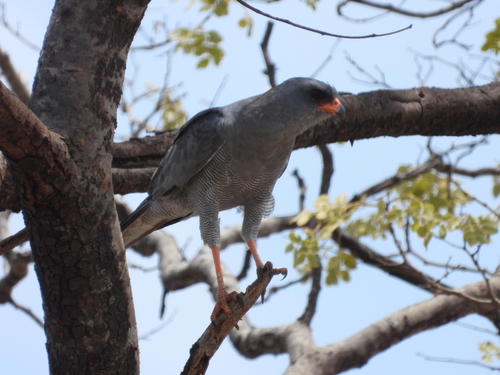
ウタオオタカ (Melierax metabates) ウタオオタカ
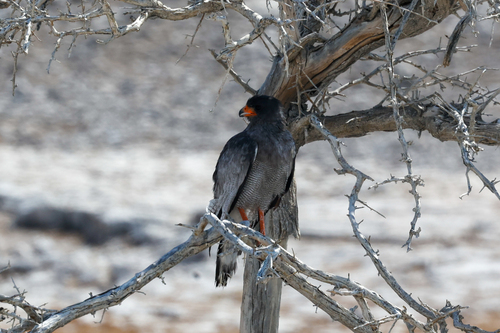
コシジロウタオオタカ (Melierax canorus) コシジロウタオオタカ

メディア

読み込み中…

要点

未熟のウタオオタカとコシジロウタオオタカは、飛行中の翼の下と下部の色合いで最も確実に区別されます:幼鳥のコシジロウタオオタカは赤褐色の下部と白い尾羽を示し、幼鳥のウタオオタカは全体的に茶色がかり、よりタカのようで、赤褐色の色合いがありません。成鳥は灰色の色合いと尾羽および二次羽の白の広がりで異なり、コシジロウはより淡い色合いで白い尾羽と淡い二次羽を示し、ウタオオは上面がより暗い灰色で、明確な白い尾羽がありません。構造と裸の部分の色は似ていますが、コシジロウはわずかに大きく、開けた乾燥した生息地でポールに止まっているのが見られる可能性が高いです。特に未熟な鳥において、尾羽の色、下部の色合い、飛行羽のコントラストに注目して、最も信頼できるフィールドでの区別を行ってください。

識別のコツ

  1. 幼鳥/未熟の下部: 幼鳥のコシジロウタオオタカは赤褐色の下部と白い尾羽を示し、幼鳥のウタオタオタカは全体的に茶色がかり、赤褐色の色合いがなく、白い尾羽がありません。これは飛行中の未熟な個体を区別するための最も信頼できる特徴です。
  2. 尾羽の色(すべての年齢): コシジロウは成鳥と未熟の両方で明確な白い尾羽を示し、ウタオは白い尾羽がなく、上面は均一に暗い灰色に見えます。
  3. 成鳥の上面の色合い: 成鳥のコシジロウは特に頭部と上胸部で明らかに淡い灰色で、ウタオは全体的により深く暗い灰色です。
  4. 飛行羽のコントラスト(成鳥): 飛行中、成鳥のコシジロウは非常に淡い(ほぼ白い)二次羽が黒い一次羽と灰色の前羽と対照的です。ウタオの上翼はより均一に暗く、黒い一次羽はありますが、目立つ淡いパネルはありません。
  5. 尾羽の模様: 両者は黒と白の縞模様がありますが、コシジロウの中央の尾羽は白で先端が黒く、外側の羽は灰色と白の縞模様があります。ウタオの尾羽は黒と白の縞模様が広く、同じコントラストはありません。
  6. 下部の縞模様(成鳥): 両者は細かい縞模様の下部を持っていますが、コシジロウの下部は暗い灰色と白の縞模様で、ウタオの下部は白で細かい黒の縞模様があります(灰色の胸部を除く)。
  7. 裸の部分の色: 両者はオレンジ赤の顔面と長い脚を持っていますが、コシジロウは顔の皮膚が赤く、くちばしの基部が赤で先端が暗い灰色です。これらは微妙で、遠くからは見えないことが多いです。
  8. 目の色(未熟): 未熟のコシジロウは淡い黄色の目を持ち、成鳥のコシジロウは暗い茶色の目を持っています。ウタオの目の色はメモに記載されていません。
  9. サイズと構造: コシジロウはわずかに大きく、がっしりしていますが、これは微妙でフィールドでは常に信頼できるわけではありません。両者は長い脚と直立した姿勢を持っています。
  10. 止まり方: コシジロウは開けた国の道路脇のポールに止まっているのがよく見られますが、ウタオはそのような露出した乾燥した環境で見られる可能性は低いです。
  11. 生息地の文脈: 南アフリカでは、特に乾燥した開けた半砂漠ではコシジロウが期待されます。南アフリカの外では、より森林の多いまたは多様な生息地ではウタオがより可能性が高いです。
  12. 鳴き声: コシジロウの鳴き声のみが記載されています(メロディックな口笛);聞こえた場合、これはコシジロウを支持しますが、鳴き声がないことは役に立ちません。
  13. タカのような外見(幼鳥): 幼鳥のウタオはタカ(Buteo)のように見えることがありますが、尾が長く、翼が広いです。コシジロウの幼鳥は下部がより淡く、白い尾羽を持っています。
  14. 巣の場所: コシジロウは木だけでなくポールやパイロンにも巣を作ることがありますが、ウタオは木の中にのみ巣を作ります。
  15. 群れの構造: 巣で成鳥のトリオを観察した場合(稀)、これはコシジロウを示唆します。なぜなら、この種には多配偶制が記録されているからです。

大きさ

コシジロウタオオタカは平均してわずかに重く(810g対758.5gのウタオ)、全体的に大きいと説明されています。両者は中型の長脚のタカで、直立した姿勢を持っています。違いは微妙でフィールドでは常に明らかではありませんが、コシジロウは少しがっしりしていて、特に止まっているときに翼が長く見えることがあります。性別は両者で似ていますが、雌のウタオタカは雄よりも重いことがあります。

羽色

行動

両種は止まり木から獲物を狙い、急降下しますが、コシジロウタオオタカは特に道路脇のポールや開けた地形で目立つことで知られています。ウタオタオタカは哺乳類や人を追いかけて、彼らの動きによって動かされた獲物を捕まえることがあります。両者はテリトリーを持つ巣作りを行い、木に枝の巣を作りますが、コシジロウはポールやパイロンも使用することがあります。社会構造は異なることがあります:コシジロウは特に獲物が豊富な地域で多配偶制のトリオを形成することがありますが、ウタオは通常一夫一婦制です。

生息環境

コシジロウタオオタカは南アフリカの乾燥した開けた半砂漠地域に生息し、年間降水量が75 cm未満で、非常に開けた国でよく見られ、しばしば道路脇のポールにいます。ウタオタオタカはサハラ以南のアフリカと南アラビアに広い範囲を持ち、サバンナ、森林、より多様な生息地を好み、乾燥した開けた国にあまり依存しません。真の半砂漠でのウタオタカや南アフリカのポールに止まっているのを見た場合、コシジロウの可能性がはるかに高いです。

声

コシジロウタオオタカの鳴き声のみがメモに記載されています:メロディックで口笛のような「kleeu-kleeu-kleeu-ku-ku-ku」で、特に繁殖期に樹上の止まり木から発せられます。ウタオの鳴き声の違いはこれらのメモでは十分にカバーされていないため、声はここでの区別の主要なフィールドマークではありません。

より良い説明を送る

比較と同じ項目を使ってください。文章はすぐに公開されます。

Immature Dark and Pale Chanting-Goshawks are most reliably separated in flight by their underwing and underpart coloration: juvenile Pale Chanting-Goshawks show rufous underparts and a white rump, while juvenile Dark Chanting-Goshawks are browner overall, more buzzard-like, and lack the rufous tones. Adults differ in the shade of grey and the extent of white on the rump and secondaries, with Pale being paler and showing a white rump and pale secondaries, while Dark is darker grey above and lacks a distinct white rump. Structure and bare part color are similar, but Pale is slightly larger and more likely to be seen in open, arid habitats perched on poles. Focus on rump color, underpart tone, and flight feather contrast for the most reliable field separation, especially in immature birds.

  1. Juvenile/immature underparts: Juvenile Pale Chanting-Goshawk shows rufous underparts and a white rump, while juvenile Dark Chanting-Goshawk is browner overall, lacks rufous tones, and has no white rump. This is the single most reliable mark for immatures in flight.
  2. Rump color (all ages): Pale shows a distinct white rump in both adults and immatures; Dark lacks a white rump, appearing uniformly dark grey above.
  3. Adult upperpart shade: Adult Pale is noticeably paler grey, especially on the head and upper breast, while Dark is a deeper, darker grey overall.
  4. Flight feather contrast (adults): In flight, adult Pale has very pale (almost white) secondaries contrasting with black primaries and grey forewings; Dark's upperwing is more uniformly dark, with black primaries but no striking pale panel.
  5. Tail pattern: Both have black and white barring, but Pale's central tail feathers are black tipped with white, and outer feathers are barred grey and white; Dark's tail is broadly barred black and white but lacks the same contrast.
  6. Underpart barring (adults): Both have finely barred underparts, but Pale's are barred dark grey and white, while Dark's are white with fine black barring (except for the grey breast).
  7. Bare part color: Both have orange-red cere and long legs, but Pale also has red facial skin and a bill that is red at the base and dark grey at the tip. These are subtle and often not visible at a distance.
  8. Eye color (immatures): Immature Pale has pale yellow eyes, while adult Pale has dark brown eyes. Eye color for Dark is not specified in the notes.
  9. Size and structure: Pale is slightly larger and bulkier, but this is subtle and not always reliable in the field. Both have long legs and upright postures.
  10. Perching behavior: Pale is often seen perched on roadside poles in open country; Dark is less likely to be seen in such exposed, arid settings.
  11. Habitat context: In southern Africa, especially in dry, open semi-desert, Pale is expected; in more wooded or varied habitats, especially outside southern Africa, Dark is more likely.
  12. Vocalization: Only Pale's call is described (a tuneful whistle); if heard, this supports Pale, but lack of vocalization is not helpful.
  13. Buzzard-like appearance (juveniles): Juvenile Dark can look like a buzzard (Buteo), but with a longer tail and broader wings; Pale juveniles are paler below and have a white rump.
  14. Nest site: Pale may nest on poles or pylons as well as trees; Dark nests only in trees.
  15. Group structure: If you observe a trio of adults at a nest (rare), this suggests Pale, as polyandry is recorded for this species.

Pale Chanting-Goshawk averages slightly heavier (810g vs 758.5g for Dark), and is described as larger overall. Both are medium-sized, long-legged hawks with upright postures. The difference is subtle and not always apparent in the field, but Pale may appear a bit bulkier and longer-winged, especially when perched. Sexes are similar in both, though female Dark Chanting-Goshawks can be heavier than males.

  • Juveniles/Immatures:
  • Pale Chanting-Goshawk: Brown upperparts with a striking white rump and black-barred tail; underparts are rufous, and the throat is white with dark streaks. In flight, the underwing and tail are white with black barring, and the secondaries are very pale (almost white from a distance).
  • Dark Chanting-Goshawk: Juveniles are browner overall, resembling a buzzard, but with a long-tailed, broad-winged silhouette. They lack the white rump and rufous underparts of Pale; instead, the underparts are white, finely barred with black, and the upperparts are dark grey-brown.
  • Adults:
  • Pale: Pale grey head and upper breast, white rump, finely barred dark grey and white underparts, black primaries, very pale (almost white) secondaries, and grey forewings. Tail pattern is black-tipped with white, outer feathers barred grey and white.
  • Dark: Uniformly darker grey head, breast, and upperparts; white underparts with fine black barring (except the breast, which is grey); tail broadly barred black and white, but no distinct white rump. Both have orange-red cere and legs, but Pale's facial skin is also red.

Both species hunt from perches and swoop down on prey, but Pale Chanting-Goshawk is especially noted for being conspicuous on roadside poles and in open terrain. Dark Chanting-Goshawk may follow mammals or people to catch prey disturbed by their movement. Both are territorial nesters, building stick nests in trees, but Pale may also use poles or pylons. Social structure can differ: Pale sometimes forms polyandrous trios, especially in prey-rich areas, while Dark is typically monogamous.

Pale Chanting-Goshawk is a resident of southern Africa's dry, open semi-desert regions with less than 75 cm annual rainfall, and is commonly seen in very open country, often on roadside poles. Dark Chanting-Goshawk has a broader range across sub-Saharan Africa and southern Arabia, favoring savanna, woodland, and more varied habitats, and is less tied to arid open country. If you see a chanting-goshawk in true semi-desert or perched on a pole in southern Africa, Pale is much more likely.

Only Pale Chanting-Goshawk's call is described in the notes: a tuneful, whistling 'kleeu-kleeu-kleeu-ku-ku-ku' given from a treetop perch, especially during the breeding season. Vocal differences are not well covered for Dark in these notes, so voice is not a primary field mark for separation here.

変更を破棄しますか?

保存していない編集があります。今離れると失われます。

ウタオオタカ · コシジロウタオオタカ · 苦手な鳥