
Motmot

オナガムシクイ 対 マミジロキクイタダキ

Curruca undata 対 Regulus ignicapilla

オナガムシクイとマミジロキクイタダキのクイズ
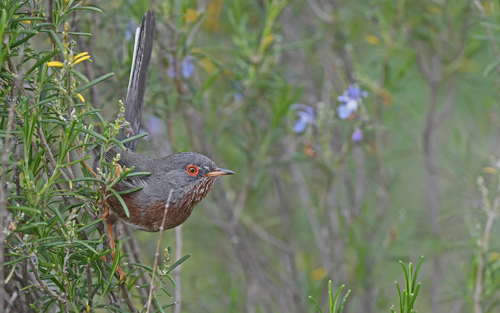
オナガムシクイ (Curruca undata) オナガムシクイ
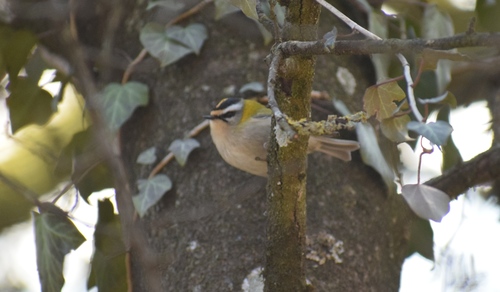
マミジロキクイタダキ (Regulus ignicapilla) マミジロキクイタダキ

メディア

読み込み中…

要点

ダートフォードムシクイとマミジロキクイタダキを分ける最も信頼できる方法は、全体的な構造と頭部の模様によるものです:ダートフォードムシクイは、 muted colors と平坦な赤みを帯びた顔を持つ細長い尾を持つスリムなムシクイであり、マミジロキクイタダキは、際立った頭部の模様を持つ小さくてふっくらした鳥です—大胆な白い眉斑、黒い目のストライプ、明るい黄色またはオレンジの冠のストライプ。幼鳥のマミジロキクイタダキは色付きの冠が欠けていることがありますが、強い顔の模様は示しています。一方、ダートフォードムシクイの幼鳥は、 duller females に似ており、決して大胆な顔を持ちません。飛んでいる時や止まっている時、ダートフォードムシクイの長い尾と細いくちばしは明らかで、マミジロキクイタダキの短い尾、小さなくちばし、コンパクトな体型と対照的です。両種は西ヨーロッパの類似した地域に生息することがありますが、好まれる生息地や行動はかなり異なります。

識別のコツ

  1. 頭部の模様は最も早いチェックです: マミジロキクイタダキは常に大胆な白い眉斑、黒い目のストライプ、(成鳥では)明るい黄色またはオレンジの冠のストライプを示します;ダートフォードムシクイは強い模様がなく、平坦な赤みを帯びた顔を持ち、ただ赤い目だけです。
  2. 幼鳥のマミジロキクイタダキは強い顔を示します: 幼いマミジロキクイタダキでも、 dull ですが明確な眉斑と目のストライプを持っていますが、ダートフォードムシクイの幼鳥は平坦な顔を持ち、 duller females に似ています。
  3. 翼帯: マミジロキクイタダキは常に折りたたまれた翼に2つの目立つ白い翼帯を示します;ダートフォードムシクイは全ての年齢で翼帯が全くありません。
  4. 尾の長さと形: ダートフォードムシクイは非常に長く細い尾を持ち、しばしば持ち上げられたり振られたりします;マミジロキクイタダキは非常に短い尾を持ち、丸い外観を加えます。
  5. くちばしの形: ダートフォードムシクイは、低木の中で昆虫を採取するために適した長く細い尖ったくちばしを持っています;マミジロキクイタダキは非常に小さく、細く、尖ったくちばしを持ち、相対的にかなり短いです。
  6. 体の構造: ダートフォードムシクイはスリムで細長く、長い尾と狭い体を持っています;マミジロキクイタダキは非常に小さく、ふっくらしていて、コンパクトです。
  7. 上面の色: ダートフォードムシクイは灰褐色または褐色がかった灰色で(オスは灰色がかり、メスは褐色がかり);マミジロキクイタダキは明るいオリーブグリーンで、青銅色の肩の斑点があります。
  8. 下面: ダートフォードムシクイは鈍い赤褐色で、汚れた白い腹部の斑点があります;マミジロキクイタダキは下面が白っぽく、胸と側面に褐色がかった灰色の洗いがかかっています。
  9. 喉の模様: ダートフォードムシクイは白い斑点のある赤い喉を持っています(オスではより明らかです);マミジロキクイタダキの喉は平坦な白っぽい色で、顔の模様に溶け込んでいます。
  10. 目の色: ダートフォードムシクイは赤い目を持っています;マミジロキクイタダキは暗い目を持っていますが、大胆な顔の模様が支配的です。
  11. 止まっている時の体型: ダートフォードムシクイはしばしば低木の上に直立して止まり、尾を持ち上げます;マミジロキクイタダキは通常、葉の中を素早く動き回り、しばしば高い位置で、水平な姿勢を持っています。
  12. 飛行スタイル: ダートフォードムシクイは低木の上を低く直接飛びます;マミジロキクイタダキは弱く、羽音を立てて、ひらひらとした飛行をし、しばしば素早いターンや短いホバリングを行います。
  13. 生息地の文脈: ダートフォードムシクイはほぼ常に開けたヒース、ゴース、または低木の中にいます;マミジロキクイタダキは森林、特に針葉樹の中におり、開けた低木の中にはめったに見られません。
  14. 性差: オスのマミジロキクイタダキはオレンジの冠のストライプを持ち、メスは黄色です;ダートフォードムシクイの性別は似ており、メスは鈍く、淡いです。
  15. 季節的な混乱: 両種はその範囲内で常駐または部分的に移動することがありますが、マミジロキクイタダキは南部地域で冬に見られる可能性が高く、ダートフォードムシクイは通常、コア範囲内で年間を通じて常駐しています。

大きさ

ダートフォードムシクイはマミジロキクイタダキよりも明らかに大きく、長いです:全長約13 cm(5.1 in)[wikipedia]で、マミジロキクイタダキはわずか9 cm(3.5 in)です [wikipedia]。ダートフォードムシクイは相対的に長い尾と細長い体を持っています。マミジロキクイタダキは非常に小さく、ふっくらしていて、丸い体を持ち、短い尾と小さなくちばしがあります。手に持ったり直接比較したりすると、ダートフォードムシクイはマミジロキクイタダキのほぼ2倍の重さになります(ダートフォードムシクイ:ここでは指定されていませんが、マミジロキクイタダキ:4–7 g [wikipedia])。

羽色

行動

ダートフォードムシクイは通常、低木や低い植生の上に直立して止まり、しばしば長い尾を振りながら、落ち着きのない、隠れるような動きで移動します。ヒース地や茂みの上を低く飛んでいるのが見られることがあります。マミジロキクイタダキははるかに活発で落ち着きがなく、通常、枝や葉の間を素早く跳ね回り、しばしば高い木の上で、水平な体の姿勢を持っています。その飛行は弱く、羽音を立てて、素早く回避するターンを伴います。マミジロキクイタダキは採餌中に短時間ホバリングすることがよくありますが、これはダートフォードムシクイでは見られません。

生息環境

ダートフォードムシクイは乾燥した開けたヒース地、ゴース、そして低木の多い地域に生息しており、特に西ヨーロッパや南ヨーロッパで見られます。低く茂った植生を好み、密な森林ではめったに見られません。一方、マミジロキクイタダキは、成熟した針葉樹林や混合林など、広範囲の森林生息地で繁殖し、しばしば高い木の上で見られます。両種は重複する地域に生息することがありますが、生息地の好みはかなり異なります:ダートフォードムシクイは開けた低木の風景の鳥であり、マミジロキクイタダキは森林の樹冠の鳥です。

より良い説明を送る

比較と同じ項目を使ってください。文章はすぐに公開されます。

The most reliable way to separate Dartford Warbler from Common Firecrest is by overall structure and head pattern: Dartford Warbler is a slim, long-tailed warbler with muted colors and a plain, reddish face, while Firecrest is a tiny, plump bird with a striking head pattern—bold white supercilium, black eye-stripe, and a bright yellow or orange crown stripe. Juvenile Firecrests may lack the colored crown but still show a strong face pattern, while Dartford Warbler juveniles resemble duller females and never have a bold face. In flight or perched, the Dartford Warbler’s long tail and thin bill are obvious, contrasting with the Firecrest’s short tail, tiny bill, and compact jizz. Both species can occur in similar regions of western Europe, but their preferred habitats and behaviors are quite different.

  1. Head pattern is the fastest check: Firecrest always shows a bold white supercilium, black eye-stripe, and (in adults) a bright yellow or orange crown stripe; Dartford Warbler has a plain, reddish face with no strong pattern, only a red eye.
  2. Juvenile Firecrest still shows a strong face: Even young Firecrests have a dull but clear supercilium and eye-stripe, while Dartford Warbler juveniles are plain-faced and resemble duller females.
  3. Wingbars: Firecrest always shows two prominent white wingbars on the folded wing; Dartford Warbler lacks wingbars entirely at all ages.
  4. Tail length and shape: Dartford Warbler has a very long, thin tail often held cocked or flicked; Firecrest has a very short tail, adding to its round appearance.
  5. Bill shape: Dartford Warbler has a long, thin, pointed bill suited for insect gleaning in shrubs; Firecrest has a tiny, fine, pointed bill, proportionally much shorter.
  6. Body structure: Dartford Warbler is slim and elongated, with a long tail and narrow body; Firecrest is extremely small, plump, and compact.
  7. Upperpart color: Dartford Warbler is grey-brown or brownish-grey above (males greyer, females browner); Firecrest is bright olive-green with a bronze shoulder patch.
  8. Underparts: Dartford Warbler is dull reddish-brown below with a dirty white belly patch; Firecrest is whitish below, with a brownish-grey wash on breast and flanks.
  9. Throat markings: Dartford Warbler has a reddish throat with white speckles (more obvious in males); Firecrest’s throat is plain whitish, blending into the face pattern.
  10. Eye color: Dartford Warbler has a red eye; Firecrest has a dark eye, but the bold face pattern dominates.
  11. Perched jizz: Dartford Warbler often perches upright on top of bushes, tail cocked; Firecrest is usually seen moving rapidly in foliage, often high up, with a horizontal posture.
  12. Flight style: Dartford Warbler flies low and direct over shrubs; Firecrest has a weak, whirring, fluttery flight, often with quick turns and short hovers.
  13. Habitat context: Dartford Warbler is almost always in open heath, gorse, or scrub; Firecrest is in woodland, especially conifers, and rarely in open scrub.
  14. Sex differences: Male Firecrest has an orange crown stripe, female yellow; Dartford Warbler sexes are similar, females duller and paler.
  15. Seasonal confusion: Both species are resident or only partially migratory in their ranges, but Firecrest is more likely to be seen in winter in southern areas, while Dartford Warbler is usually resident year-round in its core range.

Dartford Warbler is noticeably larger and longer than Firecrest: it measures about 13 cm (5.1 in) in length [wikipedia], while Firecrest is only 9 cm (3.5 in) [wikipedia]. Dartford Warbler has a proportionally much longer tail and a slim, elongated body. Firecrest is extremely small, plump, and round-bodied, with a short tail and tiny bill. In the hand or with a direct comparison, Dartford Warbler is almost twice as heavy as Firecrest (Dartford Warbler: not specified here, but Firecrest: 4–7 g [wikipedia]).

  • Juvenile/First-winter: Juvenile Firecrests lack the colored crown but still show a dull version of the strong head pattern (white supercilium, black eye-stripe), while Dartford Warbler juveniles resemble adult females—plain-faced, with paler underparts and browner-grey above, lacking any bold facial markings. No distinctive upperwing pattern is described for either species at this age, but Firecrest always shows two white wingbars.
  • Adult male Dartford Warbler: Grey-brown upperparts, long thin tail, dull reddish-brown below with a dirty white belly patch, reddish throat with white speckles, and a red eye. The face is plain and muted, blending into the body color.
  • Adult female Dartford Warbler: Similar to male but paler below, browner-grey above, and less distinct throat spotting. Juveniles are similar to females.
  • Adult Firecrest: Bright olive-green upperparts with a bronze shoulder patch, two bold white wingbars, whitish underparts, and a very striking head pattern: black eye-stripe, long white supercilium, and a crest (bright yellow in females, mainly orange in males). The face is always strongly marked, unlike Dartford Warbler. Juveniles have a duller version of this pattern, but still show the supercilium and eye-stripe.

Dartford Warbler typically perches upright on top of shrubs or low vegetation, often flicking its long tail and moving with a restless, skulking manner. It may be seen flitting low over heathland or bushy areas. Firecrest is much more active and restless, usually hopping rapidly among branches and foliage, often high in trees, with a horizontal body posture. Its flight is weak and whirring, with quick, evasive turns. Firecrest often hovers briefly while foraging, a behavior not shown by Dartford Warbler.

Dartford Warbler is found in dry, open heathland, gorse, and scrubby areas, especially in western and southern Europe. It prefers low, bushy vegetation and is rarely seen in dense woodland. Firecrest, by contrast, breeds in a wide range of woodland habitats, especially mature coniferous and mixed forests, and is often found high in trees. While both species can occur in overlapping regions, their habitat preferences are quite distinct: Dartford Warbler is a bird of open, shrubby landscapes; Firecrest is a bird of woodland canopy.

変更を破棄しますか?

保存していない編集があります。今離れると失われます。

オナガムシクイ · マミジロキクイタダキ · 苦手な鳥